
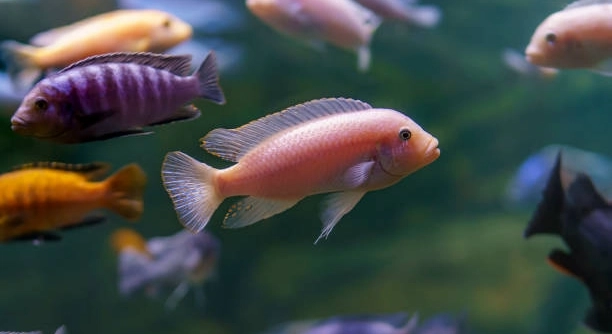
Caring for cichlids can be rewarding, especially when watching them breed. Eggs are fragile and require attention, as knowing their condition early helps prevent potential loss and ensures the health of both the fry and the parents.
Cichlid eggs can be identified as dead through visual and tactile signs. Common indicators include discoloration, fungus growth, lack of transparency, and absence of development. Prompt removal of non-viable eggs prevents contamination and supports overall tank health.
Recognizing these signs early allows hobbyists to maintain a healthy environment and increase the survival chances of their cichlid offspring.
Identifying Discolored Eggs
When cichlid eggs turn unusual colors, it is often a clear signal that something is wrong. Healthy eggs are usually translucent with a slight golden or beige tint. If you notice white, gray, or opaque spots, these eggs are likely dead. Discoloration often occurs within the first few days after laying and can spread fungus or bacteria to surrounding eggs. Removing these eggs promptly is important to protect the healthy ones. I usually check the clutch daily, gently examining the eggs with a small, soft tool or even a clean finger. Observing changes in color early allows me to act quickly, reducing stress on the parents and maintaining water quality. Keeping the tank clean and stable also minimizes the risk of egg mortality. Over time, I’ve learned that early intervention can save a significant portion of the clutch.
Discolored eggs should be removed immediately to prevent infection and maintain a safe environment for developing embryos.
Regular observation and timely removal of unhealthy eggs significantly improve survival rates, ensuring the parents focus on caring for the viable eggs. Careful handling and maintaining proper water conditions are key to fostering healthy fry growth in the tank.
Fungus on Cichlid Eggs
Fungus appears as a white, cotton-like growth on the surface of eggs and is usually fatal. Once fungus develops, it spreads quickly, often affecting nearby healthy eggs. I always remove affected eggs immediately to prevent contamination. Fungus typically appears in tanks with slightly poor water quality or if the eggs were damaged during laying. Using a gentle siphon or soft tweezers helps remove infected eggs without disturbing the clutch. Keeping the water clean, maintaining stable temperatures, and avoiding overfeeding the parents reduces the risk. I’ve noticed that eggs in heavily planted areas or with good water flow are less likely to develop fungus. Monitoring eggs daily and removing any showing early signs is the most effective strategy. Over time, this practice has saved many clutches that might have been lost otherwise. Regular maintenance and observation are essential to prevent fungal outbreaks.
Fungus can quickly ruin an entire clutch if not addressed promptly.
Preventing fungal infections involves careful monitoring, proper water management, and removing affected eggs immediately. Maintaining a consistent environment reduces stress on the parents and ensures the healthiest possible start for the fry.
Eggs That Fail to Develop
Eggs that remain unchanged in size or opacity after several days are likely non-viable. Healthy eggs should show gradual development, including visible eyes or movement. I mark these eggs for removal to protect the rest of the clutch.
Non-developing eggs often result from fertilization issues or stress during laying. I noticed that sometimes even a slight disturbance in the tank can affect early development. Keeping parents calm and water parameters stable reduces the number of non-developing eggs. Removing stagnant eggs prevents bacterial growth and improves oxygen availability for healthy embryos. Over the years, I’ve learned that checking daily is crucial because signs of failed development can appear quickly, especially in species that produce many eggs at once.
Handling eggs gently is essential, as rough removal can damage surrounding viable eggs. Using soft tools or fingers helps me carefully isolate non-developing eggs without affecting the rest of the clutch. This approach maintains overall tank health while maximizing survival rates.
Eggs That Turn Cloudy
Cloudy eggs usually indicate they are dead or infected. I remove them immediately to avoid spreading bacteria.
Cloudiness is a sign the yolk has started to break down. In my experience, this often happens within the first few days after laying. Maintaining clean water and stable temperatures minimizes the occurrence. Cloudy eggs can release harmful substances, affecting other developing embryos if left in the tank. I use soft tweezers to extract them carefully, preventing contamination of nearby healthy eggs. Daily observation allows me to catch cloudiness early, ensuring the rest of the clutch remains protected.
Preventing cloudy eggs requires consistent water maintenance, avoiding sudden changes, and gently handling the clutch. I found that separating aggressive parents during egg care also helps, as physical disturbance can cause eggs to become cloudy faster. Regular inspection and careful removal are the most effective steps to maintain a healthy breeding environment.
Eggs That Are Shrinking
Shrinking eggs often indicate they are no longer viable. I notice the edges collapsing or the yolk appearing smaller. Removing these eggs prevents them from affecting healthy ones nearby.
Shrunken eggs can result from dehydration or poor fertilization. I usually check water conditions and ensure parents are not overly stressed.
Eggs That Float
Floating eggs are generally dead or unfertilized. They rise to the surface because the yolk breaks down and gases accumulate inside. I remove them immediately to maintain water quality and protect developing embryos.
Eggs With Unusual Smell
A foul or sour odor from eggs signals decay. I remove any smelly eggs immediately to prevent contamination and bacterial growth in the tank. Proper filtration and regular water changes help minimize this risk.
Eggs That Are Sticky
Some eggs become unusually sticky and clump together. This can lead to fungal growth or suffocation of embryos. I separate them carefully to reduce risk and maintain healthy development for the rest of the clutch.
FAQ
How can I tell if my cichlid eggs are dead?
Dead cichlid eggs usually show clear signs: discoloration, cloudiness, shrinkage, or fungus growth. They may float or emit a foul smell. I check eggs daily, gently observing any changes in color, size, or transparency to separate viable from non-viable eggs quickly. Removing dead eggs protects the rest of the clutch and maintains overall water quality.
Why do some eggs turn white or opaque?
White or opaque eggs are almost always non-viable. This discoloration occurs when the yolk breaks down or fungal infection sets in. I noticed that even minor stress to the parents or slight water fluctuations can trigger this change, so keeping conditions stable is essential for healthy eggs.
What does fungus on eggs look like?
Fungus appears as a white, cotton-like growth covering the egg surface. It spreads quickly and can infect nearby healthy eggs. I remove any affected eggs immediately and ensure proper water flow, filtration, and gentle handling to reduce fungal outbreaks in the tank.
Can eggs fail to develop without turning white?
Yes. Some eggs remain clear but show no signs of growth, like eye spots or internal development. I track their progress daily and mark stagnant eggs for removal, preventing bacterial growth and giving healthy embryos more space and oxygen.
Why do some eggs float?
Floating eggs are usually dead or unfertilized. Gas accumulation or breakdown of the yolk causes them to rise. I remove floating eggs promptly to avoid contamination and maintain a healthy environment for the remaining clutch.
How do I handle sticky eggs?
Sticky eggs clump together, increasing the risk of fungus and suffocation. I separate them carefully using soft tools or fingers, making sure not to disturb the viable eggs. This helps maintain proper oxygen circulation and reduces the risk of infection.
What should I do if eggs smell bad?
A sour or rotten smell indicates decay. I remove smelly eggs immediately and perform a partial water change if needed. Proper filtration and consistent water conditions help prevent egg decay and protect the developing fry.
How often should I check my eggs?
Daily checks are essential. I inspect eggs at least once a day for changes in color, transparency, or structure. Early detection of dead or infected eggs increases the survival rate for the rest of the clutch.
Can water quality affect egg survival?
Yes. Poor water conditions often lead to fungus, cloudiness, or failed development. I maintain stable temperature, pH, and cleanliness. Minimal disturbance and consistent filtration help prevent stress-induced mortality. Healthy water significantly increases the chances of viable eggs reaching hatching.
Is it normal for some eggs to die in a clutch?
Yes. Even in ideal conditions, a portion of eggs may fail to develop. I focus on identifying and removing non-viable eggs early to protect the healthy ones. Observing the clutch closely ensures the maximum number of fry survive.
Can parents help save dying eggs?
Some cichlid species may clean or fan eggs, but they cannot revive already dead eggs. I intervene when needed, removing decayed eggs to reduce bacterial or fungal risks. Providing a stress-free environment allows parents to focus on caring for viable eggs effectively.
Are there signs that eggs might still be viable despite minor issues?
Occasionally, eggs show slight cloudiness or minor discoloration but still develop. I monitor these closely while keeping them separated if possible. Maintaining water quality and minimal disturbance often allows marginal eggs to survive and hatch.
How long does it take to know if eggs are dead?
Typically, signs appear within the first few days after laying. Discoloration, cloudiness, or lack of growth after 48–72 hours usually indicates the egg is non-viable. I act quickly to remove suspect eggs, preventing potential infection in the clutch.
What tools help in handling eggs safely?
Soft tweezers, small siphons, or even clean fingers work well. I handle eggs gently to avoid damaging healthy ones. Using minimal tools reduces stress on parents and embryos while allowing precise removal of dead or infected eggs.
Can environmental changes cause eggs to die?
Yes. Sudden temperature shifts, poor oxygen levels, or excessive disturbances can kill eggs. I maintain a stable environment, regulate water parameters, and minimize handling to ensure the highest survival rate for the clutch.
How do I prevent fungal growth on eggs?
Daily removal of dead eggs, proper water flow, and good filtration are essential. I also avoid overfeeding the parents, as excess waste can promote fungus. Gentle handling and regular observation prevent outbreaks and protect healthy embryos.
Is it normal for some eggs to be sticky or clumped?
Yes, some stickiness is natural, but excessive clumping can lead to fungal growth. I separate tightly clustered eggs carefully, ensuring adequate space and oxygen for development. This practice has significantly improved survival in my tanks.
Can I save eggs that look dead?
Once eggs show clear signs of decay, fungus, or cloudiness, they cannot be saved. I focus on removing these eggs promptly to protect viable ones, rather than attempting to revive them. Early intervention is key to maintaining a healthy clutch.
How long until eggs hatch if they are healthy?
Depending on the species, healthy eggs generally hatch within 3 to 7 days. I continue monitoring even after hatching to ensure fry survival. Maintaining clean water and proper parental care during this period is crucial for healthy fry development.
What are the most common causes of egg death?
Fertilization failure, stress, poor water conditions, fungus, and bacterial infection are the main causes. I found that careful observation, stable tank conditions, and gentle handling significantly reduce the chances of egg mortality. Proper care before and after laying is essential for success.
How do I know when to intervene versus letting parents handle eggs?
If eggs show early signs of death, fungus, or decay, I intervene immediately. Healthy eggs can be managed by the parents, especially if they are attentive. Observing their behavior helps me decide when intervention is necessary without causing unnecessary stress.
Caring for cichlid eggs requires careful observation and consistent attention. Healthy eggs show gradual development, clear coloration, and slight transparency, while dead eggs often display discoloration, cloudiness, or fungus. I have learned that daily checks are essential, as early identification of non-viable eggs significantly improves survival rates. Removing eggs that are dead or infected protects the rest of the clutch and prevents the spread of harmful bacteria or fungi. Maintaining stable water conditions, proper filtration, and minimal disturbances creates a safer environment for developing embryos. Over the years, I’ve noticed that even minor changes in temperature or water quality can impact egg viability, so consistency is key. Observing the eggs closely allows for timely intervention, reducing the likelihood of losing a significant portion of the clutch and increasing the chances of successful hatching.
Parents play an important role in egg care, but they cannot revive eggs that are already dead or infected. Some species may fan or clean their eggs, which can help maintain oxygen levels and reduce fungal growth. However, even attentive parents cannot prevent mortality caused by poor fertilization, sudden stress, or environmental instability. I make it a practice to intervene when signs of death appear, such as cloudiness, bad odor, or unusual floating. Handling eggs gently with soft tools or clean fingers ensures that the remaining healthy eggs are not disturbed. Over time, I have found that balancing parental care with careful intervention creates the best conditions for the clutch. Encouraging a calm environment, avoiding sudden movements near the tank, and keeping water parameters stable all contribute to healthier eggs and higher survival rates.
Consistency, observation, and gentle handling are the most effective strategies in ensuring the health of cichlid eggs. Daily monitoring allows early detection of problems, while proper removal of dead or infected eggs prevents the spread of disease and supports healthy development. Stable water conditions, minimal disturbances, and attention to the parents’ behavior help maintain a secure environment for the clutch. I have also found that patience and careful observation are key, as eggs can change rapidly during early development. By combining these practices, it is possible to maximize survival rates and support strong fry growth. Successful breeding requires a combination of environmental management, parental support, and prompt action when problems arise. These steps ensure that the eggs that survive can grow into healthy, thriving fry, providing a rewarding and manageable experience for anyone caring for cichlids.

Hello,
If you enjoy the content that we create, please consider saying a "Thank You!" by leaving a tip.
Every little bit helps us continue crafting quality advice that supports the health, happiness, and well-being of pets around the world, for pets of all shapes, sizes, and species.
We really appreciate the kindness and support that you show us!