
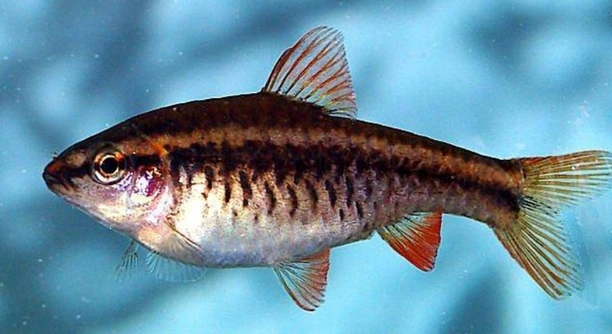
Cherry barbs are a popular fish species in freshwater aquariums. As they thrive in groups, observing their behavior can offer insights into their relationships. If you’re wondering how to tell when cherry barbs are pairing off, read on.
The primary way to identify if cherry barbs are pairing off is by observing their behavior. A pair will often swim close together, with one fish displaying more vibrant colors, while the other may follow or stay nearby.
Recognizing the signs of pairing can improve your understanding of your cherry barbs’ behavior. These small but telling actions reveal a lot about their social dynamics.
Close Swimming and Following Behavior
Cherry barbs are known to form pairs, and one of the easiest ways to spot this behavior is by watching their swimming patterns. When cherry barbs are ready to pair off, they will often stay close to each other. You might notice one fish trailing the other or both swimming in sync. This close swimming is a clear indicator that the two are bonding.
Once they start swimming together, their relationship will likely strengthen. This close interaction serves as the foundation of their bond. As the pair solidifies their connection, their movements become more synchronized, and they may become less likely to engage with the rest of the group.
In some cases, a male cherry barb will exhibit more vibrant colors to attract a potential mate. This is often a signal to the female that he is ready to pair off. By observing this behavior, you can better understand their social interactions and provide a better environment for them to thrive.
Coloration Changes in Males
As cherry barbs pair off, males often display brighter, more intense colors. This color change is not just for show but also a natural response to mating. These vivid hues signal to females that the male is healthy and ready to mate. It’s a clear indication that they are beginning to form a bond.
The vibrant coloration helps the male stand out, and it’s a signal of his vitality. Females are more likely to select males with intense coloring, as it is a sign of good genetics and overall health. For those observing their cherry barbs, noting these color changes can offer important clues about their pairing behavior.
Healthy male cherry barbs will also display this color change consistently, especially during courtship. The shift in coloration is influenced by environmental factors like lighting and water quality. Therefore, maintaining ideal conditions can encourage males to display their best colors and attract females.
Territorial Behavior and Space Sharing
As cherry barbs pair off, their behavior towards others in the tank may change. You may notice the pair becoming more territorial, especially around their preferred areas. They will start to share space and guard specific areas of the tank together, keeping other fish at a distance. This territorial nature is a sign of the bond forming between them.
When cherry barbs are pairing, they might also become more protective of their chosen space. You’ll see them actively chase other fish away or display behaviors like fin flaring to ward off any perceived threats. These actions can be subtle but are a significant sign that a pair is developing.
It’s essential to provide a tank with enough space for all fish, as territorial behavior can sometimes lead to aggression. However, this behavior is natural when pairing, and it is part of their way of establishing a safe area for courtship or potential egg laying. By creating a space that accommodates their needs, you’ll encourage healthy pairing dynamics.
Increased Social Interaction
As cherry barbs pair off, they start to engage in more frequent social interactions with each other. This increase in social behavior shows that the bond is becoming stronger. The pair will often spend more time together, sharing space, and following each other around the tank.
In this phase, you’ll observe that the interactions between the pair become more pronounced. They may chase each other playfully or show signs of affection through gentle nudging. This behavior is not just about reproduction but also about strengthening their bond. A paired couple is likely to be more engaged with one another than with the rest of the tank community.
Understanding the increase in social interaction helps you recognize when your cherry barbs are pairing off. This is an important stage in their relationship, signaling that they have chosen each other as mates. As they continue to engage with one another, their bond will deepen, and their behavior will reflect this connection.
Male Courtship Display
When a male cherry barb is ready to pair off, he will often perform a courtship display. This display usually involves the male swimming in front of the female and showcasing his bright colors. The more vibrant his colors are, the more likely he is to attract a mate.
During this courtship, the male may also chase the female or swim in tight circles around her. This behavior is a way of demonstrating his energy and health. By doing this, he tries to convince the female that he is a strong and suitable mate. The courtship display is a key part of their bonding process.
If the female is receptive, she will begin to mirror the male’s movements. At this point, they will start to swim together more closely, and you’ll see them developing a stronger connection. This courtship behavior can continue for several days before the pair truly pairs off.
Separation from the Group
Once cherry barbs begin pairing off, they tend to separate from the rest of the group. You will notice that the paired fish spend less time interacting with other fish and more time alone. This behavior signals that the bond between them is growing stronger.
The separation can be subtle at first, but as the pair becomes more bonded, it will become clearer. They may swim together away from the school or spend their time near plants or hiding spots in the tank. This isolation allows them to focus on each other and build a closer relationship.
It’s important to remember that while the fish may seem distant from the group, this behavior is natural. Cherry barbs are social creatures, but when they form a bond, their interactions become more intimate. Allowing them to have this space in the tank can support their pairing process.
Fins and Body Positioning
During pairing, cherry barbs will often adjust their body positioning and fin movements. The male may display his fins more prominently, especially when trying to attract the female’s attention. This is a subtle but important part of their courtship behavior.
When pairing off, you might also see the male swim in an upright position, with his fins spread wide. This is another sign that he is trying to impress the female. The female, in turn, may mimic the male’s body posture or move closer as part of the bonding process. This behavior shows the pair is starting to form a deeper connection.
Increased Aggression Towards Other Fish
When cherry barbs begin to pair off, you may notice an increase in territorial aggression. The pair will start to defend their space from other fish, chasing or displaying dominance to ensure their area remains undisturbed. This is normal as the pair begins to establish their territory.
The aggression is usually directed towards fish that are too close to their chosen area, and the pair will work together to keep other fish at a distance. While this behavior may seem harsh, it is part of how they protect their bond. Ensuring their territory remains safe is vital for their mating process.
Sharing Hiding Spots
A paired cherry barb will often choose a hiding spot in the tank where they can feel secure. They will seek out secluded areas among plants or decorations to stay hidden together. These spots offer both protection and privacy as the pair grows closer.
The bond between the pair is strengthened in these secluded areas. Here, they can escape the chaos of the tank and focus on each other without interference from other fish. Choosing these hiding spots is a natural instinct, ensuring the pair feels safe and connected during the pairing process.
FAQ
How can I tell if my cherry barbs are mating?
You can usually tell if your cherry barbs are mating by observing their behavior. When pairing off, male cherry barbs will display brighter colors and may engage in courtship rituals, such as swimming around the female, chasing her, or displaying their fins. The female, in turn, may follow the male or mirror his movements. Once they begin to swim closely together and spend more time away from the group, it’s a strong sign that they are mating.
Is it common for cherry barbs to form pairs?
Yes, it is quite common for cherry barbs to form pairs, especially when they feel comfortable in their environment. These fish are social and prefer living in groups, but when they find a mate, they will often pair off and separate from the rest of the group. This behavior is typical in their breeding process, and they are known to establish bonds with one particular partner.
Do cherry barbs need to be kept in pairs?
While cherry barbs do not need to be kept in pairs, they do thrive in schools. In the wild, they live in groups, and in an aquarium, it’s best to keep at least six or more to prevent stress and promote natural behaviors. However, if you notice a pair forming in your tank, it’s a good sign they are establishing a connection, which is part of their natural behavior. Keeping a school of them can still provide social stability, even if some pair off.
How do I know if my cherry barbs are ready to breed?
You can tell if your cherry barbs are ready to breed by observing their behavior and physical changes. Male cherry barbs often become more colorful and may swim actively around the female. Females may appear rounder as they carry eggs. Additionally, the pair will start spending more time together, swimming closely and even showing territorial behavior by protecting their chosen area. These signs indicate that they are likely ready to breed.
Can cherry barbs breed in a community tank?
Yes, cherry barbs can breed in a community tank as long as they feel safe and have the right conditions. To encourage breeding, ensure the tank is well-maintained with stable water parameters, including proper temperature, pH, and water hardness. Adding plants and hiding spots can also help, as these offer protection for the eggs once they are laid. However, it’s best to keep an eye on the tank, as other fish may eat the eggs if left unchecked.
What should I do if my cherry barbs lay eggs?
If your cherry barbs lay eggs, it’s important to ensure the eggs are kept safe from other fish that may eat them. You can either move the pair to a breeding tank or create hiding spaces where the eggs can be protected. If left in a community tank, some of the eggs may not survive, but others may hatch if they are hidden well. Ensure that the water conditions remain optimal to encourage healthy egg development.
How long does it take for cherry barb eggs to hatch?
Cherry barb eggs typically hatch within 3 to 4 days if the conditions are right. The water temperature plays a key role in this process—keeping it around 76–80°F (24–27°C) will help the eggs hatch quicker. After hatching, the fry will be small and will need to be carefully cared for to ensure they grow successfully. They will require infusoria or fine food until they are large enough to eat regular fish food.
Do male cherry barbs help care for the eggs or fry?
Male cherry barbs do not participate in caring for the eggs or fry. In most cases, once the eggs are laid, both the male and female may move away from them. While they may show some territorial behavior, they do not guard the eggs or help in their development. It’s primarily up to the environment and tank setup to ensure the eggs hatch and the fry survive.
Will my cherry barbs continue to pair off after breeding?
After breeding, cherry barbs may continue to pair off for a short period, but this bond may not last forever. While some pairs will stay together, especially if they are still in a safe environment, other pairs may drift apart once their primary mating goal has been achieved. It’s not uncommon for cherry barbs to form new pairs after a breeding cycle, especially in a community tank.
How can I encourage my cherry barbs to pair off?
To encourage cherry barbs to pair off, ensure they are in an environment that mimics their natural conditions. A well-maintained tank with plenty of plants and hiding spots is ideal. Keep the water conditions stable, and avoid overcrowding. If you provide a proper environment, the fish will naturally form pairs as they mature and start to breed. Adding a few more males or females can also help encourage natural pairing behavior, as it gives them the opportunity to choose compatible mates.
Final Thoughts
Cherry barbs are fascinating little fish, and observing their behavior can provide valuable insights into their social dynamics. When they begin to pair off, it’s a clear sign that they are comfortable in their environment and ready to form stronger bonds. The process of pairing involves several key behaviors, such as swimming closely, displaying vibrant colors, and even becoming more territorial. Understanding these behaviors will help you recognize when your cherry barbs are forming a pair and provide the best environment for them to thrive.
While cherry barbs do not require being kept in pairs, it’s natural for them to form bonds when they are ready to breed. Providing a space where they feel safe and secure can encourage this pairing process. It’s important to remember that even though pairing can lead to breeding, it’s not always guaranteed. Sometimes, the pair may form a bond without any intention of laying eggs. However, if you’re trying to breed them, observing their behavior and recognizing when they are ready will increase your chances of success.
Finally, it’s essential to ensure that the tank conditions are optimal for cherry barbs to pair off and breed. Stable water parameters, such as temperature, pH, and water hardness, will support their overall health and encourage natural behavior. Adding plants or other hiding spots can also create the perfect environment for them to feel secure. By understanding their needs and behaviors, you can enjoy watching your cherry barbs form bonds, providing a better experience for both you and your fish.

Hello,
If you enjoy the content that we create, please consider saying a "Thank You!" by leaving a tip.
Every little bit helps us continue crafting quality advice that supports the health, happiness, and well-being of pets around the world, for pets of all shapes, sizes, and species.
We really appreciate the kindness and support that you show us!