
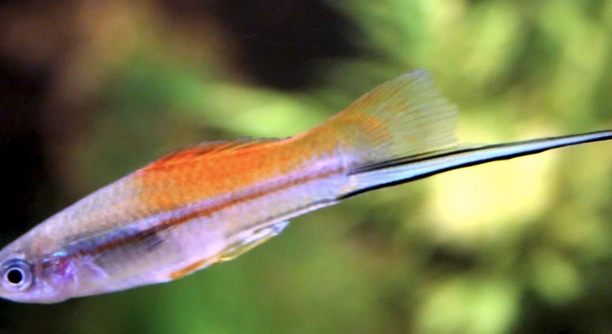
Swordtails are popular aquarium fish, known for their colorful fins and lively nature. If you’re a swordtail owner, it’s important to know how to tell when they’re content in their environment. Happy fish are healthy and active.
A swordtail’s happiness is reflected in its behavior and environment. Active swimming, bright colors, and a balanced social interaction with other fish are key indicators of a healthy and happy swordtail. Regular water changes and proper tank conditions also contribute.
Recognizing when your swordtail is happy is simple if you know what to look for. The following tips will help you understand their behavior better and ensure your swordtail thrives in its home.
Active Swimming and Playful Movements
One of the clearest signs that your swordtail is happy is its behavior. A healthy, content swordtail will swim actively and smoothly through the tank, rather than staying still or hiding. It’s common for them to dart around and explore their space. Swordtails enjoy moving through the water, especially when they feel secure and comfortable. You’ll notice they might swim in short bursts, racing through the tank or gliding in circles. This is a good sign that they are feeling energized and safe in their environment.
When they swim actively, it shows they are adjusting well to the water conditions. Healthy water quality, proper tank size, and a comfortable temperature all contribute to this behavior. Swordtails are social creatures, so they tend to interact with other fish, especially if they have companions in the tank. If you notice them swimming happily with their tank mates, it’s another sign that they are thriving.
If your swordtail is spending more time in the same spot, swimming in a slow or erratic pattern, it could indicate stress or discomfort. It’s essential to pay attention to how much they move around and interact with the tank environment.
Bright Colors and Healthy Appearance
Swordtails display vibrant colors when they’re content. A healthy swordtail will have bright, bold coloring, whether red, orange, or other shades. Faded colors may indicate stress or illness. Their fins should also be in good condition, not torn or ragged.
When swordtails are well taken care of, they glow with vitality. Their healthy colors make them stand out, showing they are comfortable in their tank. This visible health is important to watch for, especially after water changes or new additions to the tank. Changes in color can also occur as they mature or adjust to different conditions, so it’s a key indicator of their well-being. Keep an eye on their appearance regularly to spot any changes early.
Active Social Behavior
Swordtails are naturally social fish, so a happy one will actively interact with others in the tank. They tend to swim alongside other fish, sharing space without signs of aggression. If they’re swimming peacefully with tank mates, it’s a clear sign they’re feeling secure. Swordtails will also chase each other playfully or engage in courtship dances if they’re comfortable. They often like to be part of a small group rather than isolated.
If your swordtail is avoiding others or seems overly aggressive, this could be a sign that something is wrong. Stress, overcrowding, or poor water conditions can make swordtails act out of character. A swordtail that interacts positively with other fish is generally a sign of well-being. It’s essential to ensure your swordtail is not isolated, as they thrive when surrounded by other peaceful tank mates. Providing them with the right environment encourages a positive social life.
Tank size also plays a role in their social behavior. A cramped space can lead to stress, making them more likely to show signs of discomfort. Ensuring a well-sized, well-maintained tank with the right companions can help swordtails feel happier and more at ease.
Eating Regularly
A swordtail that is eating regularly and eagerly is generally a happy one. Swordtails are not particularly picky, and they’ll typically go after most types of food, whether it’s flakes, pellets, or live food. Their enthusiasm at feeding time is a good sign.
If your swordtail is refusing food or seems uninterested in eating, it could indicate stress, illness, or an unsuitable environment. Lack of appetite is one of the first signs that something might be wrong. Healthy swordtails will actively swim to the surface when feeding time arrives. They’ll take their time eating and explore the tank for food. It’s also important to monitor how much they are eating. Overfeeding can lead to poor water quality, while underfeeding could result in malnutrition.
Be mindful of their eating habits, as it’s a key indicator of their overall health and well-being. Healthy swordtails are usually good eaters, so any changes in their appetite should not be ignored.
Healthy Fin Movement
Happy swordtails often display fluid and graceful fin movements. Their fins should be held in a relaxed, natural position while swimming. If they’re actively moving and flicking their fins as they swim, it’s a sign of health. Damaged or stiff fins indicate something is wrong.
Swordtails typically keep their fins spread out and moving freely. If they appear clamped or folded, that could be a sign of stress, disease, or poor water quality. A swordtail that uses its fins well while swimming shows it’s comfortable in its environment. Healthy fin movement is a key part of their overall well-being.
Balanced Breathing
Swordtails should breathe steadily and at a consistent rate. Rapid or labored breathing could signal stress or water quality issues.
If your swordtail seems to be breathing heavily at the surface, there might be a problem with oxygen levels or tank conditions. Regular, calm breathing is a good sign of a healthy, happy fish. Keep an eye on their gills and how they’re breathing to monitor their comfort level.
Clean, Clear Eyes
Swordtails with clear and bright eyes are usually in good health. Cloudy or bulging eyes can indicate health problems or stress.
When swordtails are content, their eyes should be clear and bright. Any signs of dullness or swelling are causes for concern. Keeping an eye on their eyes can help you catch potential issues early and maintain their health.
FAQ
How can I tell if my swordtail is stressed?
If your swordtail is stressed, it may show signs like erratic swimming, hiding, or staying at the tank’s surface for long periods. You might also notice dull or faded colors and clamped fins. Stress can be caused by poor water quality, overcrowding, or incompatible tank mates. To address it, try adjusting tank conditions or ensuring the fish isn’t being harassed by other fish.
Why is my swordtail’s color fading?
A swordtail’s color can fade when it’s stressed, sick, or uncomfortable in its environment. Poor water conditions, inadequate lighting, or an imbalanced diet could also lead to dull colors. Ensure your swordtail is in a clean, stable tank with proper lighting. Providing a varied, healthy diet can help restore its brightness.
What causes a swordtail to stop eating?
A swordtail that stops eating could be experiencing stress, illness, or changes in water temperature. It could also be reacting to a change in the tank environment or food. If the fish is not eating for several days, check water parameters and look for any signs of disease. Reducing tank stressors might encourage it to eat again.
How often should I feed my swordtail?
Swordtails should be fed once or twice a day. Overfeeding can lead to water quality problems and health issues, while underfeeding can cause malnutrition. Give your swordtail enough food to consume within 2-3 minutes. If there is leftover food, remove it promptly to avoid it decomposing and affecting the tank’s water quality.
What type of water is best for swordtails?
Swordtails thrive in slightly alkaline water with a pH range of 7.0 to 8.0. Water temperature should be maintained between 72°F and 82°F (22°C to 28°C). Regular water changes are essential to maintain good water quality. Ensure your swordtail is kept in clean, well-filtered water to help it stay happy and healthy.
Can swordtails live alone?
Swordtails are social fish and generally do better when kept with other swordtails or peaceful tank mates. Keeping one alone can lead to stress and loneliness. If you only have one, make sure to provide plenty of hiding spots and distractions. However, they will thrive in groups of at least three or more.
Why is my swordtail staying at the surface?
If your swordtail stays at the surface, it could be a sign of low oxygen levels or water quality issues. Swordtails may seek the surface if the oxygen is low or if they are trying to escape poor water conditions. Check the water’s oxygen levels, temperature, and overall cleanliness. If the tank has poor aeration, consider adding an air pump or improving the filtration system.
What is the ideal tank size for swordtails?
A 20-gallon tank is ideal for a small group of swordtails. It provides enough space for them to swim and explore without feeling cramped. Larger tanks are better, especially if you plan to keep multiple fish. Providing ample space ensures they are comfortable and helps reduce stress and territorial behavior.
How do I prevent aggression between swordtails?
Swordtails can sometimes be aggressive, especially if there are too many males. To prevent aggression, maintain a proper male-to-female ratio (preferably one male for every two females). Providing plenty of hiding spots and territories will also help reduce conflicts. Make sure your tank is large enough to support your fish.
What should I do if my swordtail is showing signs of illness?
If your swordtail is showing signs of illness, such as clamped fins, faded colors, or lethargy, it’s important to isolate it to prevent the spread of disease. Check the water quality and consider treating the tank with medications. Monitor the fish’s behavior and appearance, and consult with an aquarium professional or vet if the condition doesn’t improve.
How can I breed swordtails?
Swordtail breeding is relatively easy. Keep males and females in a tank with appropriate water conditions. Males may display courting behavior, and females will eventually become pregnant. After 3-4 weeks, they will give birth to live fry. It’s important to have plenty of hiding places for the young fish to protect them from being eaten by adults. If you want to raise the fry, consider setting up a separate nursery tank.
Can swordtails live with other fish?
Swordtails are generally peaceful and can live with other non-aggressive fish. They do well in community tanks with other livebearers, peaceful tetras, or corydoras catfish. Avoid keeping them with aggressive or territorial fish, as swordtails might become stressed or injured. Always monitor interactions between different species to ensure compatibility.
How long do swordtails live?
Swordtails typically live for 3 to 5 years with proper care. Factors like water quality, diet, and overall tank conditions can affect their lifespan. Keeping their environment stable and providing a balanced diet will help your swordtail live a long, healthy life. Regular water changes and good tank maintenance are key to their well-being.
What is the best diet for a swordtail?
Swordtails are omnivores and need a balanced diet of both plant-based and protein-based foods. Offer a variety of high-quality flakes, pellets, and occasional live foods like brine shrimp or daphnia. Including vegetables like spinach or zucchini can also provide necessary nutrients. A varied diet helps them stay healthy and colorful.
Final Thoughts
Taking care of a swordtail involves paying attention to a few key aspects of its environment and behavior. These fish are relatively easy to care for, but understanding their needs can help ensure they stay healthy and happy. Regular water changes, proper tank size, and the right water conditions are essential to their well-being. They thrive in clean, well-maintained tanks, so keeping the water quality in check should be one of your top priorities. A stable and clean environment reduces stress and supports the natural behaviors that make swordtails such enjoyable fish to watch.
Social interaction is also important for swordtails. They are community fish, and they feel more comfortable in groups. A swordtail that is isolated or living with incompatible tank mates might become stressed. Maintaining a good balance of males and females helps prevent aggression and promotes a more relaxed atmosphere in the tank. Swordtails that are placed with peaceful companions, in a spacious environment, and under proper care will exhibit healthy social behaviors like active swimming, eating, and interacting with other fish. Keeping an eye on their behavior and making sure they have enough space to thrive are simple yet effective ways to keep them content.
By paying attention to their physical health and behaviors, you can spot any signs of distress early and address potential problems before they become serious. Whether it’s watching for healthy swimming patterns, ensuring they are eating properly, or keeping track of their colors and fin condition, these small observations help in knowing when your swordtail is happy or when it might need attention. Swordtails can live for years with proper care, so by focusing on their basic needs, you’ll enjoy many years of vibrant, active fish.

Hello,
If you enjoy the content that we create, please consider saying a "Thank You!" by leaving a tip.
Every little bit helps us continue crafting quality advice that supports the health, happiness, and well-being of pets around the world, for pets of all shapes, sizes, and species.
We really appreciate the kindness and support that you show us!