
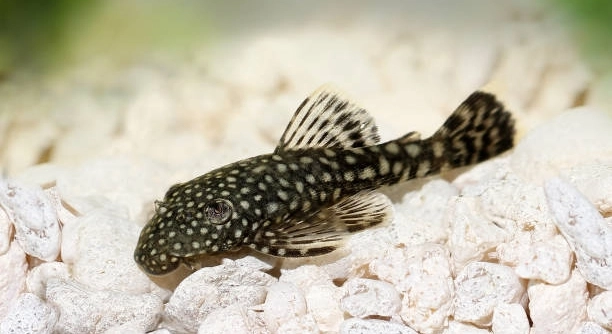
Many aquarium enthusiasts enjoy having plecos in their tanks. These fish are popular for their algae-eating habits and interesting appearances. However, figuring out whether a pleco is male or female can sometimes be tricky.
Determining whether a pleco is male or female typically involves observing physical traits like body shape, fin size, and behavior during breeding. Males often have larger, more extended fins, while females are usually rounder and bulkier to accommodate eggs.
Recognizing these differences can help you care for your pleco more effectively. Understanding their gender may even guide you when breeding or choosing tank mates. This article explains how to identify these traits and differentiate between the sexes.
Physical Differences in Size and Shape
One of the easiest ways to determine if your pleco is male or female is by looking at their size and body shape. Generally, females are bulkier and rounder, especially when they are carrying eggs. They have a more substantial belly to accommodate their reproductive organs. Males, on the other hand, tend to be slimmer and more elongated in shape. This difference is most noticeable when they are preparing to breed. Males may also have a more streamlined appearance, while females appear fuller.
The size difference can be quite noticeable, particularly when observing them in comparison. Females may also be less active than males, who tend to move around more often. In a breeding setting, females are more likely to stay near the nesting area, as they are ready to lay their eggs. This simple difference in body shape can be a good indicator of your pleco’s gender.
By paying close attention to their body shape, you can make an educated guess about your pleco’s sex. If you’re looking to breed, knowing whether your pleco is male or female helps in ensuring proper care and breeding conditions.
Fin Differences and Their Significance
Another important sign to observe is the pleco’s fins. Male plecos typically have larger, more extended pectoral fins. These fins are longer and may appear more noticeable when the fish is swimming. Females tend to have shorter, rounder fins. The difference may be subtle, but it can help differentiate the sexes.
Male plecos also have more pronounced fin growth when they reach sexual maturity. This is especially visible in species like the common pleco or bristlenose pleco. The growth of the fins is linked to their role in attracting females during the breeding season. When males are actively trying to attract a mate, they may fan their fins and display them more often.
This fin difference is not just a physical trait but also plays a role in their mating behavior. Males with more prominent fins might be more likely to impress potential mates. While this trait may take some time to notice, it’s a reliable indicator when trying to determine your pleco’s gender.
Behavior During Breeding Season
During the breeding season, plecos exhibit noticeable behavioral changes that can indicate their sex. Males become more active, often chasing females and performing displays to attract them. They may also clean and prepare nesting sites, showing off their territory to entice a female. Females, on the other hand, are typically less active and more focused on laying eggs when they’re ready.
Observing their behavior when breeding is the most accurate way to distinguish a male from a female. Male plecos often appear more territorial, showing aggressive behavior towards other males while attempting to court a female. They’ll actively protect the nesting area as well, making it a clear indicator of their gender.
Understanding these behavioral changes during breeding time helps in identifying their sex. The male’s energetic behavior is focused on attracting the female, while the female is more passive, waiting to lay eggs. The interaction between the two is a key sign of their biological roles.
Head Shape and Size
Another subtle but important difference is the shape of their head. Males tend to have a more triangular-shaped head with a prominent snout, especially in certain species like the bristlenose pleco. This feature is particularly visible in adult males. Females have a more rounded and less defined head, giving them a softer appearance.
The difference in head shape becomes more prominent as they mature. Male plecos often develop larger, thicker heads, which aids them in their role during mating rituals. The size and shape of the head can also help males in competition with other males during the breeding season. Female plecos usually don’t show these characteristics, as their body is more focused on carrying eggs.
Knowing these differences can be useful if you’re trying to determine the sex of your pleco when they’re not in breeding mode. By focusing on the shape and size of the head, you can make a more accurate identification. This feature is especially noticeable when comparing an older male and female.
Bristle Growth in Male Plecos
Male plecos, particularly bristlenose plecos, develop small bristles around their snout as they mature. These bristles are one of the most obvious features to look for when trying to determine the gender. Females, in contrast, do not grow these bristles, regardless of their age.
The presence of bristles is usually a sign of a male pleco, and they become more noticeable during breeding periods. These bristles help males attract females by increasing their appeal during the mating ritual. Bristles are often seen as a sign of maturity and indicate a male’s readiness to breed.
This characteristic can be a helpful and easy-to-spot way of identifying male plecos. Simply observing the bristles will allow you to tell if your pleco is male, especially in species where this feature is prominent.
Tail and Fin Shape
The tail and fin shape also varies slightly between male and female plecos. Males tend to have more elongated and sharper fins. These fins help them in swimming more efficiently when defending territory or attracting a mate. Females, on the other hand, have shorter and rounder fins.
This difference may not be as noticeable unless you’re closely observing your pleco, but it can be another helpful indicator when identifying gender. Pay attention to the size and shape of the tail and fins when examining your pleco’s physical traits. Males will often show a more sleek, streamlined look.
Behavior Outside of Breeding Season
While males show increased activity during breeding season, females are more laid-back throughout the year. Outside of breeding times, males may still display signs of territoriality. They will often spend time cleaning rocks or swimming actively around the tank. Females are generally more sedentary.
Females focus more on resting and eating, conserving energy until it’s time to lay eggs. The difference in energy levels can help you tell the sexes apart, especially when observing them over a longer period. This subtle behavior difference is one of the most consistent and reliable signs to identify gender.
FAQ
How can I tell if my pleco is male or female?
To identify whether your pleco is male or female, you can look for a few key differences. Males tend to have longer, more extended pectoral fins and a slimmer body shape, while females are bulkier and rounder, especially when carrying eggs. Males may also develop bristles around their snout, a trait not seen in females. Behavioral cues are also helpful, with males being more active, territorial, and displaying aggression during breeding. Females, however, are generally more passive.
Are plecos easier to sex when they are older?
Yes, as plecos mature, it becomes easier to determine their sex. Younger plecos may not show many of the physical differences that adults do. The development of bristles in males and the bulging body shape of females become more pronounced with age. As they grow, their size, behavior, and physical features become clearer, making it easier to tell them apart.
Do all plecos develop bristles?
No, not all plecos develop bristles. The bristle feature is most noticeable in species like the bristlenose pleco. Male bristlenose plecos grow bristles on their snout, which is a defining characteristic for identifying them. Other types of plecos, such as the common pleco, do not develop bristles. If you have a different species, other methods, like body shape or behavior, may be better indicators.
Can plecos change sex?
Plecos do not change sex in the way some fish species can. Once they reach sexual maturity, their sex remains the same. However, their physical traits may become more distinct as they mature. The bristle growth in males and the rounder body shape in females are features that become clearer with age.
Does the size of a pleco indicate its sex?
Size can be a helpful indicator, but it is not always conclusive. Generally, females tend to grow larger and bulkier, especially when they are carrying eggs. Males are often smaller and leaner. However, this can vary slightly depending on the species and individual pleco. The size difference is most apparent during breeding when females are preparing to lay eggs.
Do plecos need to breed to show their gender differences?
No, plecos do not need to breed for their gender differences to show. While breeding behavior can make the differences more obvious, many of the physical traits that distinguish males and females are present at other times as well. For example, males’ fins and bristles are visible even outside of the breeding season. Observing their body shape, size, and behavior can help you identify their sex.
Can the behavior of plecos change depending on their sex?
Yes, the behavior of plecos can change based on their sex, especially during the breeding season. Males are typically more active and territorial, often cleaning surfaces and protecting nesting areas. Females are usually less active and focus more on laying eggs when the time comes. Outside of breeding, males may still show more movement and aggression than females, who are generally more passive.
How can I tell if my pleco is pregnant?
A pregnant female pleco will have a noticeably swollen belly, especially when she is carrying eggs. This bulge is most apparent when she is getting ready to lay eggs. The size of the belly will vary depending on the species and the number of eggs. If your pleco looks fuller than usual and shows less activity, it could be pregnant.
Do male plecos get along with other males?
Male plecos can sometimes show aggression toward each other, especially if they feel their territory is threatened. During the breeding season, males become more territorial and may fight with other males. This behavior is less common outside of breeding, but it’s always a good idea to monitor them when housing multiple males in the same tank. Providing ample hiding spots can help reduce conflicts.
Do females plecos fight with each other?
Female plecos are generally more passive and are less likely to fight with each other. However, if tank conditions are cramped or there is a lack of resources, females may become territorial or compete for space. It’s less common for females to show the same level of aggression that males do, but it’s still important to ensure a stress-free environment for all plecos.
How often do plecos breed?
Plecos typically breed during the warmer months, especially in the wild. In captivity, breeding depends on the conditions of the tank. Plecos will only breed when they feel secure and the environment is right. If the water conditions, temperature, and food supply are ideal, they may breed several times a year. However, it’s important to note that not all plecos breed regularly.
Can I keep multiple plecos in the same tank?
Yes, you can keep multiple plecos in the same tank, but there are a few things to consider. Plecos are generally peaceful but can be territorial, particularly during breeding. Males may show aggression toward each other. It’s best to have a tank large enough to accommodate multiple plecos and provide hiding spots. This way, they can establish their territories and avoid conflict. You should also monitor their behavior to ensure no one is getting bullied.
Identifying whether a pleco is male or female can be a bit tricky, but it’s certainly not impossible. By paying attention to a few key physical traits and behaviors, you can usually figure out which is which. The shape of the body, size differences, and the growth of bristles in males are all good starting points. In addition to physical traits, observing how your pleco behaves, especially during breeding times, can give you more insight into its gender. These small differences make a big impact when you’re trying to determine whether your pleco is male or female.
While some traits are easier to spot, others require a bit more attention and patience. For example, bristles may take time to develop in males, and body shape changes in females may only become noticeable when they are carrying eggs. Likewise, males tend to be more active and territorial, which can help in distinguishing them from the generally more passive females. By observing your pleco closely over time, you’ll become more familiar with the subtle signs that show their sex. This can be particularly useful if you’re considering breeding them or simply want to better understand their needs.
In the end, understanding the differences between male and female plecos not only helps with identification but also improves their care. Knowing whether you have a male or female can help ensure you provide the right environment and meet their specific needs. Whether it’s choosing appropriate tank mates, understanding their behavior, or preparing for breeding, recognizing the gender of your pleco plays a role in maintaining a healthy tank. The more you observe, the easier it will be to tell them apart, which leads to better care and a more enjoyable aquarium experience.

Hello,
If you enjoy the content that we create, please consider saying a "Thank You!" by leaving a tip.
Every little bit helps us continue crafting quality advice that supports the health, happiness, and well-being of pets around the world, for pets of all shapes, sizes, and species.
We really appreciate the kindness and support that you show us!