
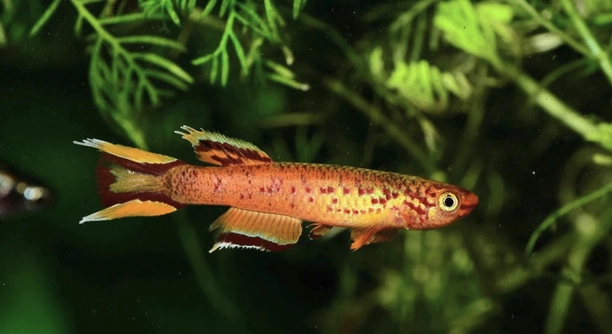
Killi fish eggs are delicate and small, making it tricky to know if they are fertile at a glance. Understanding their development is important for anyone interested in breeding or caring for these unique fish. Fertile eggs have specific characteristics that set them apart.
Fertile killi eggs can be identified by several signs, including a clear, round shape, visible embryo development inside, and sometimes a slight change in color as the embryo grows. Non-fertile eggs often become cloudy or white and fail to develop.
Recognizing these differences early helps ensure proper care and increases the chances of successful hatching. This article will explain seven clear ways to tell if a killi egg is fertile.
Appearance of the Egg
Killi eggs that are fertile often have a distinct appearance compared to infertile ones. Fertile eggs tend to be clear or translucent, allowing you to see inside. You might notice tiny spots or veins forming as the embryo starts to develop. These eggs usually maintain a round and smooth shape. On the other hand, infertile eggs are often cloudy or opaque and may look swollen or misshapen. Over time, infertile eggs may turn white and sometimes even develop fungus. These visual differences are among the earliest signs to watch for when trying to identify fertile eggs. Paying attention to these traits can help you sort eggs that are more likely to hatch successfully.
Clear eggs with visible development indicate successful fertilization and embryo growth. This clarity usually remains for the first several days of incubation before further changes appear.
Observing these visual cues regularly is essential. It lets you remove infertile eggs promptly, reducing the risk of fungal growth spreading and harming healthy eggs.
Texture and Firmness
Fertile killi eggs generally have a firmer texture when touched gently. They feel smooth and resilient, whereas infertile eggs can become soft and fragile as they degrade. This difference in firmness results from the developing embryo inside, which gives the egg structure. Soft eggs are often a sign that fertilization did not occur or that the embryo has stopped developing. Handling eggs carefully is important because even fertile eggs can be damaged easily during inspection.
Checking the texture is a helpful step in egg assessment but should be done gently to avoid harming the delicate eggs.
Regularly feeling the eggs helps identify those that may need to be removed. Softer eggs are prone to bursting or fungal infections, which can affect other eggs in the batch. Maintaining a clean environment and handling eggs with care supports healthy development throughout the incubation period.
Color Changes Over Time
Fertile killi eggs often change color as the embryo develops. They may start clear and gradually shift to a light amber or yellowish hue. This color change is a good sign of healthy growth inside the egg.
The color progression happens because the embryo is maturing and creating pigments. In contrast, infertile eggs usually remain cloudy or turn white. This whitening signals that the egg is no longer viable. Monitoring these color changes daily helps track development stages. Early detection of unhealthy eggs allows for their removal, preventing fungal spread that can harm fertile eggs nearby.
Maintaining stable water conditions also supports proper color changes and embryo health. Variations in temperature or water quality can cause irregular development or discoloration, so consistent care is necessary for successful hatching.
Presence of Veins
Visible veins inside the egg are a key sign of fertility. These thin, branching lines show the embryo’s circulatory system beginning to form.
Veins usually appear within a few days after fertilization and become more defined over time. They deliver nutrients and oxygen, essential for embryo growth. Eggs without veins often indicate infertility or early embryo death. Carefully observing eggs under a light source or magnifying glass can help you spot these veins clearly. This step is one of the most reliable ways to confirm fertility, especially before other signs become obvious. Removing eggs without veins early on protects the remaining fertile eggs from contamination.
Size and Shape Consistency
Fertile killi eggs tend to be uniform in size and shape. They usually remain round or slightly oval throughout development.
Infertile eggs often show irregularities like swelling or shrinking, which can indicate they are no longer viable.
Transparency Under Light
Holding the egg up to a light source reveals important details. Fertile eggs often appear translucent, allowing you to see the developing embryo and veins inside.
This method helps distinguish fertile eggs early, as infertile eggs usually look cloudy or opaque and lack visible structures.
Development Progress
As days pass, fertile eggs show steady growth of the embryo inside. You may notice the embryo becoming more defined and sometimes moving slightly. This is a clear sign of life and proper development.
Infertile eggs remain static or degrade, often turning white or fuzzy due to fungal infection. Monitoring progress helps decide which eggs to keep or remove.
Removing Non-Fertile Eggs
Removing infertile eggs promptly reduces the risk of fungus spreading to healthy eggs. This practice helps maintain a clean environment, increasing the chances of successful hatching.
FAQ
How long does it take to tell if a killi egg is fertile?
Typically, you can start seeing signs of fertility within 3 to 5 days after the eggs are laid. Veins and embryo development become visible under good lighting, making it easier to distinguish fertile eggs from infertile ones. Early observation helps in managing the eggs properly.
Can I tell fertility without special tools?
Yes, many signs can be observed with the naked eye or a simple magnifying glass. Look for clear eggs with visible veins, consistent shape, and gradual color changes. Using a light source like a flashlight can improve visibility but isn’t strictly necessary.
What causes infertile killi eggs?
Infertility in killi eggs may be due to various reasons, including unsuccessful mating, poor water conditions, or stress in the breeding pair. Ensuring proper tank setup and healthy fish increases the chances of producing fertile eggs.
Should infertile eggs be removed immediately?
Yes, removing infertile or fungus-infected eggs promptly helps protect fertile eggs from contamination. Left untreated, fungal spores can spread quickly and threaten the entire batch of eggs.
How can I prevent fungus on killi eggs?
Maintaining clean water, stable temperatures, and gentle handling helps prevent fungal growth. Some breeders use antifungal treatments or add aquarium salt carefully, but these should be used sparingly and only when necessary.
Is it normal for fertile eggs to change color?
Yes, fertile killi eggs usually change color as the embryo develops. This progression is a positive sign, showing that growth is occurring inside the egg. Unhealthy eggs tend to lose their natural transparency and become white or cloudy.
Can temperature affect egg fertility?
Temperature plays a crucial role in embryo development. Too high or too low temperatures can halt development or cause deformities. Keeping water within the ideal range for the species helps improve fertility rates.
What is the best lighting to check egg fertility?
Soft, indirect light or a flashlight held behind the egg works best for spotting veins and embryo growth. Bright or direct lighting may cause stress to the eggs or fish, so use light carefully and briefly.
How often should I check the eggs?
Daily inspections are ideal. This helps spot early changes or problems and allows for quick removal of any infertile or damaged eggs, protecting the healthy ones.
Can fertile eggs fail to hatch?
Yes, even fertile eggs may fail if conditions are poor or the embryo stops developing. Common issues include fungal infections, improper water parameters, or physical damage to the eggs.
Are all clear eggs fertile?
Not always. Some infertile eggs may appear clear initially but will not develop veins or embryos over time. Watching for continuous changes and development is important to confirm fertility.
Is it safe to touch the eggs during inspection?
Touching should be very gentle and minimal. Eggs are fragile, and rough handling can damage the developing embryo. Using soft tools like a small brush can help if you need to move eggs carefully.
How can I tell if an embryo has stopped developing?
If the veins disappear, the embryo stops growing, or the egg turns white or fuzzy, it usually means development has ceased. These eggs should be removed promptly to prevent fungal spread.
Can infertile eggs turn into fungus?
Yes, infertile eggs are more prone to fungal infections. Fungus appears as white, cottony patches on the egg surface. It spreads easily, so early removal of affected eggs is crucial.
What water parameters support egg fertility?
Stable temperature, clean water, and proper pH suited to killi fish are key. Avoid sudden changes in water quality and use gentle filtration to keep conditions optimal for egg development.
Does the breeding pair’s health affect egg fertility?
Absolutely. Healthy, well-fed, and unstressed fish produce more viable and fertile eggs. Proper diet and a calm environment encourage successful breeding outcomes.
How can I improve fertility rates in my killi fish?
Provide good water conditions, a balanced diet, and enough space for breeding. Introducing plants or spawning mops can encourage natural egg laying and improve fertility.
Is it normal for eggs to develop at different rates?
Some variation can occur, but most fertile eggs develop fairly evenly. Large discrepancies may indicate uneven fertilization or health issues with some embryos.
What signs indicate a healthy embryo inside the egg?
Visible veins, slight movement, and gradual darkening of the embryo are all good signs. These show that the embryo is alive and growing properly.
Can I hatch killi eggs outside the main tank?
Yes, many breeders transfer eggs to separate containers for better control over water quality and protection from predators. This can improve hatching success if done carefully.
How long do killi eggs typically take to hatch?
Hatching times vary by species but generally range from 7 to 14 days under optimal conditions. Monitoring eggs during this period helps track development and prepare for fry care.
Final thoughts on identifying fertile killi eggs focus on careful observation and consistent care. Understanding the subtle differences between fertile and infertile eggs can greatly improve breeding success. Fertile eggs usually show clear signs like visible veins, color changes, and firm texture, while infertile eggs tend to become cloudy, soft, or develop fungus. Knowing these characteristics allows you to remove unhealthy eggs early, protecting the healthy ones and reducing the risk of contamination.
Maintaining the right environment is just as important as spotting fertile eggs. Stable water conditions, including temperature and cleanliness, support proper embryo development. Handling eggs gently during inspection helps avoid damage to fragile embryos. Removing infertile eggs promptly helps prevent fungal growth, which can quickly spread and harm the entire batch. Patience and attention to detail during this stage make a significant difference in the outcome of your efforts.
Breeding killi fish requires some practice and careful monitoring, but learning to recognize fertile eggs is a key step. Watching for changes over time and using simple techniques, like shining a light behind the eggs, can provide the information needed to care for them properly. Consistent observation combined with good tank management creates the best chance for eggs to develop and hatch successfully. This understanding not only improves breeding results but also deepens the connection with your fish and their care.

Hello,
If you enjoy the content that we create, please consider saying a "Thank You!" by leaving a tip.
Every little bit helps us continue crafting quality advice that supports the health, happiness, and well-being of pets around the world, for pets of all shapes, sizes, and species.
We really appreciate the kindness and support that you show us!