
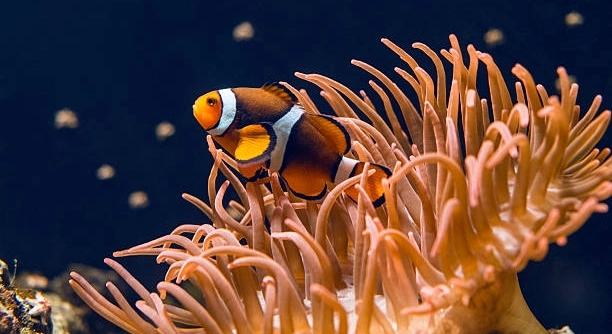
Have you ever watched your clownfish eat and wondered if you might be giving it just a little too much food? Feeding your fish the right amount is important, but it can be easy to overdo it. Knowing the signs early can help prevent future problems in your tank.
The clearest way to tell if a clownfish is overfed is by observing physical bloating, sluggish behavior, and leftover food in the tank. These signs usually mean the fish is receiving more food than it needs.
Too much food can lead to health issues and dirty water, but learning what to watch for can keep your clownfish happy and your tank healthy.
Uneaten Food Sinking to the Bottom
When clownfish are given more food than they can eat, the extra bits often fall to the bottom of the tank. This leftover food doesn’t just sit there—it starts to break down and can cloud the water. Over time, it also leads to higher levels of ammonia, which isn’t good for any fish. If you notice food collecting at the bottom shortly after feeding, that’s a sign your clownfish are not finishing their meals. It’s best to give small amounts, wait, and observe how quickly they eat. If food remains after a few minutes, reduce the portion. Many fishkeepers find that feeding in smaller amounts twice a day works better than giving too much at once. It helps your fish digest properly and keeps the tank cleaner. Getting into the habit of watching how much food your fish really eat can make a big difference.
If food keeps settling on the floor of the tank, you’re likely feeding too much.
Try using a feeding ring or a small measuring spoon. These tools can help you control portions more easily. Also, observe your fish during feeding time. If they stop eating within two minutes, it means they’re full. After feeding, check for any leftover bits. You can use a siphon or net to remove them quickly. This prevents build-up and keeps your water clear. Uneaten food turns into waste fast, and even a small amount left behind can change your water quality. Keeping portions small and consistent helps your clownfish stay healthy and active. Watching their eating pace gives you a better idea of what’s enough. Overfeeding doesn’t just affect the fish—it changes the balance of your entire tank.
Swollen or Bloated Appearance
A clownfish that looks rounder than usual or has a noticeably swollen belly may be eating too much.
A bloated clownfish often swims slower and may even float oddly or struggle to stay upright. Swelling is one of the most visible signs of overfeeding. When fish consume more food than they can properly digest, it leads to internal pressure and discomfort. This can cause the fish to become lethargic, resting at the bottom of the tank or swimming less than normal. In more serious cases, overfeeding may contribute to constipation or fatty liver disease. It’s important to compare your fish’s shape with how it usually looks. If your clownfish’s belly seems puffier and you haven’t changed anything else in the tank, the issue may be diet-related. Cut back on how often and how much you feed. Skipping a day of feeding once a week can also help balance their digestion. These changes are simple and safe ways to improve their condition.
Cloudy Water After Feeding
If your tank water becomes cloudy not long after feeding, it could be due to uneaten food starting to rot. This is a common sign that your clownfish are getting more food than they can eat in one sitting.
Cloudy water usually means that organic material—mostly leftover food—is breaking down and affecting water quality. This creates extra work for your filter and can lead to ammonia spikes. You might also notice an odd smell or white haze in the tank. These changes don’t happen instantly, but they can show up within a few hours or by the next day. To avoid this, feed less and keep a close eye on how much the fish actually consume. It’s always easier to add a little more food than it is to fix bad water conditions. A good rule of thumb is to only feed what your clownfish can eat within two minutes.
If you’ve recently cleaned your tank but the water still looks murky after feeding, the issue is likely food-related. Even high-quality food can pollute the water if overused. Slow-sinking pellets, flakes, or frozen pieces that are too big may take longer to eat and settle before being finished. This increases the chance of waste buildup. Try breaking up larger portions into smaller meals throughout the day. You can also consider switching to a cleaner food type, like floating pellets, that’s easier for clownfish to eat quickly. Water changes help, but they won’t fix the problem long-term if feeding habits stay the same. Watching how your tank reacts after each meal gives helpful clues about what’s working—and what isn’t.
Sluggish Behavior After Eating
Clownfish that stay still or hide after eating are possibly being overfed. While brief rest is normal, extended sluggishness can mean they’ve eaten more than they can handle.
After a meal, clownfish should swim calmly but stay active and alert. If they become slow or hover near the bottom for too long, it’s often a sign of overfeeding. Eating too much can cause discomfort and make it harder for them to move around freely. A fish with a full belly may also seem disinterested in its surroundings or ignore things it usually responds to, like tank mates or movement. Some may even show signs of difficulty swimming or maintaining balance. These behaviors often go unnoticed until they become frequent. Feeding smaller amounts and spacing meals throughout the day can prevent this problem. Sluggish behavior linked to food intake is usually easy to fix with consistent portion control and observation.
Frequent Pooping or Stringy Waste
Seeing your clownfish poop more than usual can be a clue they’re getting too much food. When waste appears stringy or hangs from the fish for a while, that’s another sign digestion isn’t working well due to overfeeding.
Uneaten food isn’t the only concern—extra waste also affects your water. Frequent or abnormal pooping puts more stress on your filter and can lead to cloudy conditions or ammonia spikes. If you’re cleaning more often or noticing waste floating around the tank, it’s time to cut back on how much you’re feeding.
Algae Growth Increases
When clownfish are overfed, uneaten food breaks down and releases nutrients into the water. These nutrients—especially phosphates—help algae grow faster. You may notice more green patches on the glass or decorations, or brownish algae starting to coat surfaces. Algae blooms often mean something in the tank is off-balance. Even with regular tank maintenance, algae can become harder to control if food isn’t being fully eaten. Feeding less not only helps your fish but also keeps your tank looking clearer and cleaner. Watching algae patterns can actually help you spot feeding problems before other symptoms show up.
Lack of Interest in Food
If your clownfish suddenly lose interest in food, it may be because they’ve been overfed. Fish that are already full will often ignore food dropped into the tank.
FAQ
How often should I feed my clownfish?
Most adult clownfish do well with being fed once or twice a day. Younger fish might need smaller meals two to three times daily. It’s important to feed only what they can eat within two minutes. If food is left floating or falling to the bottom, that’s too much. Feeding too frequently or offering large portions can cause digestive issues, dirty water, and stress. Keeping meals consistent and moderate helps maintain better tank health and avoids overfeeding problems. A routine feeding schedule also helps your clownfish stay active and behave more naturally.
Can overfeeding shorten my clownfish’s lifespan?
Yes, overfeeding can lead to several long-term health problems that may shorten a clownfish’s lifespan. Too much food can cause fatty buildup around organs, constipation, and even internal infections. These issues often develop slowly, making them easy to overlook until your fish starts behaving differently. Overfeeding also harms the water quality, which affects the fish’s overall health. Fish kept in clean water and fed properly tend to live longer and stay more active. A small change in feeding habits can make a big difference in your clownfish’s long-term well-being. Less food doesn’t mean less care—it often means better care.
What types of food are best for clownfish?
Clownfish thrive on a varied diet. High-quality marine pellets and flakes designed for saltwater fish are a great base. You can also add frozen or live foods like brine shrimp, mysis shrimp, or finely chopped seafood for extra nutrition. Switching things up every few days can help prevent boredom and support better digestion. Avoid fatty or overly rich foods too often, as these can contribute to bloating and waste buildup. It’s also best to thaw frozen food before feeding to make it easier for your clownfish to eat and digest. A balanced mix supports color, energy, and growth.
Why is my clownfish spitting out food?
Spitting out food doesn’t always mean your clownfish dislikes it. Sometimes the pieces are just too big or hard to chew. If this happens often, try crushing pellets or choosing a smaller size. It could also mean the fish is full or feeling unwell. Overfeeding may lead to decreased interest in food, even if the fish looks curious at first. If water quality is poor, that can also affect appetite. Make sure the tank is clean, and check your fish’s behavior over a few days. If spitting continues, consider adjusting the feeding schedule and reviewing your water parameters.
How do I know if my clownfish is actually full?
A full clownfish will usually slow down or stop chasing food. After eating enough, they may swim away from new pieces or seem uninterested when more food enters the tank. If they keep eating without pause, you may be feeding too quickly or offering too much at once. Watch how long it takes for them to eat—two minutes is a good average. Also, look for changes in body shape; a slight roundness after eating is fine, but puffiness or bloating means they’ve likely had too much. Consistent observation is the best way to learn your clownfish’s natural habits.
Should I skip feeding days?
Yes, skipping one feeding day each week is safe and even helpful for adult clownfish. It gives their digestive system a break and can help prevent bloating or constipation. In the wild, fish don’t eat on a strict daily schedule, so missing a day now and then won’t harm them. In fact, it can improve long-term health and reduce the risk of overfeeding. Just make sure to resume normal feeding the next day without trying to make up for the skipped meal. Feeding less often with purpose is better than feeding too much without thinking.
Can overfeeding affect other tank mates or the tank itself?
Absolutely. Overfeeding doesn’t just affect your clownfish—it changes the whole tank environment. Uneaten food increases waste, encourages algae growth, and puts more strain on your filter system. This can lower oxygen levels and cause ammonia spikes, which harm other fish, invertebrates, and corals. In community tanks, some fish may eat more than others, leading to uneven health issues. Overfeeding also makes cleaning more frequent and difficult. By feeding the right amount, you support the entire tank’s balance, not just one species. Healthy water and consistent feeding habits benefit everything that shares the space with your clownfish.
Final Thoughts
Feeding your clownfish the right amount is one of the simplest ways to keep them healthy. Overfeeding can cause problems for both the fish and the tank environment. When your clownfish eat too much, they may become bloated, sluggish, or uninterested in food. You might also notice leftover food, cloudy water, or more algae than usual. These are all signs that it’s time to take a closer look at your feeding habits. Keeping portions small, watching how much they eat, and removing uneaten food can go a long way in preventing these issues.
It’s easy to think that feeding more means you’re giving your fish extra care, but that’s not always the case. Fish don’t need as much food as many people believe, especially in a home aquarium where their activity is limited. Giving too much food at once or feeding too often can lead to stress, poor water conditions, and health problems over time. A healthy clownfish should be active, curious, and have a balanced body shape. If you notice changes in behavior or appearance, feeding could be part of the cause. Taking a moment to observe your fish during and after meals can tell you a lot.
Finding the right feeding routine may take a little trial and error, but it doesn’t have to be complicated. Start with small portions and adjust based on how your clownfish respond. Use tools like feeding rings or timers if it helps you stay consistent. Don’t be afraid to skip a feeding day, especially for adult clownfish—it can actually help their digestion. Clean water, a steady routine, and a balanced diet all work together to support your clownfish’s well-being. Paying attention to the signs of overfeeding and making small changes when needed will help you maintain a healthy, thriving tank. In the end, less is often better when it comes to feeding.

Hello,
If you enjoy the content that we create, please consider saying a "Thank You!" by leaving a tip.
Every little bit helps us continue crafting quality advice that supports the health, happiness, and well-being of pets around the world, for pets of all shapes, sizes, and species.
We really appreciate the kindness and support that you show us!