
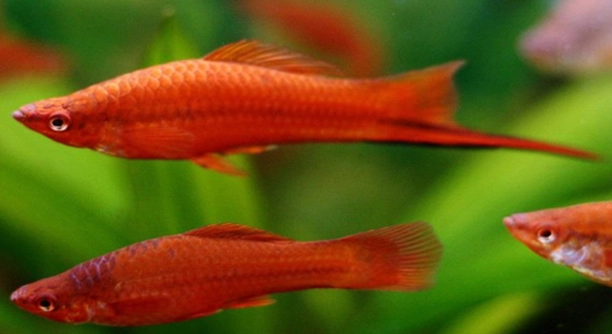
Are you noticing that your swordtail seems off, but you’re not sure what’s wrong?
Swordtails, like all fish, can exhibit certain signs when they’re unhappy. These signs may include erratic swimming, unusual behavior, or changes in their physical appearance. Identifying these signs is essential to improving their well-being.
Learning to spot the signs of an unhappy swordtail is crucial for their health. This article will help you understand what to look for and how to address any issues that arise.
Unusual Swimming Patterns
When a swordtail is unhappy, it might swim erratically. Instead of gliding smoothly, it may dart around quickly or stay at the bottom of the tank. This behavior is often a sign of stress or discomfort. The fish could also swim in circles or move unusually fast, especially if there are any environmental factors at play. These issues might include poor water quality, overcrowding, or incompatible tank mates. If you notice these changes, it’s a good idea to check the tank conditions and make sure they are ideal for your swordtail.
If a swordtail is swimming aimlessly or not moving much, it’s trying to tell you something is wrong. Checking for water changes or tank conditions can help resolve the issue.
Swordtails are active fish that love to explore their surroundings. When they show unusual swimming behavior, it’s a warning sign that something might be off. Poor water quality is a common issue that leads to this kind of stress. Water temperature, pH, and cleanliness play a big role in a swordtail’s health. If the water isn’t right, swordtails can struggle to feel comfortable and may exhibit strange swimming patterns. Another factor could be overcrowding. A tank with too many fish can create stress due to lack of space. It’s important to make sure your swordtail has enough room to swim freely and explore.
Changes in Eating Habits
If a swordtail stops eating or begins to eat less, it’s another sign that something is wrong. Fish are usually quite active when it comes to feeding. A decrease in appetite could be caused by poor water quality, sickness, or stress.
Swordtails that suddenly refuse food need attention. Sometimes the issue is environmental stress, which can be easily fixed by adjusting tank conditions.
Swordtails typically enjoy a healthy appetite and will eat most foods without hesitation. If your swordtail is refusing food, it’s often linked to changes in its environment. Stressful tank conditions, such as fluctuating temperatures, unclean water, or aggressive tank mates, can discourage feeding. Illness is another factor to consider. A sick swordtail might lose interest in food or appear lethargic. A change in diet could also cause problems; switching to a new food that the swordtail doesn’t like might lead to decreased eating. Ensure you check the water, the temperature, and the fish’s overall behavior for other signs of distress.
Faded Color
When a swordtail’s vibrant colors start to fade, it’s usually a sign of stress or illness. A healthy swordtail is known for its bright, eye-catching hues. If the color becomes dull, it’s important to look into potential causes. This can include poor water conditions, lack of nutrients, or physical stress.
Swordtails thrive in stable environments where water conditions are ideal. Fading colors may indicate poor water quality, such as incorrect pH levels or the presence of toxins. Ensure the tank is clean and that water is regularly changed. A lack of proper nutrition can also contribute to color loss. Feeding a well-balanced diet rich in vitamins and minerals will help maintain their vivid hues. Furthermore, physical stress caused by bullying from other fish or overcrowded tanks can lead to a decrease in color intensity. Reducing stress factors is key to bringing back their color.
If your swordtail’s color has started to fade, check the water quality first. Ensure the temperature is stable, and there’s no harmful ammonia or nitrate buildup. A simple water test can give you a quick assessment. In addition to environmental factors, look at the fish’s diet. Swordtails need a variety of foods to stay healthy. Consider incorporating color-enhancing foods into their diet, such as those high in carotenoids, to promote better pigmentation. By adjusting both the environment and diet, you should notice a return of your swordtail’s vibrant appearance.
Aggressive Behavior
Swordtails that are unhappy may begin to display more aggressive behavior. This can include chasing or nipping at other fish. Such actions often indicate stress, territoriality, or discomfort. Aggression can also occur if there is competition for food or mates.
Aggressive swordtails are often stressed or feel threatened by other fish. The aggression may stem from overcrowding or a lack of personal space in the tank. In this case, adding more hiding spots or rearranging decorations can help give the fish room to feel secure. If other fish are the cause of the aggression, consider separating them or ensuring they have enough food and space. Tankmates that don’t get along can create constant tension, making the swordtail feel the need to defend itself.
Aggressive behavior can also occur when swordtails are kept in inappropriate environments. If there’s too much noise, too much light, or other environmental factors that cause discomfort, your swordtail may respond by becoming more aggressive. Overcrowding can increase stress levels significantly. Swordtails need ample space to thrive and feel secure. Tank decorations that provide hiding spaces can also reduce tension. These measures can ease the swordtail’s stress and reduce aggressive tendencies, creating a more peaceful and comfortable environment for your fish.
Excessive Hiding
If your swordtail is constantly hiding, it’s a clear sign that something is wrong. Swordtails are social fish and enjoy being active. When they hide more often, it may be due to stress, illness, or an environment that feels unsafe.
Excessive hiding can happen if the swordtail feels threatened by other tank mates or environmental factors. It may be hiding to escape aggression or avoid stressful situations. The presence of overly dominant fish, poor water quality, or lack of hiding spots can lead to this behavior. Reducing stress and providing a more secure environment should help.
Creating a peaceful tank environment is key to reducing hiding behavior. You can achieve this by ensuring that your tank is not overcrowded and that no aggressive fish are present. Adding more plants, rocks, or decorations will provide hiding spots, allowing the swordtail to feel more secure and less likely to hide.
Swollen Abdomen
A swordtail with a swollen abdomen could be dealing with health problems, such as bloating, constipation, or even pregnancy. The swelling can also indicate internal infections or parasites, which need immediate attention.
A swollen belly is a sign that something is wrong. It could be caused by overfeeding, a build-up of gas, or other internal issues. If the fish’s abdomen is swollen and it seems lethargic, it’s important to monitor water conditions and avoid overfeeding. These signs are often a result of stress or improper tank conditions, so addressing these factors can help your swordtail feel better.
Dull Fins
If your swordtail’s fins appear dull or clamped, it may be a sign of discomfort. Healthy swordtails usually have long, flowing fins that are vibrant and active. Dull or clamped fins can be caused by stress, illness, or poor water quality.
Fins that are not fully extended and appear clamped close to the body are often a sign of stress or physical discomfort. A swordtail that feels threatened or unwell will often retract its fins to protect itself. Poor water quality, diseases, or an incompatible tank mate can cause this. Fixing these issues will likely help restore your fish’s fin condition.
FAQ
Why is my swordtail swimming at the bottom of the tank?
If your swordtail is spending more time at the bottom, it could be a sign of poor water quality, stress, or illness. Swordtails prefer to swim around the tank and explore. When they stay near the bottom, it can indicate a problem with oxygen levels or water cleanliness. It’s important to check the water parameters, such as pH, ammonia, and nitrate levels. Also, ensure that the temperature is stable and within the ideal range for swordtails. If the tank is overcrowded or if aggressive tank mates are present, this could also cause your swordtail to hide.
What should I do if my swordtail’s fins are clamped?
Clamped fins are a common sign of stress or illness in swordtails. When a fish’s fins are not extended and appear stuck close to its body, it indicates discomfort. This could be due to poor water quality, high levels of ammonia or nitrites, or disease. Start by testing your water to ensure it’s within the proper range. Check for any aggressive tank mates that might be stressing your swordtail. Additionally, if you notice other symptoms like lethargy or discoloration, it may be a sign of an infection, and treatment should be considered.
Why is my swordtail not eating?
A lack of appetite in swordtails often points to stress, illness, or poor water conditions. Swordtails typically have a healthy appetite and will eat most foods. If your swordtail isn’t eating, first check the water quality. Ammonia, nitrite, and nitrate levels should be within the recommended range. Also, look for signs of disease or injury. Sometimes, changes in diet or introducing new foods can cause a swordtail to refuse food. If there’s no improvement, isolating the fish to prevent stress from tank mates and seeking medical help may be necessary.
How do I know if my swordtail is stressed?
Stress in swordtails can manifest in different ways, including erratic swimming, hiding, or even aggression. Stress is often caused by poor water quality, overcrowded tanks, or incompatible tank mates. If you notice your swordtail hiding more often, not eating, or swimming in circles, these are all signs of stress. Additionally, changes in color, such as dullness or fading, can also indicate that the fish is under stress. To reduce stress, it’s important to maintain a clean tank, provide enough space, and keep water conditions stable.
Is it normal for my swordtail to have a swollen belly?
A swollen belly in a swordtail could indicate several things, including pregnancy, constipation, or internal parasites. If the swelling is due to pregnancy, it’s usually a natural and temporary condition. However, if the swelling persists or worsens, it may be a sign of a health issue such as overfeeding, gas buildup, or an infection. To avoid bloating, feed your swordtail in moderation and ensure it’s eating a balanced diet. If the fish shows other symptoms like lethargy or unusual behavior, consider checking water quality and seeking treatment for potential illness.
Why is my swordtail’s color fading?
Swordtails are known for their vibrant colors, and if the color starts to fade, it’s usually a sign that something is wrong. Faded colors are often a result of poor water quality, stress, or malnutrition. It’s important to check the water parameters, especially the pH, temperature, and ammonia levels. Stress from overcrowded tanks or incompatible tank mates can also lead to color fading. Inadequate nutrition, such as a lack of vitamin-rich foods, can contribute as well. If the water quality is fine and the diet is balanced, then check for any signs of disease that could be causing the color change.
Can swordtails live with other fish?
Swordtails are peaceful and social fish, making them compatible with a variety of other species. However, they should not be kept with aggressive or overly territorial fish, as this could cause stress. Swordtails do best with other peaceful community fish such as tetras, guppies, or mollies. Ensure that the tank is large enough to accommodate the fish and provide plenty of hiding spots to reduce stress. Keeping swordtails with the right tank mates promotes a peaceful environment and reduces aggression, making them happier and healthier.
How can I tell if my swordtail is pregnant?
Pregnancy in swordtails is relatively easy to detect. Female swordtails will typically show a noticeable swelling in their abdomen as the pregnancy progresses. You may also notice a dark spot near their abdomen, which is the developing babies. A pregnant swordtail will often seek shelter and become more reserved as the time to give birth nears. If you suspect your swordtail is pregnant, provide plenty of hiding spots for the fry. Once the babies are born, they should be removed from the main tank to prevent them from being eaten by the adult fish.
What water temperature is best for swordtails?
Swordtails prefer a water temperature between 72°F and 78°F (22°C to 26°C). Keeping the temperature within this range ensures that your swordtail stays comfortable and active. Temperatures that are too high or too low can cause stress, leading to health problems. It’s also important to keep the temperature stable to avoid shocking the fish, as sudden temperature fluctuations can cause illness. A reliable aquarium heater can help maintain a consistent temperature, especially in cooler environments.
How can I prevent swordtail disease?
Preventing disease in swordtails begins with maintaining good water quality. Regular water changes, proper filtration, and testing the water parameters are essential for keeping a healthy tank. Avoid overcrowding and ensure that tank mates are compatible to reduce stress. Quarantining new fish before adding them to your tank can prevent the spread of potential diseases. Also, make sure your swordtails are getting a balanced diet that includes nutrients to boost their immune system. Regularly observe your fish for signs of illness, such as discoloration, clamped fins, or abnormal behavior, and address issues promptly to prevent outbreaks.
What size tank is best for swordtails?
Swordtails are active fish that require enough space to swim and explore. A 20-gallon tank is usually the minimum size for a small group of swordtails. If you plan to keep multiple fish or other species, a larger tank is recommended. A bigger tank provides more swimming space and helps maintain stable water conditions, which is essential for the health of your fish. It also allows you to add plants, rocks, and other decorations that provide hiding spots, which reduce stress and promote a more natural environment for your swordtails.
Final Thoughts
Swordtails are generally easy-going fish, but like any pet, they require attention to thrive. Keeping a swordtail happy starts with maintaining proper water quality and providing the right environment. Regular water changes, monitoring the temperature, and checking for harmful levels of ammonia or nitrites will go a long way in ensuring that your swordtail stays healthy. Additionally, having enough space in the tank is crucial. Overcrowding can lead to stress and health problems, so it’s always a good idea to ensure your tank has enough room for each fish to move freely.
Paying attention to the behavior of your swordtail is also important. If you notice signs of stress, such as erratic swimming, hiding, or a loss of color, it’s essential to address these issues promptly. This could mean changing the water, adjusting the tank mates, or offering a better diet. Stress in fish can build up quickly, and by the time you notice the symptoms, the problem may be worsening. Monitoring the fish regularly and making small adjustments to the environment can prevent larger issues. Taking the time to observe your swordtail’s behavior and environment will help you spot problems early.
Lastly, a healthy diet is key to keeping your swordtail vibrant and active. Swordtails are omnivores and need a variety of foods, including both plant-based and protein-rich options. A good balance of vitamins and nutrients is essential for their color, energy, and overall well-being. By paying attention to their food, water, and environment, you can enjoy watching your swordtail swim happily in its tank for years to come. Remember, a little effort goes a long way in ensuring your fish’s happiness and health.

Hello,
If you enjoy the content that we create, please consider saying a "Thank You!" by leaving a tip.
Every little bit helps us continue crafting quality advice that supports the health, happiness, and well-being of pets around the world, for pets of all shapes, sizes, and species.
We really appreciate the kindness and support that you show us!