
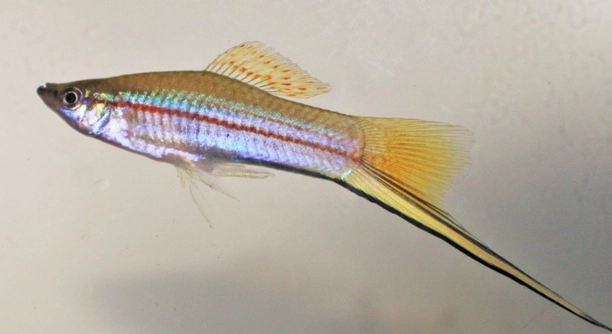
Swordtails are fascinating fish, and understanding their pregnancy can be important for their care. Knowing the signs of pregnancy will help you provide the best environment for them. Here are some ways to identify when your swordtail is expecting.
Pregnant swordtails exhibit certain physical and behavioral changes that are easy to spot. Their bellies grow larger, and their bodies may become rounder as they carry developing fry. Additionally, their behavior may change, with a preference for hiding or resting more often.
These signs can help you better understand your swordtail’s condition. Keep reading to learn how to identify the pregnancy stage more accurately and provide the right care for your fish during this exciting time.
Physical Changes in a Pregnant Swordtail
When a swordtail is pregnant, one of the most noticeable signs is the change in its body shape. As the fry grow inside, the belly swells, becoming noticeably rounder and larger. The gravid spot, which is located near the tail, darkens and becomes more pronounced. This is a clear indicator that the fish is expecting. The change in appearance might be subtle at first, but as the pregnancy progresses, it becomes increasingly obvious. In some cases, the swordtail may become less active, as carrying fry takes a toll on its energy levels.
While you might notice some swelling, it’s important to monitor your swordtail’s behavior. It may prefer staying hidden in darker corners of the tank or avoiding aggressive interactions with other fish. The stress of pregnancy can make them more sensitive to their surroundings. If you see your swordtail hiding more often, it could be because of the impending birth or simply seeking a calm environment to rest.
The swelling of the abdomen is typically one of the easiest ways to tell that a swordtail is pregnant. As the pregnancy progresses, this physical change becomes more dramatic. Along with the belly expansion, the color of the gravid spot intensifies, indicating the fry are getting closer to being born. Keep an eye on your swordtail’s movements to better gauge its pregnancy stage.
Behavior Shifts in Pregnant Swordtails
Pregnant swordtails often exhibit noticeable changes in behavior. They may become more passive, spending more time near the tank’s bottom or in areas with plants. This is because they are trying to find a safe, stress-free space to prepare for the birth of their fry.
Pregnancy often leads to a decrease in the swordtail’s overall activity level. The fish may swim less, resting in hidden corners of the tank, especially during the later stages of pregnancy. Swordtails tend to avoid larger or more aggressive fish during this period, seeking out quiet areas to stay comfortable. Additionally, some may become more territorial or protective of their space. This behavior is entirely natural and indicates that the swordtail is preparing for the birth of its fry. Maintaining a peaceful environment in your aquarium will reduce stress and help keep the swordtail calm until the fry are born.
Size and Shape of the Belly
As the pregnancy progresses, your swordtail’s belly will visibly enlarge. The shape may also change, with the lower part of the belly becoming rounder. This is due to the developing fry inside, which cause the fish to expand in a noticeable way.
During the early stages, the changes may be subtle, but over time, the swordtail’s abdomen will continue to grow. If you closely observe your fish, you’ll notice its belly becoming more pronounced as it carries more fry. The increased size can make it harder for the swordtail to swim as gracefully as it once did. Keep an eye on the shape of the belly for a clear indicator of pregnancy.
The size and shape of the belly are key signs of a pregnant swordtail. When this change occurs, you should expect it to continue expanding until the fry are ready to be born. By this time, the belly will be quite round, and the gravid spot will be darker. The changes in both belly size and shape make it easier to identify a pregnant swordtail.
Gravid Spot and Its Significance
The gravid spot is one of the most noticeable signs of pregnancy in swordtails. This darkened area near the fish’s tail becomes even darker as the fry develop inside. It’s easy to spot once the pregnancy reaches later stages.
As the pregnancy progresses, the gravid spot will grow larger and darker, offering a clear visual sign of the swordtail’s condition. At this point, you should be able to observe developing fry inside the fish, particularly as the spot becomes more pronounced. The size of the gravid spot often correlates with how far along the pregnancy is. If the spot appears very dark and large, the swordtail could be close to giving birth.
The gravid spot is essential for identifying a pregnant swordtail. Its size, shape, and color provide clear clues about the fish’s pregnancy stage. As the spot darkens and becomes more noticeable, it’s a sign that the fry inside are nearing the point of being born. This mark on the swordtail is one of the easiest and most reliable indicators.
Swimming Patterns
Pregnant swordtails often display changes in their swimming behavior. As the fry develop, their movements may slow down, and they may avoid swimming near other fish. This behavior is common as they look for a peaceful, quiet spot to rest.
You may notice that pregnant swordtails swim more slowly than usual or tend to stay near the bottom of the tank. They might avoid the middle of the aquarium, which is typically where the more active fish swim. This change in behavior is due to the discomfort of carrying fry and a desire to stay calm during the pregnancy.
The change in swimming patterns is an indicator that the swordtail is pregnant. Slower movements and less interaction with other fish suggest that the swordtail is conserving energy and seeking a calm environment to prepare for the birth of the fry.
Changes in Appetite
Pregnant swordtails may show a shift in their eating habits. Some may eat less than usual, while others might continue to eat normally. It’s important to monitor their food intake, as reduced eating can be a sign of discomfort or stress.
If your pregnant swordtail isn’t eating much, this could be due to the physical demands of pregnancy. Swordtails may also become more selective about their food, preferring certain types or refusing to eat altogether. Offering smaller, more frequent meals could encourage them to eat and stay healthy during the pregnancy.
Changes in appetite are normal for pregnant swordtails, but it’s important to ensure they continue to receive proper nutrition. If the swordtail seems disinterested in food for an extended period, it could be a sign of stress or an underlying issue that needs attention.
The Swordtail’s Behavior After Birth
Once the swordtail gives birth, you may notice a dramatic change in its behavior. After delivering the fry, the mother fish might rest more and appear exhausted. The energy spent on carrying the fry can leave the swordtail feeling drained.
It’s important to provide a safe and calm environment for the swordtail after birth. The mother may not be as active as usual for several days, and she may even avoid the fry, which is typical. She will focus on resting and recovering. Monitoring her behavior during this time helps ensure that she gets the care she needs to regain her strength.
FAQ
How long are swordtails pregnant?
Pregnancy in swordtails typically lasts about 4 to 6 weeks, depending on various factors like water temperature, the fish’s health, and age. Warmer water temperatures can speed up the gestation period, while cooler temperatures may extend it slightly. In most cases, you’ll start to notice signs of pregnancy about a month before the swordtail is ready to give birth. Keep an eye on her physical changes, such as the enlarging belly and darkening gravid spot, to help gauge when she might be nearing the end of her pregnancy.
What do I do if my swordtail is pregnant?
If your swordtail is pregnant, it’s essential to ensure she’s in a comfortable and stress-free environment. Keep the water clean and maintain proper water conditions. It might be a good idea to add some plants or hiding spots to the tank where she can retreat and rest. Additionally, you may want to consider setting up a separate breeding tank to house the fry after birth to protect them from being eaten by the mother or other fish. Offer a balanced diet to keep her healthy, and monitor her behavior for signs that she’s close to giving birth.
Can swordtails get pregnant without a male?
Yes, swordtails can become pregnant without the presence of a male. Female swordtails are capable of storing sperm for several months after mating. This means that even if the male is no longer in the tank, the female can still produce multiple batches of fry from the stored sperm. This can be surprising to some fish keepers, but it’s a natural feature of the swordtail’s reproductive process. If you don’t want any more fry, you may want to consider keeping only females or removing the female from the tank to prevent future pregnancies.
What signs indicate that my swordtail is about to give birth?
As the swordtail nears the end of her pregnancy, you may notice several signs. The belly will become much rounder, and the gravid spot near her tail will become very dark, sometimes almost black. She may also swim less, preferring to rest at the bottom of the tank or seek out hiding spots. The behavior of the swordtail will shift as she prepares for birth, becoming less active and more focused on finding a safe place. Once you notice these signs, it’s a good idea to prepare a separate tank for the fry, as she may give birth within the next few days.
How can I tell if my swordtail is giving birth?
When your swordtail begins to give birth, you’ll notice the release of small, wriggling fry. This process can take several hours, depending on the number of fry she’s carrying. Some swordtails give birth in a few short bursts, while others may take longer to release all their babies. During the birth process, the female might appear more active than usual and may hide in a corner to deliver her fry. Keep the tank well-lit so you can easily observe the birth. Once the fry are born, the mother will likely rest and seek shelter to recover.
Should I separate the pregnant swordtail from other fish?
It’s recommended to separate the pregnant swordtail if you want to protect the fry. Adult swordtails, as well as other fish in the tank, might eat the fry immediately after they are born. To give the baby swordtails a better chance of survival, it’s helpful to place the pregnant female in a separate tank or a breeding box within the main aquarium. After birth, you can return the mother to the main tank. This gives the fry a safe place to grow without the threat of being eaten.
How many fry can a swordtail have at once?
Swordtails can give birth to anywhere from 20 to 100 fry at once. The number of fry depends on factors like the swordtail’s age, health, and size. Older, healthy females may give birth to a larger number of fry, while younger or smaller females may have fewer. Once the fry are born, they will often hide among plants or in tank decorations until they are strong enough to swim around the tank. The birth process can be overwhelming for the mother, so it’s important to ensure she has a peaceful, safe environment during and after birth.
How can I care for the fry once they’re born?
After your swordtail gives birth, it’s essential to care for the fry properly to ensure their survival. Provide a separate tank or use a breeding box to keep them safe from adult fish. The water should be clean and well-maintained, with proper filtration and regular water changes. You can feed the fry finely crushed flakes or specialized fry food. They will need frequent, small feedings to ensure they grow strong. Be patient as they develop into young swordtails, and keep their environment as calm and stable as possible.
Can I tell the gender of swordtail fry?
It can be difficult to distinguish between male and female swordtail fry early on, but after about 3 to 4 weeks, you may start to notice differences. Male swordtails typically develop a longer, sword-like tail fin, while females remain rounder and stockier. Males will also develop a more colorful appearance compared to females. If you want to avoid overpopulation, it’s a good idea to separate the male fry from the females once they are old enough to display these physical traits.
Do I need to remove the male swordtail after birth?
You don’t have to remove the male swordtail immediately after the birth of the fry unless you are concerned about future pregnancies. Male swordtails tend to mate frequently, and if they are left with the female, she could become pregnant again soon after giving birth. If you want to prevent more pregnancies, separating the male is a good idea. However, if you want to allow natural breeding to continue, keeping the male in the tank is fine as long as you are prepared for future births.
Final Thoughts
Understanding when your swordtail is pregnant and how to care for her during this time is important for maintaining a healthy aquarium. Recognizing the physical signs, such as a swollen belly and dark gravid spot, will help you identify when she is expecting. These early signs provide a clear indication of her pregnancy, allowing you to make any necessary adjustments to her environment, like adding plants or hiding spots for her to rest. If you’re aware of her condition, you’ll be better prepared to manage the birth process and the care of the fry afterward.
It’s important to keep a close eye on her behavior as the pregnancy progresses. Swordtails can become more passive and may seek out calmer, quieter areas in the tank. This is perfectly normal and should not be a cause for concern. Ensuring a low-stress environment will help her feel comfortable and reduce any risk of complications during her pregnancy. Once she’s ready to give birth, the process can happen relatively quickly, but it may also take several hours depending on the number of fry. Being patient and observant during this time is key to ensuring the well-being of both the mother and her fry.
After birth, the care required shifts from the mother to the fry. Ensuring the fry are kept safe and fed properly will increase their chances of survival. Keeping them in a separate tank or breeding box will protect them from being eaten by other fish, including the mother. As they grow, monitor their development and separate males from females to prevent overcrowding. Swordtails are easy to care for, but understanding their pregnancy and birth process will make a significant difference in maintaining the health and stability of your aquarium.

Hello,
If you enjoy the content that we create, please consider saying a "Thank You!" by leaving a tip.
Every little bit helps us continue crafting quality advice that supports the health, happiness, and well-being of pets around the world, for pets of all shapes, sizes, and species.
We really appreciate the kindness and support that you show us!