
Plecos are fascinating fish to care for, especially when it comes to their breeding behavior. If you’re wondering how to tell if your pleco is ready to spawn, there are a few key signs to look for.
A pleco that is ready to spawn will show physical changes such as increased size, color changes, and behavior shifts like increased activity. You may also notice the female becoming fuller with eggs and the male guarding a breeding site.
Understanding these signs will make it easier for you to care for your plecos during this exciting time. Recognizing the early signs of spawning can also help you provide the best environment for their breeding success.
Physical Changes in the Pleco
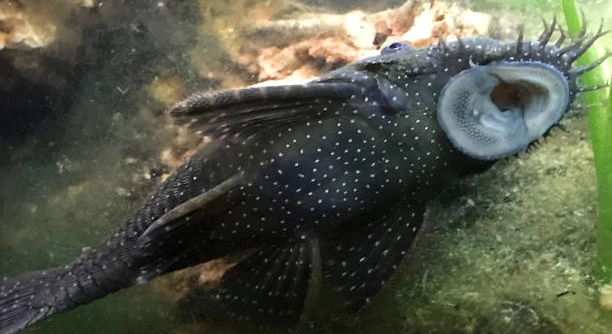
When a pleco is getting ready to spawn, you’ll start to notice some physical changes. The male pleco, for instance, will grow larger and develop bristle-like structures on its face, known as odontodes. These bristles are important because they help the male cling to surfaces while guarding the eggs. The female, on the other hand, may appear fuller as she carries the eggs, often becoming rounder and more noticeable. These changes are especially visible in species like the common pleco or bristlenose pleco.
These physical signs are often the easiest way to tell that spawning might be near. While they don’t always guarantee that spawning will happen immediately, they are a good indicator that the fish are preparing to mate. It’s important to remember that these physical changes, such as the growth of bristles in males, happen gradually over time. Keeping an eye on these subtle signs will help you track the progress.
The physical readiness of your plecos is just the beginning. While the males prepare their breeding sites and develop their bristles, the females start to gather the eggs, signaling their readiness. During this period, you might notice increased activity in the tank, with the males becoming more territorial and aggressive. This is a normal behavior as they fight to claim the best spots for spawning. Pay attention to how your plecos interact with each other, as this will give you clues about their readiness.
Behavioral Changes
Plecos also undergo certain behavioral shifts when preparing to spawn. One of the most noticeable signs is an increase in their activity levels. You might see the male pleco constantly swimming around, exploring different parts of the tank and even cleaning surfaces. He may start to hover near rocks, caves, or other potential nesting sites.
The male pleco will often start to chase the female, trying to guide her toward a breeding spot. It’s common for the male to perform what looks like a display of courtship, swimming in circles around the female or nudging her to signal his interest. If the female is receptive, she will follow him to a suitable site. Once she’s in place, the male will fertilize the eggs, and the spawning process will begin.
In some cases, the plecos may show signs of aggression during this period. Male plecos can be territorial and may engage in competition with each other over breeding sites. Understanding this behavior helps prevent unnecessary stress in the tank, especially if you have multiple males or other tank mates. Keeping a careful watch during this time will help ensure a smooth spawning process.
Nesting Behavior
As spawning time approaches, plecos begin to prepare nesting sites. Males, especially, will clean areas such as caves, rocks, or driftwood, scrubbing away any algae or debris. This action ensures a clean space for the female to lay her eggs. The male’s cleaning behavior is an important sign that he’s ready to breed.
Males may also defend these areas aggressively from other fish, showing heightened territoriality. They may even chase away other males who attempt to enter the space. If the tank is large enough and provides several hiding spots, the male will feel more confident in claiming a territory. Keeping these spots clean is essential, as plecos prefer to lay eggs on smooth surfaces where the eggs can stick securely. Pay close attention to this cleaning ritual; it’s a clear indication that breeding is near.
Once the male has cleaned a suitable area, he may spend hours guarding it. He’ll stay near the spot, watching over it closely. The female will then approach, and the two will begin the mating process, with the male fertilizing the eggs after the female lays them. This phase of nesting and guarding is crucial for the success of the spawning.
Increased Activity and Aggression
As plecos near the spawning stage, their activity levels increase. Males become more active, swimming around the tank, seeking out the female. They may chase her around or try to nudge her toward a breeding site. This behavior is often accompanied by an increase in aggression, as the males compete for the best nesting areas.
Aggression is also common between males during this time. They may fight to assert dominance over the best breeding spots. Males will use their bristles to fend off rivals, which can sometimes lead to physical confrontations. In a well-maintained tank, these battles are typically short-lived, with the dominant male claiming his territory.
During this period, the female pleco may be less active. She’ll move around the tank more slowly, preparing for the upcoming spawning. The male’s aggressive behavior is a clear sign that he is ready to claim a spot for mating, and it’s important to monitor this process to ensure minimal stress on the fish.
Size and Fullness of the Female
When a pleco is ready to spawn, the female will often appear noticeably fuller. This is due to her carrying a batch of eggs, which can make her abdomen more rounded. The size difference between a female ready to spawn and a non-breeding one is fairly noticeable.
The fullness of the female indicates that she is nearing the stage where she will lay eggs. If you see the female become significantly rounder, it’s a sign that she is preparing for breeding. This physical change is essential in identifying when spawning is likely to occur.
Temperature and Water Conditions
Proper water conditions are essential for pleco spawning. Plecos prefer slightly warmer water temperatures, usually around 75°F to 80°F (24°C to 27°C), which can encourage breeding. Changes in water temperature can trigger spawning behavior, making the male more active and ready to court the female.
Water quality also plays a role. Clean, well-maintained water helps plecos feel secure and comfortable, encouraging them to spawn. It’s a good idea to test the water regularly, ensuring that parameters like pH, ammonia, and nitrate levels are within safe ranges. Keeping these conditions optimal will increase the chances of successful breeding.
Observing Male Courtship Behavior
Male plecos typically start courting the female when they feel the conditions are right for spawning. They may swim closely around her, attempting to guide her to a suitable nesting site. The male may also display by swimming in circles or making small nudges to prompt the female to lay eggs.
The male may become more persistent as he tries to catch the female’s attention. If she’s ready, she’ll move toward the nesting site, and the male will fertilize the eggs after she lays them. Observing this behavior is a strong indication that the plecos are ready for the spawning process.
FAQ
How long does it take for plecos to spawn?
Pleco spawning can vary in duration, but typically the process takes several days. Once a male has successfully courted the female and she has laid her eggs, the male will fertilize them. After fertilization, the eggs will incubate for around 4 to 10 days, depending on water temperature and quality. Higher water temperatures can speed up the process, while cooler temperatures may prolong it. After the eggs hatch, the male will continue to guard them until the fry are free-swimming. This entire cycle, from courtship to fry becoming independent, can take a few weeks.
Do plecos lay eggs every time they spawn?
Yes, plecos typically lay eggs each time they spawn. Females produce a large number of eggs, and depending on the species, it can be anywhere from 20 to 200 eggs per batch. The male fertilizes the eggs after the female lays them, and they stick to a surface, usually in a cave or another sheltered area. After fertilization, the male will protect the eggs from other fish or tank mates. Once the fry hatch, they are fed by the yolk sac before transitioning to consuming small food particles.
Do plecos need a mate to spawn?
Yes, plecos require a mate to spawn. The male and female must be in good condition to breed. Male plecos actively court females by cleaning nesting sites and displaying territorial behaviors. Without a mate, plecos cannot reproduce. It’s important to ensure both the male and female are mature enough and in a suitable environment. In the case of certain species like bristlenose plecos, males may show significant territorial behavior while preparing for breeding.
Can plecos spawn without any special conditions?
While plecos can spawn in a variety of conditions, creating an ideal environment can significantly improve the chances of successful spawning. The water temperature needs to be within a specific range, typically between 75°F and 80°F (24°C to 27°C). Clean water with stable pH and low nitrate levels is also important. While plecos may spawn without these ideal conditions, it’s less likely, and the breeding process might not be as successful. Water quality and temperature adjustments, like a slight increase in warmth, can stimulate breeding activity.
How can I tell if my plecos are ready to spawn?
You can look for several signs that indicate plecos are ready to spawn. The males will develop bristle-like structures on their faces, called odontodes, and may start cleaning areas of the tank, like caves or driftwood. The females will appear rounder and fuller as they carry eggs. Increased activity, particularly from the males, as they chase or nudge the females toward nesting sites is another sign of readiness. Additionally, the male may become more territorial and aggressive, defending a chosen breeding site from other fish.
Do plecos need a specific type of tank for breeding?
Yes, plecos benefit from a tank that mimics their natural habitat. They prefer areas with plenty of hiding spots like caves, driftwood, or rocks. These serve as nesting sites for spawning. The tank should also be clean with stable water parameters—slightly warm temperatures and low nitrate levels encourage breeding. Having a separate breeding area or a species-only tank can increase the chances of successful spawning since plecos can be territorial during this time. The right environment ensures the fish feel safe enough to breed.
Can I breed plecos in a community tank?
Breeding plecos in a community tank is possible but may be more challenging due to the presence of other tank mates. During breeding, male plecos can become territorial and aggressive, especially around the nesting sites. If you have other fish, they may disturb the plecos or compete for the same hiding spots, which could disrupt spawning behavior. If breeding is your goal, consider providing more hiding spots or even isolating the plecos in a separate tank to prevent interference from other fish.
What should I do if plecos lay eggs but don’t hatch?
If pleco eggs don’t hatch, the most common reason is poor water quality or incorrect water parameters. Check the temperature and ensure it is within the ideal range of 75°F to 80°F (24°C to 27°C). Also, verify that the water is clean and free of toxins. In some cases, the male may not be guarding the eggs properly or may not have fertilized them. It’s also possible that the eggs are infertile or damaged. In such cases, you may need to remove the eggs and try again with better conditions.
How can I care for pleco fry after they hatch?
Once pleco fry hatch, they are very small and rely on their yolk sac for nourishment during the first few days. As the fry start to swim, they will begin looking for small food particles. You can feed them finely crushed fish food, algae wafers, or specially formulated pleco fry food. It’s important to maintain clean water to support their growth. Pleco fry grow slowly, so you may need to be patient while they develop. Avoid overcrowding in the tank to ensure they have enough space to grow and thrive.
Final Thoughts
Plecos are fascinating fish to breed, and understanding the signs that indicate they are ready to spawn can make the process easier. From observing physical changes like the development of bristles on the male’s face to noticing increased activity and aggression, there are clear signs that your plecos may be preparing to mate. Paying attention to these changes will help ensure you can create the right environment for breeding. When plecos feel safe and comfortable, they are more likely to successfully lay eggs and raise their fry.
While breeding plecos can be rewarding, it’s important to remember that they need specific conditions to spawn successfully. The water temperature should be kept within the ideal range of 75°F to 80°F (24°C to 27°C), and the water quality must be excellent. Clean, well-maintained water with stable pH and low nitrates creates a perfect environment for breeding. Additionally, providing plenty of hiding spots and appropriate nesting sites, like caves and driftwood, will help plecos feel secure enough to spawn. If you’re keeping them in a community tank, you may need to separate them to avoid interference from other fish during the breeding process.
Finally, patience is key when it comes to breeding plecos. The process from courtship to the hatching of the fry can take time, and it’s important to be prepared for the slow growth of the fry. Plecos are not a fast-growing species, so you’ll need to provide consistent care throughout their development. By monitoring the tank, maintaining water quality, and ensuring the plecos have everything they need, you’ll increase the likelihood of successful spawning and enjoy watching your pleco population grow. Breeding plecos is a rewarding experience, but it requires attention to detail and a little bit of effort.

Hello,
If you enjoy the content that we create, please consider saying a "Thank You!" by leaving a tip.
Every little bit helps us continue crafting quality advice that supports the health, happiness, and well-being of pets around the world, for pets of all shapes, sizes, and species.
We really appreciate the kindness and support that you show us!