
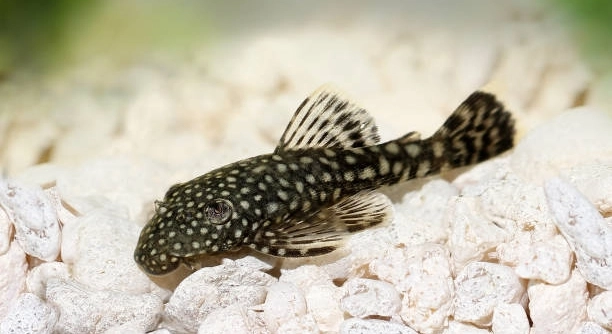
Plecos are fascinating aquarium fish with unique behaviors. One of the most interesting events in their life cycle is shedding slime. Recognizing the signs of this process can help ensure their well-being and comfort in your tank.
When a pleco is about to shed slime, there are a few key signs to look for. These include increased rubbing against surfaces, changes in their behavior, and the presence of a slimy coating on their body. Understanding these signals can help you manage the shedding process.
Observing these signs will help you prepare for your pleco’s shedding process and keep their environment clean and healthy.
Signs Your Pleco Is Ready to Shed Slime
Plecos are known for their distinctive behavior and regular shedding of slime. This natural process often begins when they start rubbing against surfaces in the tank more frequently. This rubbing action helps them to shed the excess slime from their bodies. It’s important to monitor your pleco closely, as excessive slime buildup can sometimes indicate health issues.
When a pleco begins to shed slime, you might notice a slight change in their appearance. The body may appear slick, and the surface may look different compared to the usual smoothness. Their behavior will also change slightly as they may spend more time rubbing against rocks, plants, or the tank’s sides. This behavior is normal and typically indicates that the shedding process is underway.
It’s crucial to ensure that your pleco’s environment is clean and free from debris. Clean water helps prevent the accumulation of bacteria on their slime coat. If your pleco continues to shed slime for an extended period, it’s best to check the water conditions and make adjustments to ensure they are in a healthy environment.
What to Do When Your Pleco Starts Shedding
As your pleco begins the shedding process, make sure the water conditions are optimal. Poor water quality can lead to stress and complicate the shedding.
The water should have the right balance of temperature, pH, and cleanliness. Maintaining these conditions will help the pleco shed more easily and reduce the chances of skin irritation or infections. A good filtration system can also help by removing waste and toxins from the water, making the environment safer for your fish. Additionally, providing areas for your pleco to rub against can assist in the shedding process, such as smooth rocks or decorations. Keep an eye on their overall health to ensure the shedding is happening naturally and not due to external factors.
How to Identify If Your Pleco Is Shedding Slime
One of the easiest ways to identify if your pleco is shedding slime is by observing its behavior. When a pleco rubs against tank surfaces more frequently, this is a clear sign they are preparing to shed.
As the shedding process begins, you may notice a thin layer of slime appearing on your pleco’s body. The fish will seem to glide over rocks or plants, helping the slime come off. Their movement might become more active as they seek out surfaces to scrape against. This behavior is entirely normal and part of the process. Keeping the water clean during this time is essential to avoid any bacterial growth on the slime.
It’s important to note that shedding slime is a natural process. However, if you see your pleco struggling or rubbing excessively, it could indicate an underlying issue like skin irritation or infection. Regular water changes and maintaining clean surfaces in the tank can help support your pleco during this time.
Maintaining Water Quality for a Healthy Pleco
Maintaining clean water is crucial for your pleco’s overall health, especially during the shedding process. Water quality directly impacts how well your pleco will shed its slime.
A good filtration system will remove excess waste and harmful chemicals from the tank. Regular water changes will also help keep the water conditions in check. Ideal water parameters include stable temperature, pH, and low ammonia or nitrite levels. Poor water conditions can cause stress, which may make the shedding process more difficult for your pleco. Keeping an eye on these factors ensures that your pleco has a healthy environment to shed in.
Additionally, it’s a good idea to monitor the water’s hardness. Plecos are sensitive to extreme shifts in hardness levels, and if the water is too hard or soft, it could lead to complications. This balance allows for better shedding and reduces the risk of injury or infection.
The Importance of Tank Decorations for Shedding
Tank decorations can play a significant role in your pleco’s shedding process. By providing smooth rocks or plants, you help create surfaces for your pleco to rub against.
These surfaces allow the pleco to naturally shed its slime more easily. Having the right decorations can reduce stress during the process and support their overall health.
Without proper surfaces, your pleco might struggle to shed, leading to excess slime buildup. Ensuring there are sufficient rubbing spots in the tank makes the shedding process smoother and helps keep your pleco active and comfortable.
Recognizing Signs of Over-Shedding
Over-shedding is something to be cautious about, as it can indicate stress or poor water conditions. If your pleco sheds too frequently or for extended periods, it may be an alarm sign.
Constant or excessive slime shedding may occur if the water temperature is fluctuating or the water quality has worsened. This can cause your pleco’s skin to feel irritated. Make sure to regularly test the water parameters to maintain the right balance for your pleco.
Frequent over-shedding should be addressed by improving the tank environment or consulting a veterinarian if symptoms persist.
Pleco Health During the Shedding Process
It’s essential to monitor your pleco’s health during the shedding process. While shedding slime is natural, it’s important that your fish is not showing signs of distress or illness.
Watch for behaviors like constant rubbing or rubbing on rough surfaces, which may indicate irritation. These signs can be worsened by poor water quality or stressful tank conditions. If these issues are noticed, taking immediate action by improving the tank environment can help avoid further complications.
FAQ
Why is my pleco rubbing against objects in the tank?
Rubbing is a natural behavior for plecos when they are shedding slime. They do this to help remove the excess slime from their bodies. The action is normal and usually means your pleco is preparing to shed. However, if this behavior is excessive, it may indicate other health issues or stress due to water conditions.
How often do plecos shed slime?
Plecos don’t shed slime on a daily basis, but it’s a regular occurrence, particularly during periods of growth or environmental change. On average, they may shed every few weeks, but it can vary depending on their size, diet, and water conditions. It’s important to monitor their behavior for signs of excessive shedding.
Can poor water conditions cause my pleco to shed more slime?
Yes, poor water conditions can increase the shedding frequency. When the water quality is low, plecos can experience stress, which can lead to more shedding. Ensuring that the water has proper filtration, temperature, and pH balance is crucial to minimize excess slime production and maintain your pleco’s health.
Is slime shedding harmful to plecos?
Slime shedding itself is not harmful and is a natural part of the pleco’s life cycle. However, if a pleco is shedding excessively or struggling to shed, it could indicate an underlying issue, such as stress or poor water quality. Monitoring the health of the fish and the tank environment is essential.
How can I help my pleco during the shedding process?
To help your pleco, maintain clean water conditions and ensure it has smooth surfaces to rub against. Tank decorations like rocks, smooth plants, and driftwood can help them shed more easily. Regular water changes and maintaining the right temperature and pH are also essential for reducing stress during the shedding process.
What should I do if my pleco is shedding too much slime?
If your pleco is shedding too much slime, it may be a sign of stress or poor water conditions. Check the water parameters such as temperature, pH, and ammonia levels. Perform water changes, and ensure the pleco has areas to rub against for proper shedding. If the problem persists, consulting a veterinarian or an aquarium expert is recommended.
Can plecos get infections from shedding slime?
While shedding slime itself doesn’t typically cause infections, dirty or poor-quality water can make your pleco more vulnerable to infections. If the tank conditions are not optimal, bacteria or fungi can thrive, potentially leading to skin irritation or infections. Keep the water clean and monitor for any signs of distress.
Do plecos shed slime every time they grow?
Not every growth period results in slime shedding, but it is common for plecos to shed slime when they grow. This is especially true when they are undergoing significant growth spurts. However, shedding can also occur during other times when the pleco needs to maintain its slime coat, such as when stressed or exposed to changes in water conditions.
Is there a way to stop my pleco from shedding slime?
Slime shedding is a natural process and cannot be completely stopped. However, you can reduce the frequency or stress associated with shedding by maintaining stable water conditions. This includes proper filtration, regular water changes, and ensuring your pleco has the appropriate tank environment to support healthy shedding.
How do I know if my pleco is stressed?
Signs of stress in plecos include excessive rubbing against surfaces, erratic swimming behavior, loss of appetite, or hiding more than usual. Stress can be caused by poor water quality, overcrowded tank conditions, or changes in their environment. Reducing stress is crucial for their overall well-being and will help in managing slime shedding.
Can I use aquarium salt to help with shedding?
Aquarium salt can be helpful in some cases for general health and recovery, especially if there’s a risk of infection. However, it’s not necessary for slime shedding. Overuse of salt can stress your pleco further. If your pleco is shedding slime normally and not showing signs of illness, it’s best to avoid using salt.
Final Thoughts
Shedding slime is a completely natural process for plecos, and it typically poses no harm to their health. It is simply part of their growth cycle and behavior. During shedding, the pleco’s slime coat helps protect its skin from bacteria and parasites. By shedding, they maintain a healthy, protective layer. While it can seem unusual or concerning at first, it is important to remember that your pleco is simply going through a regular process. As long as the tank environment is clean and the water conditions are stable, the shedding should occur without any complications.
Keeping the tank in optimal condition is crucial to supporting the pleco during this time. Clean water, proper filtration, and appropriate tank decorations are all essential to reducing stress. Smooth surfaces like rocks or plants help the pleco shed its slime more easily, which can prevent unnecessary buildup. Additionally, maintaining stable water parameters, including temperature, pH, and hardness, will reduce the risk of stress and potential health problems for your fish. Monitoring the water regularly is key to ensuring that your pleco remains comfortable and healthy throughout the shedding process.
It’s also important to watch for signs of over-shedding or distress, as this can indicate a problem. If your pleco is rubbing excessively or shedding unusually often, it could signal an issue with the water quality, the tank environment, or even an underlying health problem. In such cases, adjusting the water conditions and making sure the tank is appropriately decorated will likely help resolve the issue. If symptoms persist, consulting with an aquarium expert or veterinarian can provide further guidance. Overall, understanding the natural behavior of your pleco and taking the necessary steps to create a healthy environment will ensure they shed safely and thrive.

Hello,
If you enjoy the content that we create, please consider saying a "Thank You!" by leaving a tip.
Every little bit helps us continue crafting quality advice that supports the health, happiness, and well-being of pets around the world, for pets of all shapes, sizes, and species.
We really appreciate the kindness and support that you show us!