
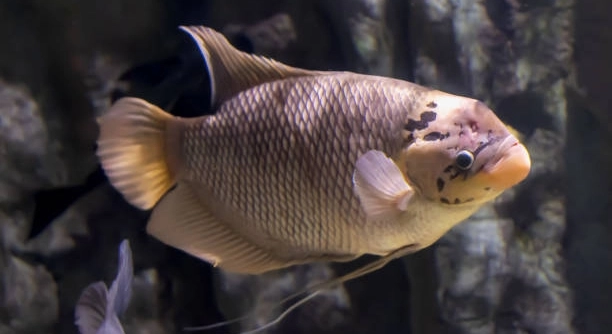
Gouramis are popular aquarium fish known for their calm nature and vibrant colors. However, they can become overstimulated due to environmental factors or excessive interaction. Recognizing this early helps maintain their well-being and comfort.
Overstimulation in gouramis typically manifests through rapid gill movement, erratic swimming, color fading, fin clamping, hiding behavior, loss of appetite, and increased aggression. These signs indicate stress from too much sensory input or unsuitable tank conditions.
Knowing these symptoms can help you create a healthier environment for your gourami. Keeping a close eye on their behavior ensures they remain peaceful and thrive in your aquarium.
Recognizing Rapid Gill Movement and Erratic Swimming
Rapid gill movement is one of the earliest signs that a gourami may be overstimulated. When stressed, their breathing rate speeds up as they try to take in more oxygen. This can happen if the water quality is poor or if the tank has too many sudden noises or bright lights. Along with rapid gill movement, erratic swimming is common. You might notice your gourami darting around quickly, bumping into objects, or swimming in strange patterns. This behavior shows that the fish is unsettled and trying to escape discomfort. Over time, these signs can worsen if the source of stress isn’t addressed, impacting the fish’s health. Monitoring your gourami’s movements closely allows you to spot these early changes and take action before things get worse.
These behaviors are clear indicators that your gourami needs a calmer environment.
Maintaining stable tank conditions is essential to reduce overstimulation. Keeping the water clean and stable, reducing loud noises near the tank, and avoiding sudden changes in lighting all help. You may also want to provide plenty of hiding spots using plants or decorations. This gives the gourami a safe place to retreat when it feels overwhelmed. Avoid tapping the glass or overcrowding the tank with too many fish. Regular water testing helps catch issues early, so your gourami’s gills aren’t forced to work harder than necessary. Small adjustments like these can greatly improve your fish’s comfort and reduce the chance of overstimulation.
Color Fading and Fin Clamping
Color fading in gouramis usually happens when they feel stressed or uncomfortable. Their bright colors become dull or pale, signaling that something is wrong in their environment.
Fin clamping is another sign where the fish keeps its fins tight against the body instead of spreading them out naturally. This posture shows tension and distress.
Both color fading and fin clamping indicate that your gourami is reacting to stress factors around it. These may include water temperature fluctuations, poor water quality, or constant disturbances. When the fish feels overstimulated, its immune system can weaken, making it more prone to illness. Paying attention to these signs early helps prevent further health problems. If you notice fading colors or clamped fins, check the tank’s conditions right away. Making sure the water parameters match the species’ needs and minimizing disruptions will encourage your gourami to relax and regain its vibrant appearance. Providing a quiet and stable environment helps restore their natural behavior and colors.
Hiding Behavior
When a gourami suddenly starts hiding more than usual, it may be overstimulated. This behavior is a way for the fish to avoid stress and protect itself.
Hiding can happen when there is too much activity around the tank or if the fish feels threatened by other tank mates. Gouramis are naturally shy, but a noticeable increase in hiding suggests discomfort. They often retreat behind plants or decorations to feel safer. While some hiding is normal, constant avoidance means the environment may need adjustment.
Reducing sudden movements near the tank, lowering noise levels, and providing more shelters can help your gourami feel secure. Sometimes, overcrowding causes stress, so make sure the tank isn’t too full. A calm, quiet space encourages your fish to come out and behave naturally again.
Loss of Appetite
A sudden drop in appetite often signals that your gourami is stressed or overstimulated. This change can happen quickly when conditions in the tank are not ideal.
Loss of appetite weakens the fish and slows down its growth. It might avoid food or show little interest during feeding time. Stress from poor water quality, overcrowding, or constant disturbances can cause this behavior. Monitoring feeding habits is important to catch problems early. If your gourami stops eating, testing the water and observing tank conditions should be a priority. Adjusting the environment to reduce stress usually helps restore normal feeding. Offering varied, high-quality food can also encourage the fish to eat again and regain strength.
Increased Aggression
Gouramis that are overstimulated may suddenly become aggressive toward other fish. This behavior is a sign of stress and discomfort in their environment.
Aggression can include chasing, nipping, or flaring fins. It’s important to address this quickly to prevent injury to other tank mates and reduce stress for all fish involved.
Overstimulation from Excessive Handling
Frequent handling or tapping on the glass can cause gouramis to become overstimulated. These fish prefer calm and stable surroundings without constant disturbance.
Handling stresses the fish, causing them to hide or act nervously. It is best to minimize interaction and let the fish feel safe on their own time.
Maintaining a Calm Environment
A calm environment reduces overstimulation and helps gouramis stay healthy and happy. Limit sudden noises, bright lights, and overcrowding to create a peaceful tank space.
How can I tell if my gourami is overstimulated or sick?
Overstimulation and illness can show similar signs like hiding, loss of appetite, or color changes. However, overstimulation usually involves behaviors linked to stress from the environment, such as erratic swimming or aggression. Illness often comes with physical symptoms like white spots, swollen areas, or lethargy. Checking water quality and tank conditions helps determine if the problem is stress-related. If physical symptoms persist or worsen, a health issue may be the cause, and a closer look or expert advice is necessary.
What causes overstimulation in gouramis?
Common causes include loud noises, constant tapping on the tank, too much light, poor water quality, overcrowding, and sudden changes in temperature. Overhandling or frequent rearranging of the tank also stresses gouramis. These factors overwhelm the fish’s senses, leading to stress responses. Keeping a stable, calm environment with proper water conditions is key to preventing overstimulation.
How do I reduce overstimulation in my gourami’s tank?
Start by creating hiding places with plants or decorations. Keep noise and light levels low, avoid tapping the glass, and limit how often you disturb the tank. Test water regularly to maintain clean, balanced conditions. Avoid overcrowding and provide a consistent feeding schedule. Making these changes helps your gourami feel secure and less stressed.
Can overstimulation cause long-term health problems?
Yes, ongoing overstimulation weakens a gourami’s immune system, making it more vulnerable to infections and diseases. Chronic stress can lead to poor growth, reduced lifespan, and behavioral problems. Early intervention to reduce stress is important to protect your fish’s health over time.
How quickly can a gourami recover from overstimulation?
Recovery time varies depending on the severity and how quickly changes are made. Some gouramis may improve within days after reducing stress, while others might take weeks to return to normal behavior and color. Consistency in maintaining a calm environment speeds up recovery.
Is it okay to separate an overstimulated gourami from other fish?
Temporarily separating your gourami can help if other fish are causing stress through aggression or competition. Use a quarantine or isolation tank with similar water conditions to avoid sudden changes. Once the gourami calms down, reintroducing it gradually helps prevent renewed stress.
What should I feed a stressed gourami?
Offer high-quality, varied foods such as flakes, pellets, and occasional live or frozen treats like brine shrimp or bloodworms. Nutrient-rich food supports the immune system and helps the fish regain strength. Feed small amounts more frequently if the gourami is not eating well at first.
Can changes in water parameters overstimulate gouramis?
Yes, fluctuations in temperature, pH, ammonia, nitrite, or nitrate levels can stress gouramis. They prefer stable water with temperatures around 74–82°F (23–28°C) and a pH between 6.0 and 7.5. Regular testing and careful adjustments keep water safe and comfortable.
How often should I check on my gourami to avoid overstimulation?
Daily observation is best. Watch for changes in behavior, appetite, and appearance. Checking water quality weekly helps catch problems early. Gentle monitoring lets you spot stress signs before they become serious.
Are certain gourami species more prone to overstimulation?
Some gourami species are more sensitive due to their temperament or size. Dwarf gouramis, for example, are known to be more delicate and prone to stress. Understanding your specific species’ needs helps tailor care to prevent overstimulation.
Does tank size affect overstimulation in gouramis?
Yes, smaller tanks can increase stress due to limited space and faster buildup of waste. Providing at least 20 gallons for a single gourami is recommended to allow enough room for swimming and hiding, reducing the chances of overstimulation.
Can tank mates influence gourami overstimulation?
Aggressive or overly active tank mates can cause stress. Choosing peaceful species that tolerate gouramis helps maintain harmony. Avoid overcrowding, as too many fish competing for space and food raises stress levels.
What signs mean it’s time to seek professional help for my gourami?
If you notice persistent lethargy, physical wounds, unusual spots, severe color loss, or ongoing refusal to eat, it’s time to consult a vet or aquarium specialist. Early professional advice can prevent worsening conditions and save your fish.
Can using a tank cover reduce overstimulation?
A tank cover helps control light levels and prevents sudden disturbances from outside. It creates a stable environment by reducing external stimuli, which can calm an overstimulated gourami. Just ensure there’s enough ventilation for good oxygen flow.
How important is routine maintenance for preventing overstimulation?
Routine maintenance like regular water changes, filter cleaning, and monitoring water parameters is crucial. It keeps the tank stable and healthy, reducing stress factors that lead to overstimulation. Consistency in care makes a big difference in your gourami’s comfort and well-being.
Final Thoughts
Taking care of gouramis means paying close attention to their behavior and environment. Overstimulation can easily happen when their surroundings are too noisy, crowded, or unstable. This can make the fish stressed, causing problems like rapid breathing, hiding, or aggression. By understanding these signs early, you can make changes that help your gourami feel safe and comfortable again. Simple steps like keeping the water clean, providing hiding places, and reducing sudden noises can make a big difference.
It’s important to remember that every gourami is different. Some may be more sensitive to changes in the tank or interactions with other fish. Keeping a calm and steady environment helps all your fish stay healthy. Regularly checking water quality and watching how your gourami behaves are good habits to develop. If you notice unusual changes, it’s better to act quickly rather than wait. Small adjustments often prevent bigger health issues down the line.
Finally, caring for your gourami is about balance. Providing the right space, clean water, and a peaceful tank will support its natural behavior and happiness. When a gourami is not overstimulated, it shows in its vibrant colors, active swimming, and good appetite. Staying patient and consistent with care helps build a strong, healthy fish that enjoys its home. Your efforts create a better life for your gourami and make your aquarium a more enjoyable place to watch.

Hello,
If you enjoy the content that we create, please consider saying a "Thank You!" by leaving a tip.
Every little bit helps us continue crafting quality advice that supports the health, happiness, and well-being of pets around the world, for pets of all shapes, sizes, and species.
We really appreciate the kindness and support that you show us!