
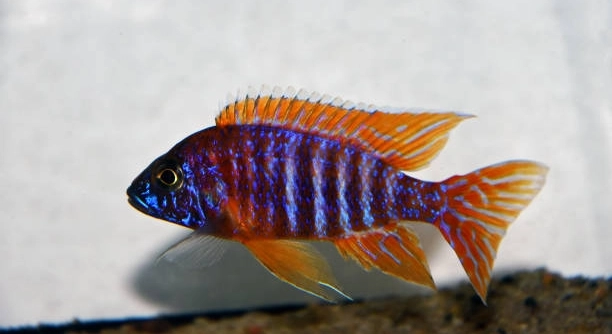
Cichlids are fascinating fish that often form strong bonds with their partners. Watching them interact can be calming, but sometimes their behavior changes. Noticing these shifts early can help prevent stress and maintain a healthy aquarium environment.
Cichlid pairs breaking up often show clear signs such as increased aggression, reduced cooperation in territory defense, separation during feeding, lack of shared nest building, and changes in body coloration or fin displays, indicating a disruption in their established social bond.
Learning to recognize these behaviors early allows you to intervene and maintain harmony in your tank, keeping both your fish and the environment healthy and balanced.
Signs of Increased Aggression
When a cichlid pair starts to break up, one of the first noticeable changes is aggression. You may see them chasing each other more often or nipping fins during feeding times. This behavior can escalate if they are forced into close quarters without enough hiding spots. Aggression may also appear as guarding territory more aggressively than usual, even toward areas they previously shared. Observing this behavior carefully helps you understand the dynamics between the two fish. Stress levels rise when aggression is frequent, which can affect their health. Providing separate spaces or rearranging decorations can sometimes reduce tension. Sometimes one fish retreats to a corner or hides behind rocks more often, signaling discomfort. Watching for these subtle changes early can prevent injuries and make it easier to manage the tank. The signs may appear gradually, so paying close attention every day is important.
Increased aggression between a cichlid pair often indicates a weakening bond and can predict potential separation or social instability.
This change affects feeding and resting patterns, making it clear something is wrong.
Separation During Feeding
Cichlids that are losing their bond often stop eating together. One fish may rush to food while the other waits or swims away. This behavior shows a lack of coordination that was once natural. Over time, the fish may choose different areas of the tank during mealtimes, signaling growing distance. Feeding separately can also increase stress, especially if one fish becomes territorial over food.
Watching their eating patterns helps determine the level of disruption in the pair. Sometimes they may even refuse to approach certain areas where the other is present. This change is a strong indicator of relationship decline. Maintaining separate feeding spots or scheduling meals at different times can reduce conflict and protect their health. Tank decorations and hiding spots should be arranged to allow both fish access without forcing interaction. Understanding these feeding behaviors provides insight into their bond and helps prevent further tension or injury as separation progresses naturally.
Reduced Nesting Behavior
Cichlid pairs breaking up often stop building or maintaining nests together. One or both may abandon the nest completely, leaving eggs or territory unattended. This signals a breakdown in cooperation that was once consistent. Nesting patterns are a key indicator of pair stability.
When cichlids start avoiding their shared nest, it reflects growing disinterest or conflict between them. Previously, both would guard and clean the area, keeping it safe for eggs or fry. A change in this behavior may show that one fish is becoming dominant while the other withdraws. Observing how often each fish visits the nest and their interactions there helps gauge the severity of the split. In some cases, one fish may attempt to claim a different part of the tank as a new nesting site, which can further strain their relationship. Timely observation and intervention can prevent stress-related injuries or egg loss.
Reduced nesting also affects reproduction. Eggs may be left vulnerable or never laid, and fry survival decreases. This can be particularly frustrating if you have been trying to breed them. Over time, the lack of cooperative care weakens the social structure of the pair. It can also lead to increased aggression as each fish seeks a new territory. Providing extra hiding spaces and monitoring interactions can help minimize conflict while keeping the fish healthy. Even small changes in nesting behavior are important warning signs that should not be ignored.
Changes in Body Color
Cichlids often display changes in body color when their bond is weakening. One or both may lose vibrant colors or develop darker patches. This is a stress response and a clear signal of social disruption.
Color changes occur gradually and reflect emotional and physical stress. In healthy pairs, colors remain bright, indicating comfort and mutual trust. When a fish feels threatened or disconnected from its partner, pigmentation may fade or shift. Stress hormones affect coloration, making previously bold markings duller. Observing these subtle shifts daily helps track the pair’s stability. Sometimes, one fish’s color changes more dramatically than the other, signaling withdrawal or dominance. Tank lighting, water quality, and diet can also influence color, but persistent changes linked to behavior are a strong indicator of bond breakdown.
Stress from separation, aggression, or feeding conflicts can further impact coloration. If one fish retreats often or avoids the other, it may display muted or blotchy patterns. These visual signals provide important insight into the relationship dynamics. Adjusting tank conditions, such as improving hiding spots or reducing territorial pressure, can help mitigate stress. Consistent monitoring ensures early detection, giving you the chance to support the fish before more serious health or social issues arise. Understanding these color changes makes it easier to manage your cichlids’ environment effectively.
Avoiding Physical Contact
Cichlid pairs breaking up often avoid touching each other. They may swim past without brushing fins or sharing space. This distance is a sign that the bond is weakening and trust between them is declining.
Even small movements matter. If one fish suddenly refuses to nuzzle or swim close, it reflects growing discomfort. This avoidance can increase tension and make interactions more unpredictable.
Loss of Cooperative Defense
Pairs that are drifting apart no longer defend territory together. One fish may chase intruders alone, leaving the other behind. Shared vigilance disappears, making the tank feel less secure.
When territory defense becomes one-sided, the balance of power changes. Previously coordinated efforts to guard rocks, caves, or open spaces stop, leading to stress and vulnerability. This imbalance may escalate conflicts with other fish or make one fish overly dominant. Observing how each cichlid responds to intruders can reveal the strength of their bond. Adjustments to decorations or providing separate zones can reduce confrontations and help maintain stability.
Hiding More Often
One or both cichlids may spend more time hiding. Retreating into caves or behind plants signals stress and a lack of comfort with the other fish.
Less Interaction During Rest
Pairs breaking up often rest separately. They no longer sleep side by side or share safe spots, showing a decline in companionship.
FAQ
How can I tell if my cichlid pair is permanently breaking up?
Permanent separation is usually marked by ongoing aggression, consistent avoidance, and loss of shared behaviors like feeding together or defending territory. If these behaviors continue for several weeks despite stable tank conditions, it is likely the pair has truly split. Temporary disagreements may look similar, but persistence is key.
Can changes in tank conditions cause breakup behaviors?
Yes. Poor water quality, incorrect temperature, or overcrowding can stress cichlids and lead to aggressive or avoidant behavior. Even minor changes in lighting or decorations can disrupt routines, making previously bonded fish act distant or hostile. Maintaining stable, clean conditions reduces stress and helps preserve pair bonds.
Is one fish always at fault when a pair breaks up?
Not necessarily. Both fish can contribute to the breakdown. Changes in health, dominance, or personality differences can influence interactions. Observing patterns over time is important before concluding that a single fish is responsible for the split.
Will separating them prevent injuries?
Yes, separating aggressive or stressed fish can prevent fin damage, wounds, or more serious harm. Providing separate areas or even a divided tank allows each fish to feel secure while reducing conflict, especially if aggressive behavior has escalated.
How does breeding affect a pair’s stability?
Breeding can strengthen or strain bonds. Some pairs grow closer, working together to protect eggs or fry. Others may become territorial or overly protective, increasing stress. If one fish abandons the nest or stops cooperating, it often signals the start of a breakup. Monitoring nesting and egg care is essential.
Can diet influence behavior?
Yes. Poor nutrition can reduce energy, affect coloration, and increase irritability. A balanced diet helps fish maintain normal behavior and vibrant colors, which are important cues for bonding. Feeding high-quality food appropriate for your species supports both physical and social health.
What signs show stress in cichlids besides aggression?
Stress may appear as faded colors, rapid gill movement, hiding, or loss of appetite. Fish may also isolate themselves or avoid previously shared spaces. Recognizing these subtle signs early allows you to adjust tank conditions or separate the pair before serious conflict develops.
Is it possible to reunite a broken pair?
Reuniting pairs is sometimes possible if the cause of separation is addressed. Gradual reintroduction, proper tank arrangement, and reducing stressors can help. However, if personality conflicts or dominance issues are strong, permanent separation may be the safer option for their health.
Do different species of cichlids show breakup signs differently?
Yes. Behavior patterns vary by species. Some may show aggression first, while others retreat or lose color. Understanding the specific social behavior of your species helps identify early signs and manage separation more effectively.
How often should I monitor my cichlids for signs of breaking up?
Daily observation is best. Watching feeding, resting, and territorial behaviors helps detect subtle changes. Even small shifts in interaction patterns can indicate rising tension. Regular monitoring ensures you can intervene early and maintain a healthier, calmer tank environment.
Are environmental enrichments helpful for stressed pairs?
Yes. Adding caves, plants, and hiding spots allows fish to avoid conflict and reduces stress. Rearranging decorations periodically can also help by giving each fish its own territory. These adjustments support mental and physical well-being, even when a pair is drifting apart.
Can tank size affect a pair’s bond?
Absolutely. Small tanks can increase competition for space, intensifying aggression and withdrawal. Providing sufficient swimming areas and separate zones reduces stress and helps maintain peaceful interactions, even if the pair begins showing breakup behaviors.
When should I consider getting a new tank or fish?
If separation becomes permanent or one fish is consistently stressed or injured, a new tank or introducing compatible companions may be necessary. Always prioritize health and stress reduction over keeping a pair together at any cost.
How do I know if one fish is depressed after a breakup?
Signs include hiding constantly, loss of appetite, dull coloration, and lack of interaction. Supporting the fish with proper nutrition, hiding spots, and stable conditions can help improve recovery. Persistent signs may require intervention or relocation to reduce stress.
Can aggression toward other tank mates increase after a breakup?
Yes. A separated or stressed cichlid may redirect aggression toward other fish. Monitoring interactions and providing space for all tank mates is crucial to prevent injuries and maintain a balanced tank environment.
Are there long-term effects of a breakup on cichlids?
Chronic stress from separation can reduce lifespan, suppress immune function, and affect coloration. Managing stress, maintaining clean water, and providing secure spaces help mitigate long-term health issues, even after a pair has permanently separated.
Cichlids are fascinating fish, and their relationships can tell you a lot about their health and well-being. Observing a pair over time helps you notice changes in behavior, color, and interaction. When a pair starts to break up, the signs are often subtle at first, like slight avoidance during feeding or less coordinated territory defense. Over time, these small changes can become more noticeable, such as increased aggression, hiding more often, or stopping nest-building entirely. Understanding these behaviors is important for keeping your fish healthy and reducing stress in the tank. Paying attention to details like body color, activity level, and how they respond to each other gives insight into the state of the pair’s bond.
Managing a pair that is breaking up requires careful observation and sometimes intervention. Providing hiding spots and rearranging tank decorations can help reduce tension and allow each fish to feel safe. Feeding in separate areas or adjusting schedules can prevent conflicts and make meals less stressful. In some cases, permanent separation may be the best option, especially if aggression or stress is high. While it can feel disappointing to see a bond break, focusing on each fish’s well-being ensures that they stay healthy and comfortable in their environment. Monitoring their health, maintaining clean water, and providing a balanced diet are essential steps during this time. Even small changes in behavior can indicate stress, so daily observation is important to respond quickly.
A breakup does not mean the end of a fish’s happiness or social life. Many cichlids can adapt to new tank arrangements, new companions, or simply having more personal space. Observing their behavior over time helps you create a calm and safe environment. Understanding the early signs of a weakening bond gives you the tools to support the fish before serious problems develop. Taking action when needed, whether by adjusting the tank or providing extra care, can prevent injuries and reduce stress. By staying attentive and proactive, you help your cichlids maintain good health and a stable, comfortable home, even if their pair bond has changed or ended.

Hello,
If you enjoy the content that we create, please consider saying a "Thank You!" by leaving a tip.
Every little bit helps us continue crafting quality advice that supports the health, happiness, and well-being of pets around the world, for pets of all shapes, sizes, and species.
We really appreciate the kindness and support that you show us!