
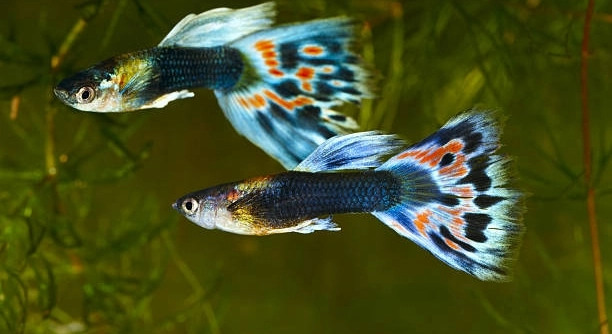
Are your guppies not growing as quickly as you’d like? Supporting guppy growth is essential for healthy, thriving fish. There are a few key factors that can make a big difference in how fast they grow and develop.
Providing proper care, nutrition, and environment are essential for optimal guppy growth. Regular water changes, high-quality food, and a stable environment help ensure healthy, fast growth. Consistent care allows guppies to reach their full potential size and health.
Understanding these simple yet crucial factors will help you ensure your guppies grow quickly and healthily. Keep reading to learn how to support their growth more effectively.
Proper Feeding Habits for Healthy Guppy Growth
Guppies need a well-balanced diet to grow properly. Feeding them the right foods ensures they get all the necessary nutrients for development. Choose high-quality fish flakes or pellets, and supplement their diet with live or frozen foods like brine shrimp and daphnia. Guppies are small, so feed them small amounts two to three times a day. Avoid overfeeding, as it can lead to water contamination, which harms their growth. Additionally, make sure the food you provide is appropriate for their size and age.
Proper feeding promotes healthy growth. A varied diet helps guppies develop vibrant colors and strong fins. Be consistent with feeding times to avoid stress and encourage healthy growth patterns.
Make sure to adjust their food intake as they grow. Younger guppies need more frequent feedings than adults. Monitoring their eating habits will help you provide the right amount of nutrition, promoting strong and steady growth.
Maintain a Clean Tank Environment
A clean tank is essential for the well-being of your guppies. Regular water changes keep toxins at bay, providing a healthy living space for the fish. Use a reliable filtration system to keep the water clear, reducing the need for frequent manual cleaning.
Water quality has a direct impact on guppy growth. Ensure the tank has stable parameters, such as temperature, pH, and ammonia levels. Consistently good water conditions help avoid stress and promote rapid growth.
Keep the tank clean by removing uneaten food and any debris from the bottom. Perform weekly water changes of 20-25% to keep the environment fresh and free of harmful bacteria. This routine prevents diseases, allowing your guppies to grow quickly and remain healthy.
Ideal Water Temperature for Guppy Growth
Guppies thrive in water temperatures between 72°F and 82°F. Consistent temperatures help maintain their health and growth rate. Use a reliable aquarium heater to keep the water within this range, as fluctuations can stress them out and slow down their growth.
If the water is too cold, it can slow down their metabolism, resulting in stunted growth. Too hot, and the water may lose oxygen, which affects their development. Keeping the temperature stable within the recommended range ensures your guppies stay active and healthy, allowing them to grow faster.
Regularly check the water temperature with a thermometer to avoid issues. If the temperature fluctuates too much, it could lead to illness or stress, both of which hinder growth. Stable water conditions are essential to a happy, healthy guppy.
Proper Tank Size for Guppy Growth
A spacious tank is essential for guppy growth. Guppies need enough space to swim around freely and maintain good health. A tank that is too small will result in overcrowding, which leads to stress and slower growth.
A 10-gallon tank is the minimum recommended size for a small group of guppies. More space means more room for guppies to explore, reducing stress and promoting better growth. It also helps maintain water quality, as larger tanks are easier to manage.
Consider adding live plants or decorations to create hiding spots, as this also helps reduce stress. With more space, your guppies will feel safer and grow more efficiently.
Proper Lighting for Guppy Growth
Guppies need a consistent light cycle to thrive. Aim for 10-12 hours of light each day, mimicking natural day and night cycles. This helps regulate their internal clocks and keeps them healthy.
Too much light can encourage algae growth, while too little light can cause stress and hinder growth. Ensure the tank gets a balance of light to support guppy activity and overall well-being.
Proper lighting also enhances their color and energy, making your guppies look vibrant and active. A timer can help maintain a steady light schedule without overexposing them to light.
Good Tank Mates for Guppy Growth
Choosing compatible tank mates is important for guppy growth. Avoid aggressive fish that can stress guppies or eat their food. Peaceful species, like tetras or snails, are good companions.
A calm environment reduces stress, allowing guppies to focus on growing. Stress negatively affects their immune system and can slow development.
Tank mates that don’t compete for food or territory allow guppies to thrive. Keep an eye on interactions to ensure they’re living in a stress-free, peaceful environment.
FAQ
What is the best food for guppy growth?
A varied diet is key to supporting guppy growth. High-quality fish flakes or pellets provide essential nutrients, but adding live or frozen foods, such as brine shrimp, daphnia, or bloodworms, helps speed up growth. Guppies need protein for strong muscles and development, so supplement their regular diet with these high-protein foods. Be sure to feed small portions two to three times a day. Overfeeding can cause health problems and poor water quality, which in turn affects growth.
How often should I feed my guppies?
Guppies should be fed small amounts 2-3 times per day. It’s best to feed them only what they can consume in a few minutes. This routine helps maintain good water quality, preventing overfeeding. Young guppies may need more frequent feedings, while adults can stick to a more regular schedule. A varied diet is crucial for their growth, as it helps provide a balanced intake of nutrients, ensuring they grow strong and healthy. Stick to a regular feeding schedule to avoid unnecessary stress.
Can I use aquarium plants to help guppies grow?
Yes, aquarium plants not only improve the aesthetic of the tank, but they also contribute to guppy health and growth. Plants provide shelter and hiding spots for guppies, reducing stress and offering a more natural environment. They also help oxygenate the water and maintain water quality, which is crucial for fish growth. Live plants can also absorb excess nutrients in the water, which keeps it cleaner and reduces the chances of algae bloom. Plants like java moss and anubias are popular choices that can thrive in guppy tanks.
How can I prevent diseases that may stunt guppy growth?
To keep your guppies healthy, maintain clean water and avoid overcrowding, as both can increase the risk of disease. Regular water changes, proper filtration, and consistent temperature are crucial. Quarantining new fish before introducing them into the tank prevents the spread of disease. Be mindful of symptoms like lethargy, abnormal swimming, or loss of color, which can indicate illness. If you notice any of these signs, separate the sick fish from the healthy ones and seek treatment immediately. Keeping your tank clean and following good care practices helps ensure your guppies grow without interruptions from disease.
Do guppies need a heater in their tank?
Yes, guppies are tropical fish and require a heater to maintain a consistent water temperature between 72°F and 82°F. If the temperature fluctuates too much, it can cause stress, weaken their immune systems, and stunt growth. Invest in a reliable aquarium heater and thermometer to monitor the water’s temperature. A stable environment helps promote healthy and steady growth, as guppies can better digest food and metabolize nutrients at the right temperature. Without a heater, the water may become too cold, slowing down their growth and making them more vulnerable to illness.
How long does it take for guppies to reach full size?
Guppies grow relatively quickly, with most reaching their adult size in about 3 to 4 months. However, the exact growth time can depend on factors like water quality, diet, and tank size. Males tend to remain smaller than females, with males generally reaching about 1.5 inches, while females can grow up to 2.5 inches. Proper care, including good nutrition and water conditions, can help your guppies reach their full size faster. If they are not growing as expected, it may be worth checking their diet, water quality, and tank mates to ensure there are no underlying issues.
Should I trim my guppy’s fins for better growth?
It is not necessary to trim your guppy’s fins. In fact, trimming their fins can be harmful and lead to infections or stress. Guppies’ fins naturally grow as they age, and cutting them can interfere with their overall health and growth. However, if a fin is damaged due to fighting or another issue, consult a veterinarian or an aquarium expert for advice on proper care. Maintaining clean water and a peaceful environment will allow your guppies’ fins to grow and develop naturally, without the need for trimming.
Can I breed guppies to improve their growth rate?
Breeding guppies won’t directly improve their growth rate, but it can provide you with more young guppies to raise. Guppy fry grow quickly, especially when provided with proper care and nutrition. If you plan to breed them, make sure to separate the males and females to avoid overpopulation. Once the fry are born, offer high-quality food like crushed fish flakes or specialized fry food, which will help them grow faster. Keep the water clean and at the right temperature to give the fry the best chance for healthy development.
Are there any tank conditions that will stunt guppy growth?
Yes, poor water quality, overcrowding, incorrect temperature, and inadequate nutrition can all stunt guppy growth. Guppies need clean, well-maintained water with proper filtration and regular changes to prevent toxins from building up. The water should be within the ideal temperature range of 72°F to 82°F, and the pH should be stable at around 7.0-8.0. Overcrowding can lead to stress and competition for food, both of which slow down growth. Lastly, feeding a varied and balanced diet ensures they receive all necessary nutrients for proper development.
Final Thoughts
Supporting guppy growth requires attention to their environment, diet, and overall care. By ensuring that your guppies have a clean and stable tank, with proper water temperature and quality, you can promote their healthy development. Keeping the tank free of harmful substances like ammonia and nitrates is crucial for preventing stunted growth or illness. Regular water changes, good filtration, and monitoring water parameters will help your guppies thrive.
Nutrition also plays a significant role in their growth. Offering a balanced diet with high-quality fish food and supplementing it with live or frozen foods will give your guppies the necessary nutrients to grow quickly and stay healthy. Be mindful not to overfeed, as this can lead to water pollution and other health issues. Feeding small amounts multiple times a day ensures your guppies get the nutrition they need without overloading the tank with uneaten food.
Lastly, providing enough space for your guppies to swim and reducing stress are essential for their well-being. A spacious tank with peaceful tank mates will help them grow without the added strain of competition or overcrowding. Guppies, like any fish, need time to adjust to their surroundings, and a calm, supportive environment can make all the difference in their growth. Keep an eye on your guppies, and with consistent care and proper conditions, they’ll reach their full potential.

Hello,
If you enjoy the content that we create, please consider saying a "Thank You!" by leaving a tip.
Every little bit helps us continue crafting quality advice that supports the health, happiness, and well-being of pets around the world, for pets of all shapes, sizes, and species.
We really appreciate the kindness and support that you show us!