
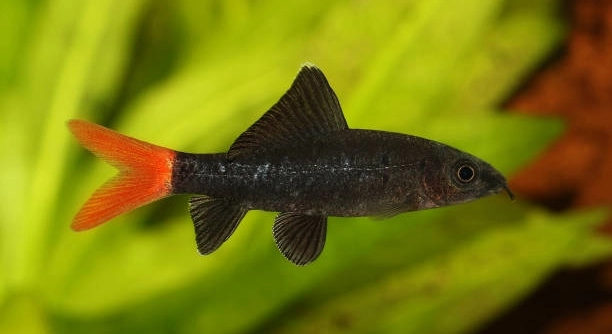
Rainbow sharks are popular aquarium fish known for their vibrant colors and active behavior. Many owners enjoy watching them swim but sometimes notice damage to their fins. Understanding why this happens can help maintain their health and appearance.
Rainbow shark fin damage often results from stress, poor water conditions, aggressive tank mates, or improper diet. Ensuring a clean tank, suitable companions, and balanced nutrition are essential steps to prevent fin deterioration and promote healing.
Proper care and attention to their environment will keep rainbow sharks healthy and reduce fin damage over time. This article covers practical ways to protect their fins effectively.
Maintain Optimal Water Quality
Keeping the water clean is essential for your rainbow shark’s fin health. Dirty water can cause stress and infections, which lead to fin damage. Regular water changes help remove harmful waste and toxins. Test the water often to keep ammonia, nitrites, and nitrates at safe levels. Use a good filtration system to maintain water clarity and oxygen levels. Avoid overcrowding the tank, as this can worsen water quality and increase aggression. Make sure the temperature stays stable between 72°F and 79°F, as sudden changes can stress the fish. Clean the tank decorations and substrate regularly to prevent algae and bacteria buildup. Healthy water creates a better environment for your fish to thrive and heal if fins are damaged.
Routine water maintenance not only protects your fish’s fins but also supports overall health and vitality. Simple steps can make a big difference.
Regular water testing and timely cleaning will ensure your rainbow shark stays in a safe, comfortable environment, reducing fin issues caused by poor water conditions.
Choose Compatible Tank Mates
Tank mates can greatly impact your rainbow shark’s well-being. Aggressive or overly active fish may nip or chase, causing fin injuries. Choose peaceful species that occupy different tank levels to reduce conflict. Avoid fish with long fins that might tempt your shark to nip. Provide plenty of hiding spots and decorations to give your rainbow shark space to retreat when needed. Observe interactions carefully after introducing new fish to catch any signs of aggression early. A balanced community helps reduce stress and fin damage. Select species such as tetras, gouramis, or corydoras, which tend to coexist peacefully. Avoid keeping multiple rainbow sharks together unless the tank is very large, as they can become territorial. Compatibility is key to a harmonious tank and healthy fins.
Adding the right tank mates improves your rainbow shark’s quality of life. Thoughtful choices prevent fights and promote a calmer aquarium environment, which helps reduce fin damage. Proper planning before adding fish can save you trouble and keep your rainbow shark comfortable.
Provide a Balanced Diet
A balanced diet is crucial for rainbow sharks to maintain strong fins and overall health. Poor nutrition weakens their immune system and slows fin repair. Feed high-quality pellets designed for omnivores, supplemented with occasional live or frozen foods like bloodworms or brine shrimp.
Include vegetables such as blanched spinach or zucchini to add fiber and nutrients. Avoid overfeeding, as excess food pollutes the water and stresses the fish. Feed small amounts two to three times a day, allowing the shark to consume the food within a few minutes. This feeding routine supports healthy growth and fin condition, helping to prevent damage caused by nutritional deficiencies.
A proper diet strengthens your rainbow shark’s resilience against fin damage. Consistent, quality feeding ensures your fish stays active and recovers quickly if fin issues arise.
Reduce Stress Factors
Stress directly impacts fin health and behavior. Crowded tanks, poor water quality, and aggressive tank mates increase stress, leading to fin damage. Avoid sudden changes in temperature or lighting, which can unsettle your fish. Provide hiding spaces with plants or decorations to help your rainbow shark feel secure.
Maintain a calm environment with a steady routine. Minimize loud noises or vibrations near the aquarium. Observe your fish daily to catch early signs of stress such as hiding or erratic swimming. Reducing stress supports the immune system, allowing fins to heal faster and preventing further injury. A relaxed rainbow shark is less likely to damage its fins through aggressive or nervous behavior.
Avoid Sharp Decorations
Sharp or rough decorations can tear your rainbow shark’s fins. Use smooth rocks, driftwood, or plastic plants instead. Check all tank items for edges that might cause injury.
Remove or replace anything that looks harmful. A safe environment reduces accidental fin damage and keeps your fish comfortable.
Regular Health Checks
Monitor your rainbow shark closely for signs of fin rot or injury. Early detection allows prompt treatment, preventing worsening damage. Look for torn edges, discoloration, or frayed fins.
Maintaining a clean tank and good water quality helps prevent infections. If you notice signs of illness, act quickly to protect your fish’s fins and overall health.
Proper Tank Size
Rainbow sharks need ample space to swim and establish territory. A tank smaller than 30 gallons can lead to stress and aggression, increasing fin damage risk. A larger tank offers room for hiding spots and reduces conflicts.
Providing enough space improves behavior and health, keeping fins intact and your fish happier.
FAQ
How can I tell if my rainbow shark’s fins are damaged?
Damaged fins usually show signs like fraying, tears, or missing pieces. You might also notice discoloration or white edges along the fins. Sometimes, the fish may keep its fins clamped close to its body, which can indicate discomfort or stress. Watching your fish closely will help you spot these signs early and take action before the damage worsens.
What causes fin damage in rainbow sharks?
Fin damage often results from poor water quality, aggressive tank mates, or injuries caused by sharp decorations. Stress and nutritional deficiencies can also weaken fins, making them more vulnerable to tearing or infections. In some cases, bacterial or fungal infections cause fin rot, which damages the fin tissue over time if untreated.
How often should I clean my aquarium to prevent fin damage?
Regular cleaning is vital. Partial water changes of about 20-25% once a week help maintain water quality. Cleaning the filter monthly and removing uneaten food or waste daily will reduce toxins that harm fish. Keeping the tank clean prevents stress and infections that can lead to fin problems.
Can fin damage heal on its own?
Yes, minor fin tears or nicks can heal naturally if the environment is healthy and stress is minimized. Proper nutrition and clean water support recovery. However, severe damage or infections need treatment to prevent further deterioration. If the fins worsen or show signs of rot, medication may be necessary.
What foods help promote fin health?
Feeding a balanced diet rich in proteins, vitamins, and minerals is essential. High-quality pellets designed for omnivores, supplemented with live or frozen foods like bloodworms, brine shrimp, or daphnia, provide necessary nutrients. Vegetables like spinach or zucchini add fiber and vitamins. Avoid feeding only flakes or low-quality food, as this can weaken the immune system and fins.
Are rainbow sharks aggressive toward their own kind?
Yes, rainbow sharks can be territorial and aggressive, especially in small tanks. Keeping more than one in a confined space often leads to fights and fin damage. If you want multiple rainbow sharks, ensure the tank is large enough with plenty of hiding places to reduce conflict.
What tank size is best for a rainbow shark to prevent fin damage?
A minimum tank size of 30 gallons is recommended for one rainbow shark. Larger tanks allow more space to swim and reduce territorial disputes, lowering stress and fin damage risks. Overcrowded or small tanks often lead to aggression and injuries.
Can tank decorations cause fin injuries?
Yes, sharp or rough decorations can easily tear fins. Using smooth rocks, driftwood, or soft plastic plants prevents this risk. Always check new items before adding them to the tank to ensure they won’t harm your fish.
How do I treat fin rot if it occurs?
Fin rot treatment involves improving water quality and using antibacterial medications. First, perform partial water changes and clean the tank thoroughly. Then, apply appropriate aquarium antibiotics following the instructions carefully. Isolate the affected fish if possible to prevent spreading infection. Keeping stress low and feeding nutritious food also helps recovery.
Is stress the main reason for fin damage?
Stress is a major factor contributing to fin damage. Causes include poor water quality, aggressive tank mates, overcrowding, sudden changes in environment, or lack of hiding spots. Reducing stress through proper tank care and compatible fish choices helps keep fins healthy.
Can fin damage be prevented completely?
While it may not be possible to prevent all fin damage, following good tank maintenance, feeding a balanced diet, choosing suitable tank mates, and providing a safe environment greatly reduces the risk. Early detection and care can stop small issues from becoming serious problems.
How long does it take for fins to heal?
Healing time varies depending on the extent of damage and water conditions. Minor tears can heal in 1 to 3 weeks with proper care. More severe damage or infections may take longer and require treatment. Consistency in tank maintenance speeds up recovery.
Should I quarantine new fish to protect my rainbow shark’s fins?
Yes, quarantining new fish for at least two weeks helps prevent introducing diseases or parasites that could harm your rainbow shark. This practice reduces the risk of infections that cause fin rot and other health issues.
What signs indicate my rainbow shark is stressed?
Signs include hiding frequently, loss of appetite, rapid breathing, clamped fins, and erratic swimming. Stress weakens the immune system, making fins more prone to damage and infection. Observing your fish’s behavior helps you address problems early.
Are medications safe for treating fin issues?
When used correctly, medications are safe and effective for treating fin rot or infections. Always follow dosing instructions and remove activated carbon from filters during treatment to allow medication to work. Overuse or incorrect use of medications can harm fish and beneficial bacteria in the tank.
Taking care of a rainbow shark’s fins requires consistent attention to its environment and health. Damaged fins can affect the fish’s well-being and appearance, so preventing issues is important. Proper water quality, compatible tank mates, and a balanced diet play key roles in keeping fins healthy. Regular cleaning and monitoring help catch problems early and reduce risks. Maintaining stable conditions helps the fish feel secure and reduces stress, which is often a factor in fin damage.
When you notice signs of fin damage, addressing the issue promptly can make a big difference. Small tears can heal with good care, but infections may require treatment. Avoiding sharp decorations and overcrowding also prevents accidental injuries. Observing your rainbow shark’s behavior daily helps you spot stress or aggression early. Taking these steps improves your fish’s quality of life and supports long-term fin health.
Caring for rainbow sharks is rewarding when their fins remain intact and vibrant. By focusing on their needs and environment, you encourage natural healing and prevent future damage. Keeping their tank clean, feeding nutritious food, and selecting peaceful tank mates are practical ways to support your fish. Regular attention and proper care ensure your rainbow shark stays healthy, active, and beautiful over time.

Hello,
If you enjoy the content that we create, please consider saying a "Thank You!" by leaving a tip.
Every little bit helps us continue crafting quality advice that supports the health, happiness, and well-being of pets around the world, for pets of all shapes, sizes, and species.
We really appreciate the kindness and support that you show us!