
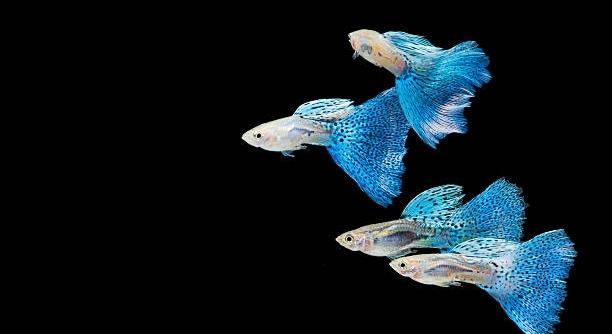
Overbreeding in guppies can quickly lead to an overcrowded tank. With their ability to reproduce rapidly, managing their breeding habits is essential to maintain a healthy aquarium environment. This guide covers practical steps to prevent overbreeding.
Controlling guppy overbreeding requires effective tank management strategies. Reducing the number of breeding males, adjusting water conditions, and separating males and females are essential measures to limit reproduction. Regular maintenance and monitoring will help maintain a balanced tank environment.
Taking action now will help maintain control over your guppy population. Managing their breeding ensures the health and stability of your aquarium.
Separate Males and Females
When you notice your guppies breeding too frequently, the first step is separating males and females. This simple change can significantly reduce the number of fry born in your tank. Male guppies can fertilize females quickly, leading to constant breeding cycles. By keeping them apart, you stop this cycle from continuing. Additionally, this allows you to monitor each gender individually, preventing accidental breeding. This method is especially useful if you have limited space in your tank.
Separating guppies also reduces stress. With fewer interactions, both males and females can live more peacefully.
A divider in the tank is an easy and effective solution. If you have a small aquarium, consider moving the sexes to separate tanks to avoid unplanned breeding. This method is useful in maintaining control over the population without much effort. It can be applied long-term to prevent overcrowding, which is crucial for the health of the entire tank. Be sure to check that your tank is large enough for both groups, offering sufficient room for each.
Control the Environment
Environmental factors can play a major role in guppy breeding. Temperature, lighting, and water quality all contribute to how often guppies reproduce. Maintaining a stable temperature between 72 and 82°F helps prevent overbreeding. Water that is too warm can stimulate breeding cycles, while cooler temperatures slow down reproduction.
Regular water changes and proper filtration are crucial. Clean water ensures the health of your guppies and limits breeding opportunities. If you notice the tank is becoming overcrowded, increasing filtration can help maintain the water quality. Always monitor your water parameters to keep the environment stable and conducive to healthy guppy life.
Keeping these factors in check will help you maintain control over your guppy population. Stable water conditions reduce stress and prevent unnecessary breeding.
Remove Adult Guppies
Removing adult guppies from the tank helps control breeding. By taking out mature guppies, you can prevent them from reproducing. This is especially effective if you’re trying to manage the population or if you notice fry growing too quickly. Removing the adults also allows the tank to maintain balance and keeps the environment more stable.
When you remove adult guppies, be sure to place them in a separate tank. This helps keep them safe while also ensuring they won’t breed anymore. Keep track of the adults you remove so you can observe them more closely.
For long-term population control, remove any adult guppies once they reach full maturity. This method allows you to better manage your tank’s population without constantly worrying about unplanned births. Keeping adult guppies separate helps maintain a steady, controlled environment that will be healthier for the fry.
Use Birth Control Methods
Using birth control methods can be an effective way to manage guppy reproduction. One common technique is to add a species-specific birth control hormone to the water. This hormone affects the fertility of the female guppies, preventing them from carrying offspring. This method can drastically reduce the number of fry born without changing the tank setup.
It’s important to monitor the water quality when using birth control methods, as certain chemicals may affect the overall health of the tank. Also, ensure that the chemical used is safe for both guppies and any other fish in the aquarium. Regularly check your guppy population to ensure the method is working effectively.
Using birth control is a simple yet efficient way to keep your guppy population in check. When combined with other techniques like separating males and females, it becomes a valuable tool in managing breeding. The key is to remain consistent and monitor the tank regularly to maintain balance.
Limit the Tank’s Space
Limiting space in your tank discourages overbreeding. When there is less room, guppies feel crowded and less likely to reproduce. A smaller environment mimics conditions that signal to the fish that breeding is less ideal.
Reducing the space available for guppies also helps manage population growth. It forces guppies to compete for territory and resources, which can reduce their desire to breed. This method, when combined with others, can effectively reduce unwanted fry.
A smaller tank might also reduce stress for the fish, promoting better overall health and fewer breeding events. While it may not fully stop reproduction, it provides another layer of control in managing your guppy population.
Separate Fry from Adults
Separating fry from adults is essential for preventing overcrowding. By moving young guppies to a separate tank, you reduce their chances of being eaten by the adults. This also allows the fry to grow without constant competition for resources.
Fry separation also minimizes the chance of adult guppies breeding with the younger ones. This helps keep your population controlled. It ensures that new fry are not added to the mix until the adult guppies are properly managed.
Over time, this strategy helps manage the balance in the tank. It allows for the monitoring of both adults and fry separately, promoting a healthier environment.
Adjust Lighting
Adjusting lighting can influence the breeding patterns of guppies. Bright light often triggers breeding behavior, while dimmer lighting can reduce their urge to reproduce. By controlling the intensity of the light, you can help reduce the frequency of breeding.
Lighting, when combined with other strategies like temperature control, can create an environment that discourages overbreeding. Make sure the light cycle is consistent to prevent any confusion among the fish. A steady rhythm is key.
FAQ
How often do guppies breed?
Guppies breed frequently, with females giving birth to fry every 30 days. The exact frequency can vary depending on environmental factors such as water temperature, light exposure, and diet. A healthy, well-maintained tank can see new fry every month, leading to rapid population growth if not managed.
Can guppies breed in a small tank?
Yes, guppies can breed in a small tank, though limiting their space can help reduce breeding rates. Smaller tanks can create a more stressful environment for the fish, which may reduce their breeding behavior. However, if both males and females are present, breeding will still occur, especially if other factors like lighting and water temperature are optimal.
What happens if you don’t control guppy breeding?
If you don’t control guppy breeding, you’ll quickly experience overcrowding in the tank. Overcrowded tanks lead to poor water quality, increased stress, and health problems for both adult guppies and fry. With more fry, the tank can become polluted faster, and guppies may start eating each other.
How can I tell if my guppy is pregnant?
Pregnant female guppies typically have a noticeable gravid spot near their abdomen. This spot darkens as the pregnancy progresses, and you may notice the body becoming rounder as the fry develop inside. Pregnant guppies can often be separated from males due to their larger size and prominent gravid spot.
Do guppies give birth in groups or individually?
Guppies give birth to multiple fry at once. Depending on the size of the female, a single birth can result in anywhere from 10 to 50 fry. The fry are born fully formed and immediately start swimming. Some may be eaten by the adults if not separated quickly.
How long do guppy fry need to be separated from adults?
Guppy fry should be separated from adults as soon as possible to prevent them from being eaten. They need to stay in a separate tank for at least 3 to 4 weeks, until they grow large enough to not be a meal for adult guppies. During this time, it’s important to maintain good water quality and provide proper food for the fry.
What should I feed guppy fry?
Guppy fry need a special diet to support their growth. Initially, they should be fed fine foods such as liquid fry food, micro pellets, or powdered flakes. As they grow, they can be transitioned to regular fish flakes or small pellets. Regular feeding ensures that the fry develop properly.
Do guppies stop breeding after a certain age?
Guppies typically breed until they are about 1 to 2 years old. After this point, their breeding frequency will decrease. Older females may stop breeding altogether, especially if they experience health problems or are living in less-than-ideal tank conditions.
Can I use birth control for guppies?
Yes, there are birth control options available for guppies. Some fish owners use hormonal treatments that can prevent female guppies from becoming pregnant. These treatments are added to the water and work by disrupting the breeding cycle. However, care must be taken to ensure the treatment does not harm the fish.
Are there any fish that won’t breed with guppies?
Yes, most fish species will not breed with guppies. Guppies are livebearers and reproduce with other livebearing species, such as mollies or platies. However, different species can’t breed together unless they are closely related, so other aquarium fish will not crossbreed with guppies.
Do guppy fry grow faster in warmer water?
Guppy fry do tend to grow faster in warmer water, as long as the temperature stays within a healthy range (72-82°F). Warmer water speeds up metabolism, leading to faster growth and development. However, temperatures that are too high can stress the fry, leading to health problems.
Should I keep male and female guppies together?
Keeping male and female guppies together can result in frequent breeding. If you want to manage the population, it’s best to separate the sexes. However, if you don’t mind fry and have the space to care for them, keeping them together is fine.
Can guppies breed in an aquarium with other fish?
Yes, guppies can breed in a mixed aquarium with other fish. However, it’s essential to consider the tank’s overall conditions, such as space, hiding spots for fry, and the behavior of other species. Some fish may even eat guppy fry, which is why separating them may be necessary.
How can I prevent guppies from breeding in a community tank?
In a community tank, the best way to prevent guppy breeding is to keep only one gender or separate the males and females. You can also use a divider or create separate areas within the tank. Reducing breeding-friendly factors like temperature and light also helps.
Do guppies breed every month?
Yes, guppies can breed monthly if conditions are right. Female guppies can store sperm from a single mating, meaning they can produce multiple batches of fry even without further interaction with males.
How long can guppies store sperm?
Female guppies can store sperm for up to 6 months, allowing them to produce fry even if they are not exposed to males during that period. This ability is another reason why guppy populations can grow rapidly without direct breeding.
Is it necessary to separate pregnant guppies from the rest of the tank?
Yes, separating pregnant guppies is crucial to protect the fry. If left in the main tank, pregnant females may give birth and the fry may be eaten by adult fish. Separating them ensures the fry have a chance to survive and grow.
Final Thoughts
Controlling guppy overbreeding requires consistent attention and effort. By using strategies like limiting tank space, separating fry, and adjusting environmental factors, such as lighting and temperature, you can manage the population effectively. Each of these methods helps to keep the tank balanced and prevents overcrowding, which can lead to poor water quality and stressed fish. Regular maintenance is essential to ensure the health of both adults and fry.
While it may take time to notice results, being proactive with these steps can create a more stable and controlled environment. Reducing the breeding frequency not only protects your tank’s ecosystem but also ensures that the guppies thrive. Remember to keep a close eye on their behavior and adjust the conditions as necessary. With patience, your guppies will live healthier lives, and you will have more control over their breeding patterns.
In the end, managing guppy breeding is about creating a sustainable environment where both the adults and fry can live comfortably. It may not be possible to stop breeding entirely, but these steps help keep things in balance. With the right approach, you’ll find that managing guppy populations becomes easier and more effective. By consistently monitoring and adjusting the tank conditions, you’ll be able to prevent overbreeding and ensure the well-being of your guppies.

Hello,
If you enjoy the content that we create, please consider saying a "Thank You!" by leaving a tip.
Every little bit helps us continue crafting quality advice that supports the health, happiness, and well-being of pets around the world, for pets of all shapes, sizes, and species.
We really appreciate the kindness and support that you show us!