
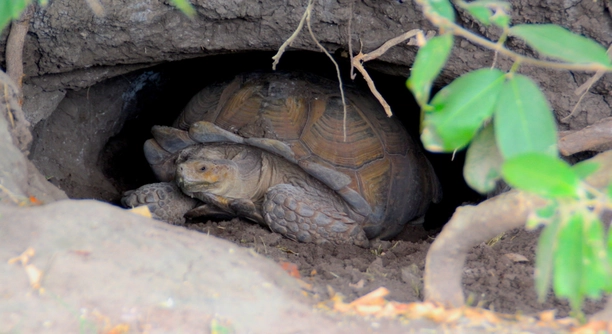
Sulcata tortoises are known for their large size and strong personalities, sometimes leading them to bite. If you’re caring for one, it’s important to understand how to manage this behavior.
The main way to stop a Sulcata tortoise from biting is by ensuring their environment is safe and comfortable. Stress can often trigger biting, so providing adequate space, appropriate temperatures, and a consistent feeding routine will help prevent aggressive behavior.
Understanding these simple steps will ensure your Sulcata tortoise stays healthy and happy while minimizing unwanted biting.
Provide a Proper Habitat
Sulcata tortoises thrive in large, secure environments. A cramped space can cause stress, leading to biting behavior. It’s crucial to give them plenty of room to roam. The ideal habitat should have warm temperatures, appropriate humidity, and space to dig. The more comfortable your tortoise feels, the less likely they are to resort to biting.
When setting up their enclosure, make sure it’s free of sharp objects and hazards. Additionally, provide areas with different textures, like grass or soft sand. This helps them feel at ease and reduces aggression.
A proper habitat is key to your tortoise’s well-being. By prioritizing their space and comfort, you ensure they remain calm, making biting less likely.
Create a Consistent Feeding Schedule
A consistent feeding schedule is important to avoid unexpected biting. Regular meal times give your tortoise a sense of stability. They will also feel less anxious around feeding times, reducing the chance of aggressive behavior. By sticking to a routine, you create a predictable environment for them.
Feeding should be balanced, with a mix of hay, vegetables, and occasional fruit. Ensure they have access to fresh water at all times. Overfeeding can lead to discomfort, while underfeeding can cause frustration. Both can result in unwanted behavior. The key is moderation.
Handle with Care
When interacting with a Sulcata tortoise, it’s essential to approach them gently. Sudden movements or rough handling can stress them out, causing them to bite as a defensive response. Always move slowly and calmly around them, giving them space to retreat if needed. This can help them feel safe and more at ease.
Avoid picking them up frequently, as it can trigger anxiety. If you need to move them, do so carefully and support their body properly. Holding them too tightly or too long can result in discomfort, prompting a bite. They are sensitive creatures and will react if they feel threatened.
Developing trust with your tortoise takes time. Gradually, they will learn to associate you with positive interactions, reducing the chances of biting.
Offer Safe Interaction
Sulcata tortoises can sometimes bite due to a lack of stimulation or boredom. Providing interactive enrichment can help prevent these behaviors. Introducing toys, varied environments, or activities like digging or foraging gives them something to focus on. When they are engaged, they’re less likely to display aggressive tendencies.
Rotate their toys and hide food to encourage natural behaviors like hunting for food. This helps them feel mentally stimulated and active. Keeping their minds engaged also ensures they’re not resorting to biting out of frustration or anxiety. Regular physical exercise, such as allowing them time in a larger outdoor space, can also help maintain a healthy tortoise.
Engaging them in activities is beneficial not only for reducing biting but also for their overall well-being.
Recognize Stress Triggers
Stress is one of the most common causes of biting in Sulcata tortoises. Overcrowding, noisy environments, or frequent changes in their routine can cause anxiety. Identifying and reducing these stressors will help prevent aggressive behavior. A calm environment is key to keeping your tortoise comfortable.
Pay attention to signs of stress like pacing or hiding. If your tortoise seems uneasy, adjust its environment to create a more peaceful space. Avoid sudden changes or loud noises around their enclosure.
Creating a stable and quiet habitat helps prevent stress-induced biting.
Monitor Health Regularly
Regular health checks are important to identify any issues that may cause discomfort or irritation. If your Sulcata tortoise is in pain or feels unwell, it may bite as a form of defense. Look out for signs like lethargy, swelling, or abnormal behavior. A healthy tortoise is less likely to bite out of distress.
Make sure your tortoise gets the right nutrition and proper hydration. If you notice anything unusual, take them to a reptile vet to rule out health concerns. Keeping track of their health ensures they remain comfortable and content. A healthy tortoise is a happy tortoise.
Avoid Aggressive Breeding Behavior
During breeding season, Sulcata tortoises can become more territorial and aggressive. Male tortoises, in particular, may bite to assert dominance over other males or their territory. Keeping males separated during this time can help reduce aggressive behavior. Provide ample space for each tortoise to prevent conflicts.
Breeding behavior can also trigger biting if the tortoise feels threatened by other animals or humans. If you don’t plan to breed, consider neutering or separating the males. This reduces aggression and ensures a safer environment for all tortoises in your care.
FAQ
Why is my Sulcata tortoise biting?
Biting in Sulcata tortoises is often a sign of stress, discomfort, or territorial behavior. If they feel threatened, whether by their environment, another animal, or even you, they may resort to biting. A lack of space, sudden movements, or rough handling can cause anxiety and lead to aggression. To minimize this, ensure they have a calm, spacious environment with predictable routines and gentle interactions.
How can I stop my tortoise from biting me?
To prevent biting, handle your tortoise with care. Move slowly and calmly around them, giving them plenty of space. Avoid sudden gestures that could startle them. Providing a comfortable environment with sufficient space to roam and opportunities for enrichment can reduce stress and prevent biting. Over time, they will associate you with positive, gentle interactions, reducing the likelihood of aggression.
Does a Sulcata tortoise bite when it’s hungry?
Sulcata tortoises are not typically aggressive when hungry, but if they associate you with food, they might act out. If they are not fed regularly, they may become anxious, which could lead to biting. Maintaining a consistent feeding schedule will help them feel secure and reduce the chances of this behavior. Ensure they always have access to fresh water and food, but avoid overfeeding to prevent health issues.
Can biting be a sign of illness?
Yes, biting can sometimes be a symptom of illness or discomfort. If your tortoise is feeling unwell, it might bite due to irritation or pain. Look for other signs of health issues, such as lethargy, swelling, or changes in appetite. If you notice any unusual behavior, it’s important to consult a vet to rule out any medical problems.
How do I know if my tortoise is stressed?
Stress in Sulcata tortoises can manifest as pacing, hiding, or excessive digging. They may also become more aggressive or defensive. If your tortoise is exhibiting these behaviors, it could be a sign that something in its environment is causing anxiety. Look for triggers like overcrowding, loud noises, or changes in routine. Reducing stressors and providing a more calming environment can help alleviate these symptoms.
Is it safe to handle a Sulcata tortoise?
Yes, it is safe to handle a Sulcata tortoise as long as it’s done correctly. Always approach your tortoise slowly and gently. Never grab them by their legs or shell; instead, support their body carefully. Handling should be kept to a minimum to avoid stressing them out. If you need to pick them up, do so with both hands and move them slowly.
Can Sulcata tortoises live with other pets?
Sulcata tortoises can live with other pets, but caution is required. Some animals may be more aggressive towards them, which could lead to stress or biting. If you have other pets, make sure they won’t harm the tortoise. Additionally, provide enough space and separate areas for each pet, ensuring the tortoise feels safe and secure in its environment.
How can I prevent a tortoise from biting other tortoises?
To prevent biting between tortoises, ensure they have enough space to avoid territorial disputes. If you have multiple tortoises, make sure their enclosures are large enough so they don’t feel crowded. Males, in particular, may become aggressive during breeding season, so separating them can help reduce conflict. Monitor their interactions and separate them if necessary.
What should I do if my tortoise is biting other animals?
If your tortoise is biting other animals, it could be a sign of territorial behavior. Ensure the other animals are not stressing or threatening the tortoise. If they are sharing space, separate them to give each one their own territory. Provide plenty of hiding places and stimulation to reduce aggression.
Is biting a common behavior for Sulcata tortoises?
Biting is not a typical or frequent behavior in Sulcata tortoises. Most of the time, these tortoises are calm and docile. However, biting can happen when they are stressed, threatened, or feel their space is being invaded. It’s important to identify and address the underlying cause of the behavior, whether it’s environmental, health-related, or social.
How can I tell if my tortoise is happy?
A happy Sulcata tortoise is active, alert, and behaves naturally. They will be curious about their environment, foraging for food, and engaging in normal activities like digging. If they are eating well, moving freely, and not showing signs of aggression, it’s a good indication that they are content.
What should I do if my tortoise bites me?
If your tortoise bites you, stay calm and avoid reacting aggressively. Gently remove your hand and avoid any further interaction until they’ve calmed down. Examine the tortoise’s environment to ensure they aren’t stressed. Over time, you can train your tortoise to feel more comfortable with your presence and avoid future biting.
How can I reduce my tortoise’s aggression?
To reduce aggression, focus on creating a stable, comfortable environment. Make sure the tortoise has enough space, a predictable feeding schedule, and minimal stress. Handle your tortoise gently and avoid overstimulating them. If aggression continues, consult a reptile specialist to ensure there are no underlying health issues.
Final Thoughts
Addressing biting behavior in Sulcata tortoises requires patience and attention to their needs. These tortoises are not naturally aggressive creatures, and their biting is often a response to stress or discomfort. Whether it’s from an unsuitable living environment, lack of space, or improper handling, understanding the root cause of the biting is key to stopping it. Ensuring that your tortoise feels safe, secure, and comfortable will go a long way in reducing unwanted behaviors.
Consistency in care is vital for these tortoises. Offering a proper habitat, adequate space, and regular feeding schedules can significantly reduce stress levels. If your Sulcata tortoise is regularly biting, consider revising their enclosure to make it more suitable. Check for any signs of illness, injury, or discomfort. Health issues can sometimes be a hidden factor in behavior changes, so regular checkups with a vet are crucial. Proper handling is also essential—approach your tortoise slowly and calmly, avoiding sudden movements that could cause anxiety or fear.
In conclusion, while biting can be a frustrating issue, it’s one that can be resolved with careful observation and appropriate care. Taking the time to understand your Sulcata tortoise’s behavior and addressing the underlying causes will help create a more peaceful environment for both you and your pet. By keeping their living conditions comfortable and stress-free, providing regular care, and interacting gently, you can prevent biting and foster a positive relationship with your tortoise.

Hello,
If you enjoy the content that we create, please consider saying a "Thank You!" by leaving a tip.
Every little bit helps us continue crafting quality advice that supports the health, happiness, and well-being of pets around the world, for pets of all shapes, sizes, and species.
We really appreciate the kindness and support that you show us!