
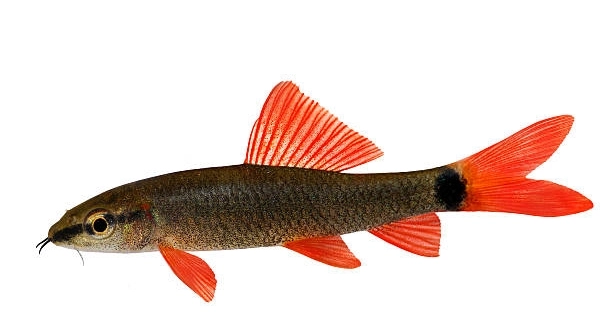
Is your rainbow shark acting strange or not behaving like it used to? Changes in activity, color, or appetite can be signs that something might be wrong. Paying attention early can make a big difference.
The most common signs that your rainbow shark needs help include sudden aggression, loss of appetite, hiding more than usual, faded colors, frayed fins, erratic swimming, and rapid breathing. Each of these can point to different health or environmental issues.
From tank conditions to diet and stress, these signs can help you understand what your rainbow shark may be experiencing and how to support its well-being.
Unusual Hiding and Aggression
Rainbow sharks are naturally territorial, but when they suddenly start hiding more often or become overly aggressive, it could mean something’s off. Constant hiding may show that your fish feels unsafe or stressed. On the other hand, if your rainbow shark begins attacking other tank mates more than usual, it might be reacting to poor water quality, overcrowding, or illness. In both cases, check the tank conditions first. Look at temperature, pH levels, and ammonia. Make sure the tank has enough hiding spots but isn’t too cramped. A sudden shift in behavior is often a sign that something in the environment needs adjusting.
Keep an eye on how long the behavior lasts. If it’s more than a day or two, it’s time to investigate further.
Noticing changes in hiding or aggression can help you catch issues early. Paying attention to small details may prevent health problems and lower stress levels for your rainbow shark.
Faded Colors and Torn Fins
Faded colors are often linked to stress or illness. Torn fins can mean your rainbow shark is getting into fights or swimming in rough decorations.
If your rainbow shark’s color looks dull or washed out, it could be reacting to changes in the tank. Poor lighting, an unbalanced diet, or even sudden shifts in temperature can all impact how vibrant your fish appears. Torn fins usually show up after physical damage—either from bumping into sharp objects or aggressive interactions with tank mates. Check the tank for decorations with sharp edges and make sure it’s not too crowded. Stress also weakens their immune system, making it easier for infections to start. Fin rot, for example, can develop quickly if water isn’t clean or if your fish is already feeling unwell. Make regular water changes, test parameters weekly, and feed a mix of high-quality flakes and protein-rich treats like bloodworms. This can support both healing and vibrant coloring.
Erratic Swimming and Fast Breathing
Erratic swimming can be a sign of stress, irritation, or poor water quality. Fast breathing usually points to low oxygen levels or toxins like ammonia. Both symptoms should be taken seriously and checked right away.
When your rainbow shark swims in sudden bursts, crashes into tank walls, or looks like it’s struggling to stay upright, it may be reacting to bad water conditions. High ammonia or nitrate levels are common reasons. Fast breathing often shows up when the water lacks enough oxygen. This can happen if the tank is too warm or if there’s not enough water movement. Always test the water first. Look at the filter, air stone, or bubbler. Make sure everything’s working properly. Poor filtration and limited surface movement lower oxygen levels quickly. Addressing water issues early helps your fish breathe easier and swim normally again.
Make sure your tank is the right size, has proper circulation, and is not overcrowded. A tank that’s too small or full can make these symptoms worse. Always quarantine new fish before adding them, as illness can spread fast in close spaces. Add plants, especially ones that release oxygen. They help regulate the tank naturally. Even small changes can ease your shark’s breathing and movement.
Loss of Appetite and Lethargy
Loss of appetite and sluggish behavior often go hand in hand. If your rainbow shark stops eating and stays near the bottom for long periods, it could be sick or dealing with poor tank conditions.
Food refusal can happen for many reasons, including stress, illness, or low water quality. Look closely at what’s happening in the tank. Did you add new fish? Was there a recent water change or temperature shift? Even small changes can affect your shark’s eating habits. Lethargy may follow because the fish isn’t getting the nutrients it needs. A rainbow shark that normally swims around but suddenly becomes inactive is likely trying to conserve energy. Offer a variety of foods like sinking pellets, bloodworms, and blanched vegetables. Sometimes, switching food can make a difference.
Test the water right away. If ammonia or nitrite levels are high, do a partial water change. Avoid overfeeding during this time. Food can break down and make water worse. Keep the lights on a regular schedule, and avoid tapping the glass or sudden movements around the tank. These small changes help reduce stress and support healthy eating habits.
Scraping Against Objects
If your rainbow shark rubs or scrapes its body against rocks, plants, or decorations, it may be trying to relieve skin irritation. This can be caused by parasites, poor water quality, or early signs of infection.
Look closely for tiny white spots or changes in scale texture. These can be signs of ich or other skin issues. Scraping is usually one of the first signs something’s wrong, so act quickly.
Staying Still for Long Periods
A rainbow shark that remains still for long stretches might be feeling weak, stressed, or unwell. This stillness often means it’s trying to avoid conflict, conserve energy, or recover from something bothering it. Look at how often it moves. If it stops reacting to movement, it’s time to act.
Gasping at the Surface
This is a clear sign of low oxygen. Make sure your filter and bubbler are working properly, and consider increasing water movement right away.
FAQ
How often should I check my rainbow shark’s behavior?
It’s best to observe your rainbow shark daily. Regular monitoring helps you catch early signs of stress or illness. Even small changes in activity, color, or appetite can signal a problem before it worsens. Spending a few minutes each day paying attention can prevent many issues.
What water conditions are ideal for a rainbow shark?
Rainbow sharks thrive in water with a temperature between 72°F and 79°F (22°C to 26°C). The pH should stay between 6.5 and 7.5. Ammonia and nitrite levels must be zero, and nitrates should stay below 20 ppm. Keeping stable, clean water is key to their health.
Can tank size affect my rainbow shark’s behavior?
Yes, tank size plays a big role. Rainbow sharks need at least a 30-gallon tank because they are active swimmers. A cramped tank leads to stress, aggression, and poor health. Larger tanks also help keep water quality stable, making it easier to maintain good conditions.
Why does my rainbow shark hide all the time?
Hiding is normal sometimes, but constant hiding may indicate stress, illness, or poor water quality. Make sure there are enough hiding spots but not too many to crowd the tank. Check water parameters and tank mates to reduce stress.
What should I feed my rainbow shark?
Rainbow sharks are omnivores. A balanced diet includes high-quality sinking pellets, algae wafers, and occasional treats like bloodworms or brine shrimp. Feeding a variety of foods ensures they get all necessary nutrients and helps keep their color bright.
How can I tell if my rainbow shark has a disease?
Common signs include faded colors, torn fins, spots on the body, and unusual swimming patterns. Loss of appetite and lethargy often accompany illness. If you notice these signs, test water quality and consider quarantine or treatment to avoid spreading disease.
Is my rainbow shark aggressive? Should I be worried?
Rainbow sharks can be territorial, especially in small tanks. Mild aggression is normal but should not lead to serious injuries. If your fish attacks often or damages others, consider increasing tank size or rearranging decorations to reduce territorial disputes.
How do I improve oxygen levels in the tank?
Increase water movement by adding a stronger filter, air stones, or bubbler. Avoid overcrowding the tank and keep the water temperature stable. Live plants also help produce oxygen and improve overall water quality.
When should I do a water change?
Regular water changes, about 20-25% weekly, help keep ammonia, nitrite, and nitrate levels low. If you notice your fish showing signs of stress or illness, test the water and do a partial change immediately if needed.
Can stress affect my rainbow shark’s health?
Yes, stress weakens the immune system and can cause poor appetite, faded colors, and vulnerability to disease. Stress sources include poor water quality, aggressive tank mates, overcrowding, and sudden changes in environment. Managing these factors is essential for a healthy fish.
Final thoughts are important when it comes to caring for your rainbow shark. These fish are beautiful and active, but they can be sensitive to changes in their environment. Paying close attention to their behavior and appearance can help you notice when they need help. Early signs such as hiding, faded colors, or erratic swimming should never be ignored. By responding quickly, you can prevent small problems from becoming serious health issues.
Maintaining a clean and stable tank environment is key to your rainbow shark’s well-being. Regular water testing and changes help keep ammonia, nitrites, and nitrates at safe levels. Make sure the temperature and pH stay within the right range. Also, provide enough space and proper decorations so your fish feels secure but not crowded. Feeding a balanced diet with a variety of foods supports strong health and vibrant colors. Small efforts in daily care add up to a happy and healthy fish.
Watching for changes in your rainbow shark’s behavior can sometimes feel overwhelming, but it’s worth the effort. Understanding what different signs mean will help you act in time. Whether it’s stress, illness, or water issues, solving the problem quickly improves your fish’s quality of life. Remember, every rainbow shark is unique, and learning its normal habits makes it easier to spot when something is wrong. Taking good care of your fish means they will thrive and bring you enjoyment for years.

Hello,
If you enjoy the content that we create, please consider saying a "Thank You!" by leaving a tip.
Every little bit helps us continue crafting quality advice that supports the health, happiness, and well-being of pets around the world, for pets of all shapes, sizes, and species.
We really appreciate the kindness and support that you show us!