
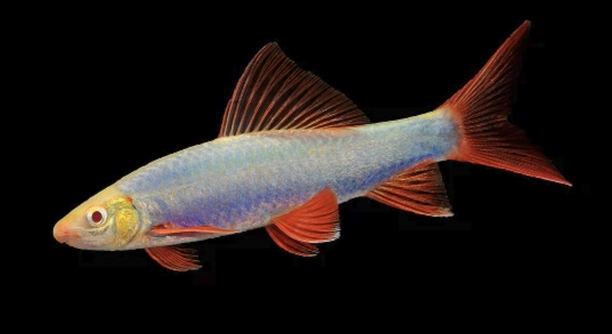
Rainbow sharks are popular freshwater fish known for their bright colors and active behavior. Many fish owners enjoy keeping them in home aquariums. However, these fish can develop health problems that may be hard to notice at first.
Rainbow shark disease shows early signs such as changes in swimming patterns, loss of appetite, discoloration, and visible wounds or spots. Recognizing these symptoms quickly is crucial for effective treatment and preventing the disease from worsening.
Knowing how to identify these early signs can help keep your rainbow shark healthy. This article will guide you through simple ways to spot the warning signals before the disease becomes serious.
Changes in Swimming Behavior
When a rainbow shark starts acting differently in the tank, it can be an early sign of disease. Normally, these fish are active swimmers, moving smoothly around the aquarium. If you notice your shark suddenly slowing down, staying near the surface, or hiding more than usual, it may be feeling unwell. Erratic swimming or struggling to maintain balance are also warning signs. These changes often happen before visible symptoms appear. Keeping a close eye on how your rainbow shark swims every day helps catch problems early. Observing these subtle differences can make a big difference in how quickly you respond and treat the fish.
Reduced activity or unusual swimming often means the fish is stressed or sick. Early detection helps prevent further damage and improves the chances of recovery.
Monitoring your fish’s movement patterns regularly creates a clear idea of what “normal” looks like. This knowledge allows you to spot even slight changes before they lead to bigger issues. Reacting quickly can improve your rainbow shark’s health significantly.
Loss of Appetite
Loss of appetite is a common sign that a rainbow shark may be suffering from disease. When fish stop eating or show less interest in food, it usually means something is wrong. This can be caused by internal infections or stress related to the disease. You might notice your shark swimming away from feeding times or spitting out food more often. This change is important to watch for because it affects the fish’s strength and ability to fight illness. A healthy rainbow shark typically eats eagerly, so any drop in appetite should raise concern. Catching this symptom early allows for prompt care and treatment to help the fish recover.
Changes in Color and Skin Condition
Color changes in rainbow sharks can indicate early disease development. Healthy fish show bright, clear colors, while sick ones often appear faded or dull. You might notice patches of discoloration or white spots appearing on the skin. These spots can be signs of infections like fungus or parasites. Additionally, the fish’s scales may look rough, torn, or peeling. These physical signs are important to recognize early, as they reflect underlying health problems. Changes in skin condition often come with other symptoms like lethargy or unusual swimming. Promptly checking water quality and treating infections can stop these issues from spreading. Maintaining clean water and a stable environment reduces the risk of these problems. Regular tank maintenance and observation go a long way in protecting your rainbow shark’s health.
Visible Wounds and Lesions
Wounds or lesions on a rainbow shark’s body are clear signs of health issues. These can appear as red sores, cuts, or ulcers.
Visible wounds often develop due to bacterial or fungal infections, especially if the fish scratches against tank decorations or fights with other fish. Open wounds weaken the shark’s immune system and make it vulnerable to more infections. Treating these injuries quickly is important to prevent further damage. Keeping the aquarium clean and stress-free helps wounds heal faster. Using appropriate medications recommended for fish can control infections and support recovery. Regularly checking your rainbow shark for any unusual marks will help catch these problems early.
Besides infection, wounds can be a sign of poor water quality or overcrowding. Addressing these conditions ensures better health and prevents wounds from becoming serious.
Erratic or Aggressive Behavior
Erratic or aggressive behavior may indicate a sick rainbow shark. When the fish suddenly becomes more aggressive or unpredictable, it can be stressed or unwell.
Changes in behavior often occur when the fish feels discomfort or pain. Aggression toward other tank mates might increase, or the shark could swim wildly without control. This behavior is a signal that something is wrong internally. Stressful environments, poor water conditions, or disease can trigger these changes. Observing how your fish interacts with others and moves around helps spot problems early. Providing enough space and hiding spots reduces stress and aggressive actions. Early action can improve the fish’s condition and reduce conflicts in the tank.
Clamped Fins
Clamped fins happen when a rainbow shark holds its fins tightly against its body. This behavior usually shows discomfort or stress.
Fins that stay clamped for long periods may signal illness or poor water quality. It’s important to check the tank conditions and act quickly to improve the fish’s environment.
Gasping at the Surface
Gasping at the water surface often means the fish is struggling to breathe. Low oxygen levels or poor water quality are common causes.
This behavior can worsen if not addressed, so improving aeration and performing water changes can help your rainbow shark recover.
Excessive Mucus Production
Excess mucus on a rainbow shark’s body is a sign of irritation or infection. This slimy layer protects the fish but also signals distress.
Mucus production increases with poor water quality or parasite attacks. Regular cleaning and treatment are necessary to keep your fish healthy.
What causes Rainbow Shark Disease?
Rainbow shark disease is mainly caused by bacterial or fungal infections, often linked to poor water conditions. Stress from overcrowding, sudden temperature changes, or aggressive tank mates can weaken the fish’s immune system, making it more prone to illness. Parasites may also play a role in triggering symptoms.
How can I prevent my rainbow shark from getting sick?
Maintaining clean, well-filtered water is essential. Regular water changes help keep ammonia and nitrate levels low. Avoid overcrowding the tank and provide enough hiding places to reduce stress. Feeding a balanced diet strengthens your fish’s immune system. Quarantining new fish before adding them to the tank can prevent spreading disease.
What are the first signs I should watch for?
Early signs include changes in swimming behavior, loss of appetite, clamped fins, and discoloration. Spotting wounds, unusual mucus, or gasping at the surface also signals health problems. These subtle symptoms appear before more serious illness develops.
How do I treat Rainbow Shark Disease?
Treatment depends on the cause but usually involves improving water quality and using antibacterial or antifungal medications. Isolating the sick fish in a hospital tank can help manage infection and prevent spread. Follow the instructions on medications carefully and monitor your fish closely during treatment.
Is it safe to keep rainbow sharks with other fish?
Rainbow sharks can be territorial and sometimes aggressive, especially if the tank is too small. Keeping them with peaceful, fast-swimming species that occupy different tank levels reduces conflict. Providing plenty of hiding spots and space helps prevent stress and injuries.
How long does it take for a sick rainbow shark to recover?
Recovery time varies depending on the disease and how quickly treatment begins. Mild cases may improve within a week, while severe infections can take several weeks. Consistent care, good water quality, and proper medication improve recovery chances.
Can poor water quality cause disease?
Yes, poor water quality is one of the main reasons rainbow sharks get sick. High ammonia, nitrite, or nitrate levels irritate the fish and lower their immunity. Clean water supports overall health and helps prevent many common diseases.
Should I change my aquarium setup to help my fish recover?
Sometimes adjusting the tank setup can help, such as removing sharp decorations that may injure the fish. Adding plants or hiding spots reduces stress and aggression. Improving filtration and aeration supports better water quality and oxygen levels.
What diet helps keep rainbow sharks healthy?
A varied diet of high-quality flakes, pellets, and occasional live or frozen foods like bloodworms or brine shrimp provides necessary nutrients. Avoid overfeeding and remove uneaten food to maintain water quality.
When should I seek professional help for my rainbow shark?
If symptoms worsen despite treatment, wounds spread, or the fish becomes lethargic and stops eating entirely, it’s time to consult an aquatic veterinarian or experienced fish specialist. Early professional advice can save your fish’s life.
Taking care of a rainbow shark means paying close attention to its health and behavior. Spotting early signs of disease is very important to keep your fish safe and comfortable. Changes like slow swimming, loss of appetite, or unusual marks on the skin should not be ignored. These small clues often show up before the problem gets worse. By watching your rainbow shark closely every day, you can catch issues early and take action faster.
Maintaining a clean tank with good water quality is key to preventing many health problems. Regular water changes, proper filtration, and controlling temperature help create a safe environment for your fish. Stress can weaken a rainbow shark’s immune system, so avoid overcrowding and aggressive tank mates. Providing hiding places and enough space also keeps your fish calm and healthy. When disease signs appear, acting quickly with treatment can stop infections from spreading and causing lasting damage.
Remember, caring for a rainbow shark requires patience and observation. No two fish are exactly the same, and some may show signs differently. Learning about the common symptoms and how to respond helps you support your fish’s well-being. If problems persist or become severe, seeking advice from a fish expert or vet is a good step. With proper care and attention, your rainbow shark can live a long, healthy life, adding beauty and activity to your aquarium.

Hello,
If you enjoy the content that we create, please consider saying a "Thank You!" by leaving a tip.
Every little bit helps us continue crafting quality advice that supports the health, happiness, and well-being of pets around the world, for pets of all shapes, sizes, and species.
We really appreciate the kindness and support that you show us!