
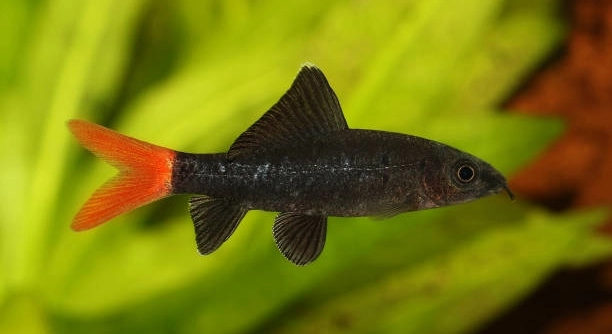
Rainbow Sharks are popular aquarium fish known for their vibrant colors and active behavior. Keeping them healthy requires knowing when they show early signs of illness. Watching for subtle changes can help prevent serious problems.
Recognizing the first signs of Rainbow Shark illness involves observing changes in behavior, appetite, coloration, and physical condition. Early detection includes noting sluggish movement, faded colors, clamped fins, or abnormal spots, which are indicators of stress or disease.
Knowing these signs early can protect your fish and keep your aquarium thriving. This guide will help you stay alert to their health needs.
Changes in Swimming Behavior
When a Rainbow Shark is sick, one of the first things you might notice is a change in how it swims. Normally, these fish are very active, swimming around the tank with ease. If your fish starts to swim slowly, hides more often, or seems to have trouble staying upright, it could be a sign of illness. Erratic swimming, such as darting around suddenly or bumping into the tank walls, is also a red flag. Sometimes, they may stay near the surface or the bottom of the tank for long periods, which is not typical behavior. These changes can indicate stress or infection affecting their nervous system or internal organs. Watching how your Rainbow Shark moves each day will help you catch any problems early before they get worse. Maintaining good water quality and stable tank conditions also supports healthy behavior and reduces the risk of disease.
Early signs of illness often include sluggish swimming and hiding more than usual.
Noticing unusual swimming patterns is essential for early treatment. Prompt action can prevent the problem from escalating, ensuring your Rainbow Shark stays healthy and active. Regular observation will keep you informed about your fish’s condition.
Loss of Appetite
A loss of appetite is a common sign that your Rainbow Shark might be feeling unwell. When a fish refuses to eat or shows less interest in food, it can signal internal issues or infections. It is important to watch feeding times closely to detect any changes in eating habits. Sometimes illness can affect their digestive system, causing discomfort or weakness, which leads to reduced food intake. In some cases, poor water quality or stress can also cause a loss of appetite. Ensuring your tank is clean and the water parameters are correct can help prevent this issue. Offering a variety of foods and feeding smaller amounts more frequently may encourage eating if your fish is recovering from illness. Paying attention to appetite changes can give you an early warning to take care of your Rainbow Shark promptly.
Visible Physical Changes
Fading colors or dullness in your Rainbow Shark’s appearance can indicate illness. Look closely for spots, lesions, or torn fins that shouldn’t be there.
Color changes may occur because of stress, poor water conditions, or disease. Healthy Rainbow Sharks usually have bright, shiny scales. When sick, their colors often become pale or blotchy. White spots or patches may also appear, signaling infections like ich or fungal growth. Torn or frayed fins suggest possible fin rot or injury. Sometimes, swelling or bloating in the body is noticeable, which can mean internal problems. Observing these physical signs early allows you to respond quickly and help your fish recover. Regular tank maintenance and careful observation can prevent many common issues.
Checking for visible injuries or marks can help you catch illness early and take action.
Changes in Breathing Patterns
Rapid or labored breathing is a common sign that something is wrong. When your Rainbow Shark’s gills move faster or it gasps at the surface, it may be struggling to get enough oxygen. Poor water quality often causes this, especially if ammonia or nitrite levels are high. Parasites or infections affecting the gills can also make breathing difficult. If you notice your fish breathing differently, test the water immediately and improve aeration. A sudden change in breathing should not be ignored, as it can quickly lead to more serious health problems. Addressing these symptoms early increases the chances of a full recovery. Keeping the tank clean and well-oxygenated is key to preventing breathing issues.
Clamped Fins
Clamped fins are a clear sign of discomfort or illness. When your Rainbow Shark holds its fins tightly against its body, it usually means it is stressed or unwell.
This behavior can result from poor water quality, parasites, or infections. Observing fin posture daily helps catch early problems.
Excess Mucus Production
An increase in mucus on your Rainbow Shark’s body is often a response to irritation or infection. This slimy coating protects the fish but also signals that something is wrong. Mucus buildup can be caused by poor water conditions, parasites, or bacterial infections. Keeping the tank clean and monitoring water parameters helps reduce this problem. If excess mucus appears, it’s important to check for other symptoms and act quickly to improve your fish’s environment and health.
Isolation from Tank Mates
Rainbow Sharks that separate themselves or hide more than usual may be feeling sick or stressed. Isolation can be an early warning sign.
Lethargy
Lethargy is a common symptom of illness in Rainbow Sharks. When your fish is inactive and spends a lot of time resting, it may be unwell.
How can I prevent illness in my Rainbow Shark?
Keeping your Rainbow Shark healthy starts with maintaining clean water and a stable environment. Regular water changes and testing for ammonia, nitrites, and nitrates are essential. Avoid overcrowding the tank, as too many fish can cause stress and poor water quality. Feeding a balanced diet designed for Rainbow Sharks supports their immune system. Adding plants or hiding spots helps reduce stress. Quarantining new fish before adding them to the tank can prevent disease spread. A stable temperature between 75–80°F also keeps your fish comfortable. Taking these steps lowers the risk of illness and helps your Rainbow Shark live a long, healthy life.
What should I do if I notice my Rainbow Shark is sick?
If you spot signs of illness, the first step is to test your tank’s water. Poor water quality is a common cause of sickness, so correcting pH, ammonia, and nitrate levels can improve your fish’s condition. Isolate the sick fish if possible to prevent spreading disease. Depending on symptoms, medication may be needed—consult a fish health guide or specialist. Keep the tank clean and maintain proper temperature. Feeding softer or specialized food might help if your fish refuses regular food. Acting quickly gives your Rainbow Shark the best chance to recover fully.
Can poor water quality cause all these symptoms?
Yes, poor water quality is often behind many health issues in Rainbow Sharks. Ammonia and nitrites are toxic, and even slightly unbalanced water can stress your fish. Stress weakens their immune system, making them vulnerable to infections and behavioral changes. Dirty tanks can encourage parasites, fungal infections, and bacterial growth, which cause visible symptoms like clamped fins, mucus buildup, and lethargy. Regular testing and maintenance prevent many problems before they start. Good water quality is the foundation of healthy fish care.
How do I improve water quality in my aquarium?
Regular water changes are the most effective way to improve water quality. Changing 20-30% of the water weekly helps remove toxins. Use a good water conditioner to remove chlorine and chloramines from tap water. Clean the filter but don’t over-clean it, as beneficial bacteria help break down waste. Avoid overfeeding, which leads to excess waste and dirt. Vacuuming the gravel during water changes removes leftover food and debris. Testing water parameters with an aquarium test kit ensures levels are safe. These steps create a cleaner, healthier home for your Rainbow Shark.
Are Rainbow Sharks prone to specific diseases?
Rainbow Sharks can be affected by common freshwater fish diseases such as ich (white spot disease), fin rot, and fungal infections. Ich appears as tiny white spots on the skin and fins and causes scratching or rubbing behavior. Fin rot causes fins to fray or look ragged, often from bacterial infection. Fungal infections show up as cotton-like patches. Parasites can also attach to the gills or body, causing breathing and swimming problems. Early detection and treatment are critical. Maintaining good water quality and reducing stress helps prevent these diseases.
Can diet affect my Rainbow Shark’s health?
Diet plays a big role in keeping your Rainbow Shark healthy. Feeding a variety of foods like sinking pellets, frozen or live foods such as bloodworms or brine shrimp helps meet their nutritional needs. Avoid overfeeding, which can cause water pollution and obesity. A poor diet weakens the immune system, making your fish more susceptible to illness. Sometimes, supplements or special diets are necessary during recovery. Watch your fish’s appetite and adjust feeding if they show signs of illness.
Is it normal for Rainbow Sharks to hide often?
While Rainbow Sharks are active swimmers, they sometimes hide to feel safe. However, frequent hiding combined with other symptoms like loss of appetite or color fading can indicate illness or stress. Changes in tank setup, water conditions, or tank mates can cause this behavior. Ensuring there are enough hiding places but also open swimming space helps balance their needs. Monitor your fish to see if hiding is occasional or persistent.
How long does it take for a Rainbow Shark to recover from illness?
Recovery time depends on the illness and how quickly it’s treated. Mild infections or stress may improve within days if water conditions are corrected and care is given. More serious bacterial or parasitic infections can take several weeks with medication and close attention. During recovery, keep the environment stable, reduce stress, and maintain good water quality. Patience is important, as rushing the process can cause relapse. If symptoms persist or worsen, seek advice from a fish health expert.
Can I treat my Rainbow Shark illness at home?
Many common illnesses can be treated at home with proper medication and care. Over-the-counter fish medicines for parasites, bacterial infections, and fungus are widely available. Follow instructions carefully and remove activated carbon from your filter while treating. Quarantine tanks are useful to isolate sick fish and monitor their progress. However, if you’re unsure of the diagnosis or if your fish’s condition worsens, consulting a professional is best. Prevention through good tank management is easier than treatment.
How important is quarantine for new fish?
Quarantining new fish before adding them to your main tank is very important. It helps prevent introducing diseases or parasites to your existing fish. A quarantine period of two to four weeks allows you to observe new arrivals for any signs of illness and treat them if needed. This simple step protects your entire aquarium’s health and reduces stress for all fish. Many problems start when sick or stressed fish are added without quarantine, so this practice is a key part of responsible fishkeeping.
Taking care of a Rainbow Shark means paying close attention to its health and behavior. These fish can show signs of illness in many ways, from changes in swimming to color fading and loss of appetite. Noticing these signs early can make a big difference in how quickly your fish recovers. Regular observation helps you understand what is normal for your fish and when something is wrong. This way, you can act fast and avoid serious health problems.
Maintaining a clean and stable aquarium environment is one of the best ways to prevent illness. Water quality plays a huge role in your Rainbow Shark’s health. Testing water regularly for harmful substances like ammonia and nitrites helps keep the tank safe. Changing water often and avoiding overcrowding reduce stress for your fish. Providing a balanced diet supports their immune system, making them stronger against infections. Good tank care is easier than treating disease once it appears, so staying consistent with maintenance is important.
If your Rainbow Shark does get sick, don’t panic. Many illnesses can be treated successfully if caught early. Isolating the fish and improving tank conditions are good first steps. There are medicines available for common infections and parasites. Sometimes, simple changes like better water quality and feeding can help your fish heal. Being patient and careful with treatment gives your Rainbow Shark the best chance of getting better. Remember, knowing the signs of illness and how to respond is key to keeping your fish healthy and happy over time.

Hello,
If you enjoy the content that we create, please consider saying a "Thank You!" by leaving a tip.
Every little bit helps us continue crafting quality advice that supports the health, happiness, and well-being of pets around the world, for pets of all shapes, sizes, and species.
We really appreciate the kindness and support that you show us!