
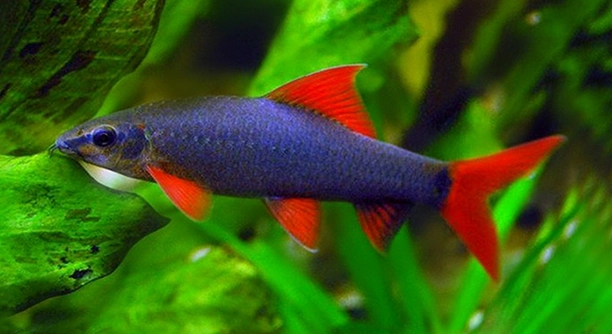
Rainbow sharks are popular aquarium fish known for their bright colors and peaceful nature. Like all pets, they can show early signs of illness that need attention. Recognizing these signs early helps keep them healthy and happy in your tank.
Early signs of rainbow shark illness include changes in swimming behavior, loss of appetite, faded colors, visible spots or lesions, rapid breathing, clamped fins, and lethargy. Monitoring these symptoms closely can prevent serious health problems.
Knowing how to spot these warning signs will help you care for your rainbow shark better and protect it from common diseases.
Changes in Swimming Behavior
When a rainbow shark starts to swim differently, it often signals something is wrong. You might notice it swimming erratically, floating near the surface, or hiding more than usual. Healthy rainbow sharks usually glide smoothly along the tank walls or rest calmly on the bottom. Sudden shifts in movement patterns can mean stress, injury, or illness. Sometimes, the fish may swim upside down or struggle to keep balance, indicating swim bladder problems or infections. Observing your fish daily helps catch these signs early before the condition worsens. Keep an eye out for sluggish swimming or sudden bursts of speed, which can also be indicators of discomfort or disease. Early detection is key to giving your rainbow shark the care it needs to recover.
Erratic or sluggish swimming in rainbow sharks can indicate illness and should prompt a careful health check. Early action can prevent further health issues.
Recognizing abnormal swimming is vital for timely treatment. By adjusting water conditions and providing appropriate medication, you can help your fish regain normal behavior quickly.
Loss of Appetite
Loss of appetite is a common sign of illness in rainbow sharks. When your fish stops eating or shows little interest in food, it may be feeling unwell. This symptom can be linked to stress, water quality problems, or infections. It’s important to monitor feeding habits closely because a sudden drop in appetite affects overall health. In many cases, poor diet or tank conditions trigger this behavior. Sometimes, fish will hide and refuse food, making it harder to notice the problem. If loss of appetite continues for more than a day or two, it’s time to check water parameters and consider treatment options. Early intervention can restore appetite and prevent severe complications.
Rainbow sharks that lose interest in food often show other signs of illness soon after. Monitoring their eating habits helps catch health issues early.
To help your rainbow shark recover its appetite, maintain clean water and offer a variety of nutritious foods. Sometimes, fasting the fish for a day and then reintroducing food slowly can stimulate eating. If poor appetite continues, consulting a vet or aquarium specialist is recommended to identify and treat underlying causes effectively.
Faded Colors
Faded or dull colors in a rainbow shark often indicate stress or illness. Healthy sharks have vibrant, bright hues that stand out in the tank.
When the colors of your rainbow shark start to lose their brightness, it can mean poor water quality, nutritional deficiencies, or infections. Stress from overcrowding or aggressive tank mates may also cause the colors to fade. The fading usually happens gradually, so it’s important to watch for subtle changes. Improving tank conditions, such as regular water changes and balanced feeding, can help restore the fish’s natural colors. Infections might require treatment, so careful observation is key.
Sometimes, color fading is a sign of aging, but when it occurs suddenly or alongside other symptoms, it often points to health issues. Prompt action by checking water parameters and improving diet will support recovery and help your fish regain its vibrant appearance.
Visible Spots or Lesions
Visible spots, white patches, or lesions on a rainbow shark’s body are clear signs of infection or parasites. These marks should never be ignored.
Spots or lesions may appear as small white dots, red sores, or fuzzy patches. They often result from bacterial or fungal infections, or from parasites such as ich. These conditions can spread quickly if left untreated, affecting the whole tank. When you spot these signs, it’s important to isolate the fish to prevent contamination and start treatment with appropriate medication. Keeping the tank clean and monitoring water quality helps prevent these problems from developing. Timely response can save your rainbow shark from serious illness and even death.
Rapid Breathing
Rapid breathing in rainbow sharks is a sign of stress or poor water quality. It often means the fish is struggling to get enough oxygen.
This symptom can also indicate infections or gill damage. It requires quick attention to water parameters and tank environment to help the fish recover.
Clamped Fins
Clamped fins occur when the rainbow shark holds its fins close to its body instead of spreading them out. This usually shows the fish is uncomfortable or sick.
Causes include stress, poor water conditions, or disease. Observing this behavior early can help you address the problem before it worsens.
Lethargy
Lethargy means the fish is unusually inactive or spends too much time resting. It’s a common early sign of illness or poor tank conditions.
What causes rainbow sharks to get sick?
Rainbow sharks can get sick from poor water quality, stress, improper diet, or infections. Dirty tanks with high ammonia or nitrate levels harm their health. Stress from overcrowding or aggressive tank mates weakens their immune system. Bacterial, fungal, and parasitic infections also commonly affect these fish. Keeping the tank clean and stable helps prevent many illnesses.
How can I improve my rainbow shark’s tank conditions?
Regular water changes and using a reliable filter improve tank conditions. Test water often to ensure safe levels of ammonia, nitrites, and nitrates. Maintain the temperature between 72°F and 79°F, and avoid overcrowding the tank. Provide hiding spots and plants to reduce stress and make the environment comfortable.
Why is my rainbow shark not eating?
Loss of appetite is often caused by stress, illness, or poor water quality. Sudden changes in the tank environment can shock the fish, making it stop eating. If your rainbow shark refuses food for more than a day, check water conditions and look for other illness signs. Feeding a variety of foods can also encourage eating.
What should I do if my rainbow shark shows signs of illness?
Isolate the sick fish if possible to prevent spreading disease. Test water parameters and perform a partial water change to improve conditions. Research appropriate treatments for bacterial, fungal, or parasitic infections, and follow dosage instructions carefully. Consult an aquarium specialist if symptoms persist or worsen.
Can rainbow sharks recover from illness?
Yes, with prompt care and proper treatment, many rainbow sharks recover fully from common illnesses. Early detection is crucial. Improving water quality and reducing stress help the healing process. In some cases, medication is necessary to fight infections. Monitoring the fish’s progress ensures it regains health.
How do I prevent diseases in my rainbow shark?
Prevention starts with good tank maintenance. Regularly clean the tank and monitor water quality. Avoid overcrowding and aggressive tank mates. Feed a balanced diet to strengthen the fish’s immune system. Quarantine new fish before adding them to the tank to avoid introducing diseases.
Is it normal for rainbow sharks to hide a lot?
Rainbow sharks are naturally shy and may hide often, especially during the day. However, excessive hiding combined with other symptoms like faded colors or loss of appetite may indicate illness or stress. Make sure the tank provides enough hiding spots but also observe the fish’s behavior closely.
What foods are best for rainbow sharks?
Rainbow sharks are omnivores and benefit from a varied diet. High-quality sinking pellets or flakes designed for bottom feeders work well. Supplement their diet with live or frozen foods like bloodworms, brine shrimp, and vegetables such as zucchini or peas. Variety supports good health and vibrant colors.
How often should I check my rainbow shark’s health?
Daily observation is ideal. Watch for changes in behavior, appetite, and appearance. Spotting early signs like rapid breathing or clamped fins helps you act quickly. Regular health checks can prevent minor problems from becoming serious. Keeping a routine makes caring for your fish easier.
Can water temperature affect my rainbow shark’s health?
Yes, temperature affects their metabolism and immune system. Temperatures outside the recommended 72°F to 79°F range stress the fish, making them vulnerable to illness. Sudden temperature changes can also cause shock. Use a reliable heater and thermometer to maintain a stable environment.
Taking care of a rainbow shark means paying close attention to its health and behavior. These fish can show early signs of illness in many ways, like changes in swimming, loss of appetite, or faded colors. Knowing what to watch for helps catch problems early, which makes treatment easier and improves the chances of recovery. Keeping your fish healthy takes regular care and observation, but it is well worth the effort.
Good tank maintenance is key to preventing many common illnesses in rainbow sharks. Regular water changes, proper filtration, and stable water conditions create a safe environment for your fish. Avoiding overcrowding and providing hiding spots helps reduce stress, which can weaken their immune system. Feeding a balanced diet with variety supports their overall well-being and bright colors. When you give your fish the right care, you reduce the risk of sickness and create a happier home for them.
If you do notice signs of illness, acting quickly is important. Isolating the fish, checking water quality, and using the right treatments can help stop problems from getting worse. Always monitor your rainbow shark closely to see how it responds to care. Many illnesses can be managed successfully if caught early, so staying attentive makes a big difference. Caring for a rainbow shark takes patience and attention, but it is a rewarding experience that helps your fish live a healthy and vibrant life.

Hello,
If you enjoy the content that we create, please consider saying a "Thank You!" by leaving a tip.
Every little bit helps us continue crafting quality advice that supports the health, happiness, and well-being of pets around the world, for pets of all shapes, sizes, and species.
We really appreciate the kindness and support that you show us!