
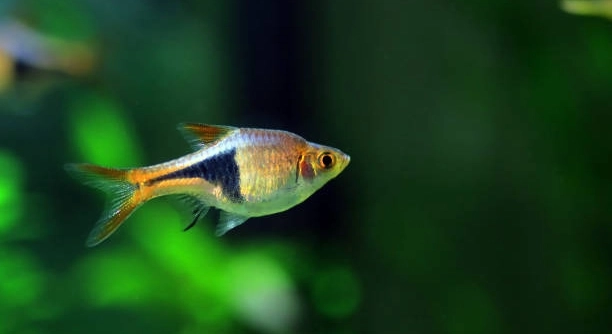
Tank compatibility is essential for maintaining a healthy aquarium environment. Mixing incompatible species can quickly lead to stress, aggression, or illness. Observing behavior early helps prevent long-term issues and ensures a peaceful, thriving tank for all its inhabitants.
Identifying tank incompatibility involves monitoring feeding patterns, swimming behavior, and territorial disputes. Differences in water parameter tolerance, growth rates, and activity levels are key indicators. Early recognition allows timely separation or adjustment, reducing stress and maintaining optimal tank conditions.
Recognizing these signs early protects your fish and keeps your aquarium balanced. Each method shared will help you act before conflicts escalate.
Uneven Aggression Levels
Some fish naturally show more aggression than others. This behavior can escalate quickly when mixed with calm, passive species. Observing interactions during feeding and free-swimming periods is essential. Aggressive fish may chase, nip fins, or block access to hiding spots. Early intervention prevents injuries and stress-related illnesses. Tank size, layout, and number of hiding spots influence how aggression manifests. Overcrowding can worsen aggressive behavior, making even usually calm fish act defensively. Compatibility isn’t just about species but also individual temperament. Adjusting tank setup, introducing visual barriers, or rearranging decorations can reduce territorial conflicts. Consistently monitoring behavior allows you to identify patterns and respond before serious issues arise. Choosing compatible species and understanding their natural behaviors ensures a calmer environment. Long-term, reducing aggression promotes healthier fish, better growth, and a more visually appealing aquarium. Small adjustments often make a significant difference in maintaining harmony among diverse tank mates.
Aggression can be subtle at first but noticing it early helps prevent injury and stress.
Even minor bullying can have cumulative effects. Repeated fin nipping or chasing reduces growth, weakens immune systems, and increases vulnerability to disease. Passive fish may stop eating or hide excessively, leading to further health decline. Observing feeding habits, swimming patterns, and interaction zones helps determine which fish are stressed. Using dividers, rearranging décor, or increasing space reduces conflicts. Consistent monitoring ensures you can respond quickly to changing dynamics. Aggressive fish may require relocation or a dedicated tank. Tank harmony relies on understanding species behavior, providing proper environment, and acting promptly to signs of stress.
Differences in Water Parameter Needs
Different species thrive in varying water conditions. Matching fish with similar pH, temperature, and hardness requirements prevents long-term health issues.
Ignoring water parameter differences can result in illness or stunted growth.
Species with conflicting needs may become weak, stressed, or more susceptible to disease. Tropical and cold-water fish often cannot coexist due to temperature mismatches. Similarly, fish preferring soft water may struggle in hard, alkaline conditions. Monitoring water chemistry regularly ensures all inhabitants remain healthy. Adjusting water parameters for one species can harm another, making careful selection crucial. Researching each species’ ideal environment before mixing helps avoid compatibility issues. Filtration, heating, and water changes must support the collective needs of the tank. Even subtle differences, like preferred temperature ranges of a few degrees, can impact feeding, activity, and immune response. Providing stable, suitable conditions reduces stress, prevents aggression, and supports long-term health. Planning species combinations carefully ensures a balanced and thriving aquarium ecosystem.
Feeding Conflicts
Unequal feeding habits can create tension. Aggressive eaters may dominate, leaving timid fish undernourished. Observing feeding routines helps identify potential problems early. Adjusting feeding methods ensures all fish receive adequate nutrition and reduces stress among tank mates.
Feeding conflicts often appear subtle at first. Aggressive fish rush to the food, while calmer species retreat to corners or hiding spots. Over time, this imbalance can weaken passive fish, affecting growth and immune function. Using multiple feeding stations, spreading food evenly, or feeding slower-reacting fish separately helps maintain balance. Understanding each species’ feeding behavior allows better tank management and prevents health decline.
Some species have very different diets, such as herbivores versus carnivores. Attempting to feed them the same food can create competition and nutritional gaps. Observing which fish get enough and adjusting portion sizes or feeding techniques ensures everyone thrives. Feeding strategies like sinking pellets for bottom dwellers or floating flakes for surface feeders accommodate natural habits. Consistent monitoring and minor adjustments prevent bullying and promote a calmer environment. Healthy feeding practices support growth, immunity, and overall harmony in the tank.
Size and Growth Differences
Large size differences can lead to unintentional bullying. Smaller fish may be intimidated, stressed, or injured by faster-growing tank mates.
Significant growth rate differences can create long-term challenges. A slow-growing species may constantly be chased or outcompeted for food. Rapidly growing fish can dominate territory and resources, making passive species retreat or hide. Planning tank populations with compatible size ranges prevents stress and reduces injury risks. Regular observation allows early identification of imbalance and timely interventions to protect smaller fish.
Fast-growing fish can outpace others in both size and strength. Territorial disputes, aggressive chasing, and accidental injuries increase when tank mates are mismatched. Smaller fish may struggle to access feeding areas or hiding spots, leading to poor nutrition and increased stress. Tank layout adjustments, such as adding visual barriers and extra hiding spaces, can mitigate conflicts. In some cases, separating incompatible sizes into different tanks may be necessary. Maintaining balance in size and growth ensures all fish can coexist peacefully, thrive, and display natural behaviors without constant competition or intimidation.
Territorial Behavior
Some fish claim specific areas as their own. When new tank mates enter, conflicts can arise over space. Observing movement patterns and preferred zones helps identify territorial disputes early. Proper tank layout with hiding spots reduces tension and promotes peaceful coexistence.
Territorial aggression can appear subtle. Fish may chase or block others from favorite spots. Adjusting decorations or adding visual barriers helps diffuse conflicts. Monitoring these behaviors ensures all fish have safe areas to retreat, reducing stress and preventing injuries.
Schooling vs. Solitary Species
Mixing schooling fish with solitary species can cause anxiety. Schooling fish rely on numbers for security, while solitary fish prefer space and minimal interaction. Understanding these social needs prevents stress and promotes natural behavior in both types of fish.
Activity Level Differences
Varying energy levels impact compatibility. High-energy fish may disturb calm species, causing stress. Balancing tank mates with similar activity patterns ensures a stable and harmonious environment, minimizing conflicts and supporting overall health.
Breeding Instinct Conflicts
Breeding behavior can trigger aggression. Mating pairs may attack other fish, especially during spawning. Monitoring and separating aggressive breeders protects the rest of the tank.
FAQ
How can I tell if my fish are stressed due to tank incompatibility?
Signs of stress include hiding excessively, loss of appetite, rapid breathing, or unusual swimming patterns. Fin damage from nipping, sudden aggression, or color fading are also common indicators. Observing behavior over time helps identify which fish may be struggling in the current setup.
What should I do if aggression appears suddenly?
Immediate steps include separating aggressive fish, adding visual barriers, or rearranging tank decorations to break up territories. Increasing hiding spots and monitoring feeding patterns can reduce tension. Persistent aggression may require relocating fish to a different tank or changing the species mix.
Can different water parameter preferences be managed in the same tank?
Small differences in temperature, pH, or hardness can sometimes be balanced with careful monitoring and gradual adjustments. However, extreme differences often stress fish and compromise health. Researching compatible species before combining them is the safest approach.
Are all size differences a problem?
Not always. Minor size differences may not create issues if the tank is spacious and hiding spots are available. Large or rapid growth differences can result in bullying, competition for food, and accidental injuries, so size-matching is often necessary for long-term harmony.
How do I handle feeding conflicts?
Multiple feeding stations or spreading food evenly helps reduce competition. Observing which fish eat first and adjusting portion sizes or feeding methods ensures timid fish get enough nutrition. Slow feeders may require separate feeding or specialized food placement to prevent malnourishment.
Do territorial fish always need separate tanks?
Not necessarily. Careful tank layout, ample hiding spots, and visual barriers can reduce conflicts. Observing interactions helps determine whether separation is required. Aggressive or highly territorial species often do better in species-specific tanks to prevent stress and injuries.
Can breeding behavior disrupt a community tank?
Yes. Breeding pairs may become aggressive toward other fish, especially during spawning. Separating mating pairs or creating a breeding tank protects the rest of the community. Observing breeding patterns allows timely intervention to maintain overall tank harmony.
How important is matching activity levels?
Highly important. Fast-moving, energetic fish can stress calmer species, leading to hiding, poor feeding, or health issues. Choosing species with similar activity patterns creates a balanced environment where all fish can thrive comfortably.
Is monitoring behavior enough to prevent incompatibility issues?
Regular observation is crucial but not always sufficient. Knowledge of species-specific needs, water parameters, and social behaviors is equally important. Combining observation with research and careful planning helps maintain a healthy and harmonious tank.
What is the easiest way to prevent tank incompatibility?
The simplest approach is to research each species thoroughly before adding them to the tank. Consider aggression levels, water parameters, diet, size, social needs, and activity patterns. Proper planning, a suitable tank layout, and ongoing monitoring help prevent most incompatibility issues from arising.
How quickly should I intervene when incompatibility signs appear?
Intervention should be immediate. Early action reduces stress, prevents injuries, and ensures weaker fish are protected. Adjusting tank conditions, separating fish, or rearranging décor can stop problems before they escalate into serious health or behavioral issues.
Can incompatible fish eventually get along?
Some conflicts may resolve if fish adapt to their environment or territorial boundaries are established. However, persistent aggression, feeding issues, or environmental stress usually require intervention or species separation to ensure safety and long-term health.
How do I know which species are compatible?
Compatibility is determined by reviewing species behavior, size, activity level, water requirements, and social needs. Resources such as aquarium guides, forums, and species-specific care sheets provide reliable information for planning a harmonious tank. Observation after introduction confirms practical compatibility.
What role does tank size play in compatibility?
Larger tanks offer more space, reducing territorial disputes, stress, and competition for resources. Small tanks amplify conflicts, making careful species selection essential. Adequate space and proper layout are critical for accommodating social structures and natural behaviors.
Is it possible to mix schooling and solitary fish successfully?
Yes, but careful observation and tank layout are necessary. Schooling fish rely on numbers for security, while solitary species need space and privacy. Providing hiding spots, avoiding overcrowding, and monitoring interactions ensures both types can coexist without stress.
How often should I check for incompatibility signs?
Daily observation is ideal, especially after introducing new fish. Early detection of aggression, stress, or health issues allows for prompt intervention. Regular water parameter checks complement behavioral monitoring, ensuring all fish remain healthy and stress-free.
Can plants and décor reduce incompatibility issues?
Absolutely. Hiding spots, visual barriers, and structured territory divisions help reduce aggression and provide security. Plants, rocks, and decorations allow fish to retreat, establish boundaries, and minimize conflicts in mixed-species tanks.
Should I rehome incompatible fish?
If adjustments, barriers, and careful monitoring fail to resolve conflicts, rehoming is a responsible option. Protecting stressed or bullied fish ensures long-term health and prevents injuries. Assessing each situation individually helps determine the best course of action.
What are the most common signs that a tank mix is failing?
Visible fin damage, constant chasing, hiding, loss of appetite, color fading, and unusual swimming patterns indicate stress or aggression. Early recognition allows intervention to prevent illness, injury, or death, maintaining a balanced and peaceful tank environment.
How do I prevent long-term health problems from incompatibility?
Ensure compatible water parameters, balanced diets, proper tank size, and hiding spaces. Monitor behavior regularly and intervene at the first sign of conflict. Preventive planning and ongoing observation are key to supporting fish health and maintaining a thriving community tank.
Final Thoughts
Maintaining a harmonious aquarium requires careful attention to tank compatibility. Different species have unique needs, behaviors, and social structures. Overlooking these factors can lead to stress, aggression, and health problems. Observing your fish regularly and understanding their natural tendencies is essential. Paying attention to aggression levels, feeding habits, territorial behavior, and social needs helps identify potential issues before they escalate. Small changes in the tank setup, such as adding hiding spots, rearranging decorations, or providing visual barriers, can have a significant impact on reducing conflicts. By creating an environment that respects each species’ requirements, fish are more likely to thrive and display natural behaviors, making the aquarium a healthier and more enjoyable space.
Proper planning and research are also key components of long-term success. Before introducing new species, it is important to know their ideal water parameters, growth rates, and activity levels. Mixing species with conflicting water requirements or incompatible temperaments often results in stress and illness. Size differences should also be considered, as fast-growing or larger fish may dominate smaller, slower-growing species. Feeding routines must be adapted to accommodate all fish, ensuring that timid or slow eaters receive enough nutrition. Regular monitoring of behavior, eating patterns, and physical health allows early detection of incompatibility issues, making it easier to address them promptly. The combination of research, observation, and careful adjustments helps prevent problems that could compromise the well-being of your aquarium community.
Finally, managing a tank with multiple species is an ongoing responsibility that requires patience and attention. Fish are sensitive to changes in their environment, and even minor adjustments can affect their comfort and health. Interventions such as separating aggressive fish, modifying tank layout, or adjusting feeding strategies are sometimes necessary to maintain balance. Using these strategies consistently helps reduce stress, prevent injuries, and encourage natural behavior. While achieving perfect compatibility may not always be possible, taking proactive steps ensures a safer and more stable environment for all inhabitants. Ultimately, focusing on the needs of each species, maintaining proper conditions, and staying observant allows your aquarium to flourish while minimizing stress and conflict. A well-managed tank results in healthier, happier fish and a more visually appealing, peaceful aquatic environment.

Hello,
If you enjoy the content that we create, please consider saying a "Thank You!" by leaving a tip.
Every little bit helps us continue crafting quality advice that supports the health, happiness, and well-being of pets around the world, for pets of all shapes, sizes, and species.
We really appreciate the kindness and support that you show us!