
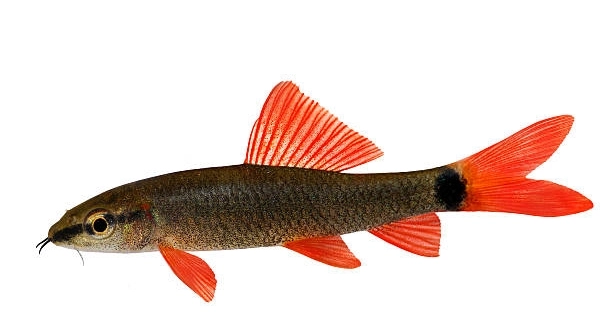
Rainbow sharks are popular aquarium fish known for their sleek appearance and active nature. However, these fish can experience stress, which affects their health and behavior. Early signs of stress are important for owners to recognize and address promptly.
Rainbow shark tank stress can be identified through specific behavioral and physical changes. Common indicators include loss of appetite, erratic swimming, hiding, faded colors, and damaged fins. Early detection helps prevent serious health issues and maintains a balanced tank environment.
Recognizing these signs early allows owners to take action before stress worsens and impacts the entire aquarium ecosystem.
Changes in Swimming Patterns
When rainbow sharks experience stress, their swimming behavior often changes noticeably. They may swim erratically, darting around the tank without purpose or suddenly stopping and hovering in one spot. Sometimes, stressed sharks become less active and spend more time hiding behind decorations or plants. This shift in behavior signals discomfort and possible health problems. Stress can result from poor water quality, overcrowding, or aggressive tank mates. Keeping a close eye on your fish’s movement is important. If you notice unusual swimming, it is a sign to check the tank environment and make adjustments. Ensuring clean water and proper space can help your rainbow shark feel more comfortable and reduce stress. Regular observation helps prevent small issues from turning into serious health concerns.
Erratic or sluggish swimming is a clear sign that your rainbow shark may be under stress and needs attention to its environment.
Understanding swimming changes helps you spot stress early and improve the living conditions for your fish.
Loss of Appetite
A common sign that your rainbow shark is stressed is a sudden decrease in appetite. Stressed fish may refuse food or eat much less than usual, which can lead to weakness and vulnerability to disease. This behavior often accompanies other symptoms such as pale coloration or hiding. Loss of appetite can be caused by poor water conditions, temperature fluctuations, or bullying by other tank inhabitants. It is important to monitor feeding habits regularly and remove any aggressive fish if necessary. Offering a varied diet can also encourage eating and improve overall health. Feeding small amounts frequently is better than one large feeding to reduce stress. Prompt action is essential to avoid prolonged malnutrition and related health issues. Keeping a calm and clean environment will support your fish’s well-being and encourage normal feeding behavior.
Faded Colors
Faded or dull colors in a rainbow shark often indicate stress or poor health. When their vibrant hues start to lose brightness, it’s a sign that something is wrong.
Stress, illness, or poor water quality can cause a rainbow shark’s colors to fade. Healthy fish usually display bold, clear colors, so dullness often signals discomfort. Poor lighting or incorrect water temperature can also affect coloration. It’s important to test water parameters regularly and maintain stable tank conditions. Improving water quality and reducing stress factors can help restore the fish’s natural color. Nutrition plays a role too; feeding a balanced diet supports vibrant hues. Observing your fish closely will help you notice color changes early and take proper action.
If fading colors come with other signs like lethargy or loss of appetite, a health problem might be developing. Early intervention, such as a partial water change or adjusting tank mates, can prevent further decline.
Damaged Fins
Damaged or frayed fins are common signs of stress in rainbow sharks. This damage often happens from aggression or poor tank conditions.
Aggressive tank mates or overcrowding can cause physical injuries to your fish’s fins. Sharp objects or rough decorations in the tank can also lead to fin damage. Additionally, poor water quality may weaken fins and slow healing. It’s essential to keep the tank clean and ensure fish compatibility to prevent stress-related injuries. Regular water testing and maintenance will promote fin health. Removing aggressive fish and providing hiding spots can reduce stress and physical harm. Monitoring your rainbow shark’s fins often helps catch issues early before infections develop. Healthy fins are important for swimming and overall well-being.
Excessive Hiding
Rainbow sharks that hide more than usual may be feeling stressed or threatened. Hiding reduces their exposure but also limits their activity.
This behavior can be caused by new tank mates, sudden changes in the environment, or poor water quality. If hiding continues, it’s important to check these factors and make adjustments to reduce stress.
Gasping at the Surface
Gasping at the surface is a serious sign of stress or poor oxygen levels in the tank. It means your rainbow shark might not be getting enough oxygen.
Low oxygen can result from poor water circulation, overcrowding, or dirty water. Improving aeration and performing regular water changes will help your fish breathe better and feel more comfortable.
Clamped Fins
Clamped fins occur when a rainbow shark keeps its fins close to the body. This usually indicates discomfort or stress. It’s a subtle but clear signal that something needs attention.
How can I reduce stress for my rainbow shark?
Reducing stress starts with creating a stable and comfortable environment. Keep the tank clean by performing regular water changes and testing water parameters often. Ensure proper filtration and aeration to maintain good oxygen levels. Avoid overcrowding the tank and choose peaceful tank mates that won’t bully your rainbow shark. Provide hiding places using decorations or plants so your fish can retreat when feeling threatened. Keep the water temperature steady, ideally between 75°F and 79°F (24°C to 26°C), and avoid sudden changes. Feeding a balanced diet regularly also helps keep your fish healthy and less prone to stress.
What are the main causes of stress in rainbow sharks?
Stress in rainbow sharks usually comes from poor water quality, overcrowding, aggressive tank mates, or sudden environmental changes. High levels of ammonia, nitrites, or nitrates in the water can harm their health. Too many fish in a small tank creates competition and discomfort. Aggressive fish can chase or nip at rainbow sharks, increasing their stress. Changes such as moving the tank, altering lighting, or sudden temperature shifts also upset them. Identifying and fixing these issues early helps maintain a healthy environment for your fish.
Can stress in rainbow sharks cause diseases?
Yes, stress weakens a rainbow shark’s immune system, making it more vulnerable to diseases. Common illnesses related to stress include fin rot, ich (white spot disease), and bacterial infections. When fish are stressed, their bodies cannot fight infections as well. Symptoms such as faded colors, damaged fins, or unusual swimming behaviors often appear alongside illness. Keeping stress low by maintaining good water quality and a calm environment reduces the chances of diseases developing.
How long does it take for a stressed rainbow shark to recover?
Recovery time depends on the cause and severity of the stress. Mild stress from temporary changes might improve within a few days after fixing water quality or adjusting tank conditions. More severe stress or illness can take weeks to heal, especially if treatment is needed. Providing a stable environment and proper nutrition during recovery supports healing. Be patient and continue monitoring water parameters and behavior closely to ensure the fish fully recovers.
Is it normal for rainbow sharks to hide often?
While rainbow sharks do hide sometimes, especially during the day or when new to a tank, excessive hiding is a concern. Constant hiding usually signals stress or discomfort. It may indicate bullying, poor water conditions, or lack of adequate hiding spots. Providing plenty of shelters and reducing stress factors helps the fish feel safer and encourages more active behavior. If hiding persists despite these changes, health problems could be involved and should be checked.
What should I do if my rainbow shark stops eating?
A loss of appetite can quickly lead to health problems, so it needs prompt attention. First, check the water quality to make sure parameters are within safe levels. Observe the tank for aggressive fish or other signs of stress. Try offering different types of food like pellets, flakes, or frozen items to stimulate appetite. Feed small amounts multiple times a day instead of one large feeding. If appetite does not improve within a few days or other symptoms appear, consulting an aquatic veterinarian or fish expert is recommended.
Can tank size affect rainbow shark stress levels?
Yes, tank size plays a big role in stress. Rainbow sharks need enough space to swim actively and establish territories. Small or overcrowded tanks cause stress due to lack of room and increased aggression. A minimum tank size of 30 gallons is recommended for one rainbow shark, with larger tanks preferred if keeping multiple fish or other species. Adequate space reduces fighting and helps maintain stable water conditions, both of which lower stress.
How often should I check my rainbow shark for signs of stress?
Regular observation is key to catching stress early. It’s best to watch your fish daily during feeding or quiet times. Look for changes in swimming, color, appetite, and interaction with tank mates. Also, test water quality at least once a week. Keeping a close eye helps you spot problems before they become serious and take timely action to protect your rainbow shark’s health.
Are there any signs that show stress is getting worse?
Yes, worsening stress often shows through increased lethargy, loss of color, torn fins, or gasping at the water surface. The fish may isolate itself completely or display erratic swimming. These signs mean the stress is impacting health significantly and needs immediate attention. Ignoring these symptoms can lead to illness or death. Responding quickly by improving tank conditions and possibly seeking professional advice can save your fish.
Can adding plants help reduce stress in rainbow sharks?
Adding live or artificial plants can help reduce stress by providing hiding places and creating a more natural environment. Plants break up open spaces, giving fish areas to feel safe. They also improve water quality by absorbing some waste products in live setups. However, make sure plants do not overcrowd the tank or block swimming space. Well-chosen plants can support a peaceful, balanced aquarium that keeps rainbow sharks more comfortable.
When caring for rainbow sharks, paying close attention to signs of stress is very important. Stress can affect their health and behavior, leading to serious problems if left unnoticed. Changes like faded colors, unusual swimming, hiding too much, or loss of appetite are clear signals that the fish needs help. By regularly observing your rainbow shark and its environment, you can catch these signs early. Early detection allows you to make quick adjustments to water quality, tank conditions, or tank mates, helping your fish feel more comfortable and stay healthy.
Maintaining a stable and clean aquarium is the best way to prevent stress in rainbow sharks. Regular water changes, proper filtration, and monitoring water parameters such as temperature, pH, and ammonia levels create a safe space for your fish. Choosing compatible tank mates and giving your rainbow shark enough room to swim will also reduce tension in the tank. Providing hiding spots like plants or decorations helps your fish feel secure. Feeding a balanced diet regularly supports their immune system and vibrant colors. These simple steps make a big difference in the well-being of your rainbow shark.
Taking care of rainbow sharks requires patience and attention, but it is rewarding to see them thrive. Stress can be managed or prevented with good tank care and awareness of behavior changes. If you notice any signs of stress, it is important to act quickly to improve the situation. Remember that every fish is unique and may react differently to changes in their environment. With consistent care and observation, your rainbow shark can enjoy a healthy and peaceful life in your aquarium.

Hello,
If you enjoy the content that we create, please consider saying a "Thank You!" by leaving a tip.
Every little bit helps us continue crafting quality advice that supports the health, happiness, and well-being of pets around the world, for pets of all shapes, sizes, and species.
We really appreciate the kindness and support that you show us!