
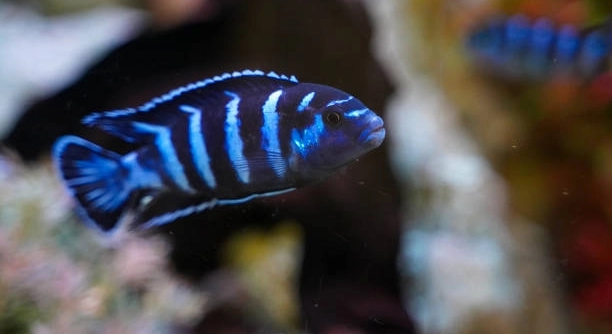
African cichlids are colorful and lively fish often kept in home aquariums. Keeping them healthy is important for their well-being and the enjoyment of their vibrant presence. Recognizing early signs of illness helps maintain a thriving tank environment.
Spotting illness in African cichlids involves observing changes in behavior, appetite, coloration, and physical appearance. Common indicators include lethargy, loss of appetite, abnormal swimming, faded colors, spots, or sores on the body. Early detection supports effective treatment and recovery.
Knowing how to identify these signs can prevent serious health issues and keep your cichlids happy and active for a long time.
Changes in Behavior
African cichlids usually have a consistent activity level. When they start acting differently, it can be a sign of illness. You might notice your fish becoming unusually lethargic, hiding more than usual, or swimming erratically. These changes are often the first clues that something is wrong. Some illnesses cause the fish to lose their normal energy, while others may lead to spasms or difficulty swimming. Watching your fish daily helps you catch these subtle changes early. Small shifts in behavior may go unnoticed at first but can worsen if not addressed. Keeping a close eye on their daily routine gives you an advantage in spotting illness before physical symptoms appear.
Lethargy or unusual hiding often indicates stress or sickness in African cichlids. Early observation is key to intervention.
Identifying behavioral changes requires patience. Sometimes fish slow down simply because of water temperature or stress. However, if these behaviors persist or worsen, it likely points to a health issue. Checking water quality and tank conditions along with behavior is essential to rule out environmental causes. If water parameters are stable and fish remain inactive, a closer look at potential diseases is needed. Regular monitoring will help you distinguish between normal variations and signs that need treatment.
Loss of Appetite
A sudden drop in appetite is a clear sign that your cichlid may be unwell. Healthy fish are usually eager to eat and respond quickly to feeding time. When they refuse food or eat less over several days, it indicates an underlying problem. This could be due to internal parasites, bacterial infections, or poor water quality affecting their health. Loss of appetite can weaken fish quickly, making it harder for them to fight illness. Noticing this early allows you to take steps like testing water or consulting a vet. Sometimes, it’s also a sign of stress caused by changes in the tank or aggressive tank mates. Feeding habits provide important clues about your fish’s condition and should not be overlooked.
Poor appetite is one of the earliest and most reliable signs of illness in African cichlids.
Watching your fish’s eating patterns helps you catch sickness before it escalates. Fish that stop eating often lose energy and color fast. It’s important to remove any uneaten food to prevent water contamination, which can worsen their condition. Adjusting diet or adding medicated food may be necessary after identifying the cause. Sometimes, offering live or frozen food can stimulate appetite during recovery. Paying attention to feeding response improves your chances of catching illness early and improving your fish’s chances of healing.
Changes in Coloration
Faded or dull colors often show that an African cichlid is under stress or ill. Healthy cichlids usually display vibrant colors, so any change is worth noting.
Color loss can result from poor water conditions, parasites, or nutritional deficiencies. When a fish becomes pale or blotchy, it signals that something is affecting its well-being. Some diseases cause discoloration in specific areas, such as dark spots or redness around the fins. Stress from overcrowding or aggressive tank mates can also dull a fish’s colors. Monitoring water quality and diet often helps restore their natural hues, but persistent color changes may require treatment.
Infections and parasites often cause color changes by damaging the skin or scales. Early detection helps prevent further damage and spread to other fish. Adjusting tank conditions and treating the illness quickly improves recovery chances.
Physical Signs of Illness
Visible changes like sores, white spots, or fin damage clearly indicate health problems in African cichlids. These physical signs are often linked to infections or injuries.
Sores or ulcers usually appear due to bacterial infections or poor water quality. White spots on the body or fins are common signs of ich, a parasite disease. Torn or frayed fins may result from fin rot or aggressive tank mates. It’s important to isolate sick fish to avoid spreading infections. Clean tank water and proper medication can help heal these symptoms. Regular inspection helps catch these signs early, preventing more severe damage.
Fin rot and ich are common issues causing physical changes. Quick treatment and maintaining good tank hygiene support healing and reduce the chance of relapse. Watching your fish daily allows you to notice these signs early and act swiftly.
Abnormal Swimming Patterns
Unusual swimming behavior, like spinning or floating sideways, often signals a health issue in African cichlids. These patterns can indicate swim bladder problems or neurological damage.
Erratic swimming may also result from poor water quality or internal parasites. Observing how your fish moves helps identify when something is wrong early.
Excess Mucus Production
Excess mucus or slime coating on the fish’s body is a common response to irritation or infection. This extra layer protects the skin but also signals stress or disease.
Parasites, poor water conditions, or bacterial infections often cause increased mucus production. Keeping the tank clean and treating infections promptly reduces this symptom and helps the fish recover faster.
Gasping at the Surface
Gasping at the water surface means your fish might be struggling to get enough oxygen. This can be due to low oxygen levels or poor water quality.
Checking aeration and water parameters is essential to improve oxygen availability and keep your cichlids healthy.
FAQ
How can I prevent illness in my African cichlids?
Keeping your tank clean and maintaining stable water parameters are the best ways to prevent illness. Regular water changes, proper filtration, and monitoring temperature and pH keep the environment healthy. Avoid overcrowding and introduce new fish slowly to prevent stress and disease transmission. A balanced diet also supports their immune system.
What should I do if I notice my cichlid is sick?
Start by isolating the sick fish in a separate quarantine tank to prevent spreading illness. Test your water quality immediately and correct any issues. Observe the fish closely for specific symptoms to identify the problem. Depending on symptoms, treatment may include medication or adjusting tank conditions. Consult a vet or experienced aquarist if unsure.
How often should I check my African cichlids for signs of illness?
Daily observation is ideal. A quick glance during feeding time helps spot changes in behavior, appetite, or appearance early. Early detection improves treatment success and prevents illness from worsening.
Can stress cause illness in African cichlids?
Yes, stress weakens their immune system, making them more vulnerable to diseases. Causes include poor water quality, overcrowding, aggressive tank mates, or sudden changes in the environment. Reducing stress improves their overall health.
Is it normal for African cichlids to lose color sometimes?
Temporary color fading can occur due to stress or changes in lighting, but persistent dullness often signals illness or poor water conditions. If color loss lasts more than a day or two, check water quality and health closely.
What are common diseases in African cichlids?
Common illnesses include ich (white spot disease), fin rot, bacterial infections, and parasites. Each has specific signs like white spots, torn fins, or sores. Prompt treatment is important to stop the disease from spreading or worsening.
How do I treat ich in African cichlids?
Ich is treated by raising the water temperature gradually and using over-the-counter medications designed for parasites. Increasing aeration and maintaining clean water help fish recover faster. Treatment usually lasts about one to two weeks.
Can I use human medications for my fish?
No, human medications are not safe for fish and can harm or kill them. Use only treatments specifically designed for aquarium fish and follow dosage instructions carefully.
How important is diet in preventing illness?
A varied and balanced diet strengthens your fish’s immune system. Feeding high-quality flakes, pellets, and occasional live or frozen foods provides necessary nutrients. Avoid overfeeding to keep water quality high.
What signs mean I should seek professional help for my fish?
If symptoms persist despite treatment, or if multiple fish become sick quickly, it’s time to consult an aquatic veterinarian or an experienced fish specialist. Unusual behaviors, severe sores, or rapid death also require professional advice.
African cichlids are beautiful and active fish that bring a lot of life to any aquarium. Keeping them healthy takes some effort, but it is very rewarding. Knowing how to spot early signs of illness helps prevent many common problems from becoming serious. By paying attention to their behavior, appetite, color, and physical condition, you can catch issues before they cause permanent harm. It’s important to remember that regular observation is the best way to keep your fish healthy. This means checking your cichlids daily and knowing what normal looks like for them.
Maintaining a clean and stable environment is one of the most important parts of caring for African cichlids. Water quality has a direct impact on their health. Regular water changes, good filtration, and monitoring key parameters like temperature, pH, and ammonia levels make a big difference. Overcrowding and stress from aggressive tank mates can also cause illness, so providing enough space and a peaceful setup is essential. Feeding your fish a balanced diet helps keep their immune systems strong and supports recovery if they do get sick. Prevention through proper care is always easier than trying to treat a serious disease.
If you notice any signs of illness, taking quick action can save your fish’s life. Isolating sick fish, checking water conditions, and using appropriate treatments help stop disease from spreading. Sometimes, even with the best care, fish may get sick, so patience and attention are needed during recovery. When in doubt, don’t hesitate to seek advice from experts or professionals. Caring for African cichlids requires time and effort, but with the right knowledge and care, your fish can live long, healthy lives, brightening your aquarium for years to come.

Hello,
If you enjoy the content that we create, please consider saying a "Thank You!" by leaving a tip.
Every little bit helps us continue crafting quality advice that supports the health, happiness, and well-being of pets around the world, for pets of all shapes, sizes, and species.
We really appreciate the kindness and support that you show us!