
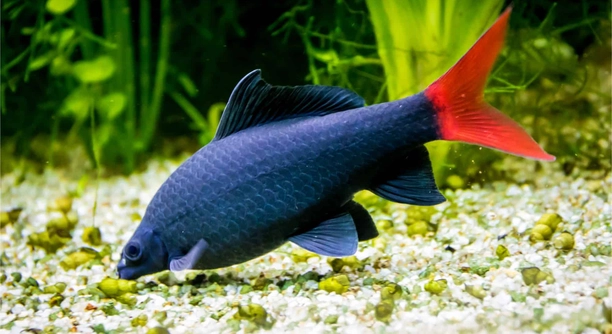
Is your rainbow shark acting a bit off lately, not swimming around as much or hiding more than usual? These small changes can sometimes be signs of something deeper going on with your fish’s health. Understanding the early signs can help you prevent serious issues.
Dehydration in rainbow sharks often results from poor water quality or lack of proper electrolytes. Signs include lethargy, faded color, reduced appetite, and erratic swimming. Addressing these symptoms early is key to your fish’s recovery.
Knowing what to look for can make a real difference in keeping your rainbow shark healthy and active in the long run.
Cloudy Eyes and Faded Color
Rainbow sharks usually have vibrant colors and clear eyes, so it’s easy to notice when something looks off. If their eyes become cloudy or their body starts to look dull, it could be a sign of dehydration. Poor water conditions, stress, or imbalanced electrolytes in the tank can lead to this. Dehydration affects their internal balance and can make it hard for them to maintain their natural color. While it’s normal for color to change slightly over time, a sudden or patchy fade shouldn’t be ignored. Keep an eye on your shark’s behavior and appearance. If you notice dullness paired with other symptoms like lethargy or lack of appetite, it’s worth checking the tank’s temperature, pH, and mineral levels. Ensuring clean, balanced water is one of the most effective ways to help your rainbow shark feel better and keep their natural color vibrant and healthy-looking.
Changes in appearance are one of the first signs that your rainbow shark may be dehydrated. It’s important to act quickly before the issue worsens.
A fish’s outer look can tell you a lot about their internal health. Cloudy eyes might mean they’re struggling to stay hydrated, while faded color is often a reflection of poor water quality. These visual signs give you a chance to respond early. A quick check of the water’s pH, temperature, and general cleanliness can often point you toward the root of the problem. If all seems fine and the shark still looks dull or foggy-eyed, you may want to introduce minerals or electrolyte treatments to the tank. These help restore proper hydration levels and can improve your fish’s overall condition. Some owners also find success with small water changes and better filtration. Simple adjustments can bring noticeable improvements.
Lethargy and Hiding
When a rainbow shark is dehydrated, they often stop swimming as much and hide more frequently. They may also avoid food or act less reactive to movement.
This kind of behavior isn’t just about mood—it’s often tied to physical discomfort. Dehydration in fish interferes with how their cells function. If a rainbow shark’s body can’t absorb and balance water properly, they might feel weak or even a little dizzy in the water. That makes them more likely to find a corner to rest in rather than swim around. You might also notice that they don’t chase other fish or explore the tank like they usually do. These changes can happen gradually, which is why it’s important to monitor your shark regularly. Adjusting the tank’s temperature, making sure the filtration is working properly, and providing a consistent day-night cycle can help reduce stress. Don’t forget to check if their diet includes everything they need. Lack of certain minerals can also make hydration harder to maintain. Watching for this shift in energy and movement can help you catch issues before they grow.
Loss of Appetite
A dehydrated rainbow shark may start refusing food or show less interest during feeding times. This isn’t just picky behavior—it’s usually tied to stress, internal imbalance, or discomfort related to poor hydration. Skipping meals for more than a day can signal something’s wrong inside their system.
Rainbow sharks are usually eager eaters, especially when kept on a regular feeding schedule. So when they start ignoring food or just nibbling a bit before swimming away, it’s worth paying attention. Dehydration can affect digestion and reduce energy, making eating feel more like a strain than a need. If your shark has gone a day or two without eating, check your tank’s conditions right away. Make sure the temperature is steady, and test the water for ammonia, nitrate, and pH balance. Even something as simple as a clogged filter or recent water change could impact appetite. A stressed or dehydrated fish won’t feel well enough to eat normally.
Make feeding time calmer and more consistent. Avoid overfeeding, as leftover food can worsen water quality and make hydration harder. Try using a mix of sinking pellets and fresh, high-protein options to see if appetite returns. If they continue to refuse food, try moving feeding times slightly or reducing tank stress with dimmer lighting. Sometimes, even small changes can help your shark feel safer and more settled. Give it a few days, and if nothing improves, consider isolating them briefly for observation or consulting a vet experienced in aquatic health. Dehydration can be reversed with the right care.
Erratic Swimming
Erratic swimming can happen when your rainbow shark struggles to keep its balance in the water. They may dart, tilt, or seem disoriented. Dehydration affects the inner functions that control movement and coordination, leading to unnatural swimming behaviors.
Most rainbow sharks swim smoothly and confidently, especially when the tank is calm and conditions are stable. When hydration is off, their ability to control buoyancy and direction can be affected. They might float sideways, bump into tank walls, or shoot off suddenly before hiding again. These changes usually don’t happen for no reason. Check the tank’s temperature first—sudden drops or spikes can cause internal stress. Then test for water hardness and mineral levels, since both play a big role in hydration. Avoid drastic water changes or new tank mates until things settle. Add some aquarium-safe electrolyte supplements if needed. With better water balance, your rainbow shark can return to more natural, steady swimming.
Gasping at the Surface
If your rainbow shark is spending more time near the surface and opening its mouth repeatedly, it might be trying to get more oxygen. This often happens when the water lacks enough oxygen or when hydration levels are off.
Dehydration can make it harder for fish to process oxygen through their gills. When water quality drops or the tank becomes too warm, oxygen levels fall, and your shark may struggle to breathe normally. This makes them rise to the top, where oxygen levels are usually higher.
Skin Looks Rough or Flaky
Dry-looking or rough skin can signal poor hydration. Rainbow sharks normally have smooth, sleek bodies, so patches that appear dull, flaky, or slightly raised should be taken seriously. Dehydration can impact the protective slime coat, leaving them more exposed and uncomfortable.
Less Reactive to Movement
If your rainbow shark stops responding when you approach the tank, it may be feeling sluggish or disoriented. Lack of hydration affects energy and alertness. This slower reaction time is often one of the clearer signs that something isn’t right inside their system.
How can I tell if my rainbow shark is dehydrated?
Signs of dehydration in rainbow sharks include lethargy, faded colors, cloudy eyes, loss of appetite, erratic swimming, gasping at the surface, rough or flaky skin, and reduced responsiveness. These symptoms usually appear gradually but can worsen if water conditions remain poor or if stress levels increase. Monitoring your fish’s behavior and appearance regularly helps you spot early problems and act quickly.
What causes dehydration in rainbow sharks?
Dehydration often results from poor water quality, improper temperature, and a lack of essential minerals or electrolytes. If the water has high ammonia, nitrites, or nitrates, it can stress the fish and disrupt their internal water balance. Sudden changes in water parameters or an unbalanced diet can also affect hydration. Maintaining clean, stable water with proper mineral content is key to preventing dehydration.
Can dehydration be reversed in rainbow sharks?
Yes, dehydration can be reversed if caught early. Improving water quality by performing regular water changes, maintaining proper temperature, and adding aquarium-safe mineral supplements helps restore hydration. Providing a balanced diet rich in nutrients also supports recovery. Avoid stress by limiting sudden changes and ensuring tank mates are peaceful. If symptoms persist, consulting a vet experienced with fish is a good step.
How often should I test my aquarium water?
Testing water at least once a week is recommended, especially if you notice signs of dehydration. Regular checks for ammonia, nitrite, nitrate, pH, and hardness ensure the environment stays healthy. Frequent testing helps catch problems before they impact your fish’s health. Use reliable test kits and keep a log to track changes over time.
What water temperature is best for a rainbow shark?
Rainbow sharks thrive in temperatures between 72°F and 79°F (22°C–26°C). Water outside this range can stress the fish and affect hydration. Use a reliable aquarium heater and thermometer to keep temperature steady. Avoid sudden fluctuations by making gradual changes when adjusting the tank’s conditions.
Should I add electrolytes to my tank?
Adding aquarium-safe electrolyte supplements can help restore balance if your rainbow shark shows dehydration signs. These minerals support proper hydration and cell function. Use products specifically designed for freshwater fish and follow instructions carefully. Overuse can cause other problems, so it’s best to treat based on water test results or professional advice.
How does diet affect hydration?
A balanced diet provides essential vitamins and minerals that support hydration and overall health. Feeding high-quality pellets, occasional live or frozen foods, and avoiding overfeeding helps maintain good water quality and nutrient levels. Lack of proper nutrition can weaken your fish’s immune system and worsen dehydration symptoms.
Can dehydration cause other health issues?
Yes, dehydration can weaken the immune system and make your rainbow shark more vulnerable to infections, parasites, and diseases. It also affects the slime coat, which protects the fish from harmful bacteria. Early treatment of dehydration reduces the risk of more serious health problems.
Is hiding behavior always a sign of dehydration?
Not always. Rainbow sharks naturally like to hide sometimes, especially during rest or when they feel threatened. However, increased hiding combined with other symptoms like lethargy, loss of appetite, and faded colors can indicate dehydration or illness. Observing changes in normal behavior patterns helps determine if there’s cause for concern.
What should I do if my rainbow shark refuses to eat?
First, check water conditions and look for other signs of dehydration or illness. Make sure the tank environment is stable and stress-free. Try offering different foods, like live or frozen options, to stimulate appetite. If the refusal continues for more than a couple of days, seek advice from a fish health specialist. Early intervention is important to prevent worsening dehydration or malnutrition.
Taking care of a rainbow shark means paying close attention to its health and environment. Dehydration is a common issue that can cause many problems if left untreated. Recognizing the early signs, like changes in color, behavior, or appetite, is important for any fish keeper. These signs give clues about the fish’s well-being and the quality of the water it lives in. Water conditions can change quickly, so regular testing and maintenance are key to keeping your rainbow shark healthy and comfortable. Clean, stable water with the right temperature and mineral balance helps prevent dehydration and keeps your fish active.
When a rainbow shark shows signs of dehydration, it is important to act quickly. Small changes like adjusting water temperature, improving filtration, or adding electrolyte supplements can make a big difference. Feeding your fish a balanced diet and avoiding overfeeding also supports good health. Stress can make dehydration worse, so keeping the tank environment calm and consistent helps your fish recover faster. Watching your rainbow shark’s behavior every day will help you catch any problems early. If you notice your fish refusing food, hiding a lot, or swimming oddly, these could be signs that something needs attention. The sooner you address these issues, the better chance your fish has at bouncing back.
Taking care of a rainbow shark requires patience and care. Each fish is unique and may respond differently to changes or treatments. Always be gentle when making adjustments, and give your fish time to improve. If you are unsure about the signs or how to help, seeking advice from an expert or veterinarian who understands fish can provide useful guidance. Keeping a happy and healthy rainbow shark means staying informed and involved. With the right care and attention, your rainbow shark can live a long, vibrant life in your aquarium.

Hello,
If you enjoy the content that we create, please consider saying a "Thank You!" by leaving a tip.
Every little bit helps us continue crafting quality advice that supports the health, happiness, and well-being of pets around the world, for pets of all shapes, sizes, and species.
We really appreciate the kindness and support that you show us!