
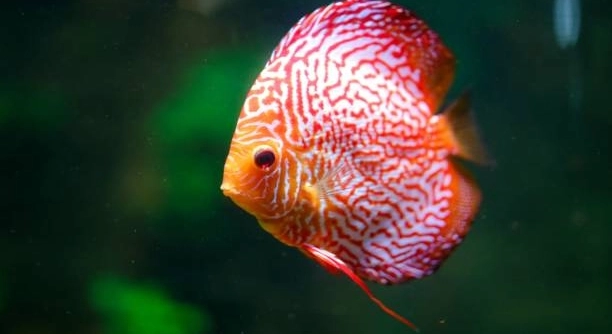
Discus fish are known for their beauty and calm nature, but sometimes they show subtle signs of aggression. Recognizing these hidden behaviors early can help maintain a peaceful aquarium environment. This article explores common ways to spot such aggression.
Hidden aggression in discus often appears through changes in posture, fin displays, chasing behavior, or sudden territorial actions. These signs may not be obvious but can disrupt the social balance and health of the fish if left unnoticed. Identifying these behaviors early is crucial for proper management.
Understanding these subtle signs will help you protect your discus community and keep your tank peaceful and healthy for all its inhabitants.
Changes in Posture and Body Language
Discus fish use their body language to communicate, and changes in posture can reveal hidden aggression. When a discus flares its fins, puffs up its body, or lowers its head, it might be signaling dominance or discomfort. These subtle movements can happen quickly and often go unnoticed by aquarium owners. Observing your discus closely during feeding or tank activity times can help catch these signs early. Aggressive fish may also keep a rigid stance or swim with a tense, jerky motion, signaling they are ready to defend their territory. It’s important to watch how your discus interact with each other, as repeated displays of these postures might indicate ongoing tension. If aggression is left unchecked, it can lead to stress or injury, affecting the health and balance of your aquarium. Recognizing these body language signals is the first step to managing aggression effectively and ensuring a calm tank environment.
Aggressive body language can disturb the group’s harmony. Early detection helps prevent physical fights and long-term stress among discus fish.
Paying attention to these subtle body language changes creates a more peaceful environment. When you notice repeated aggressive posturing, consider adjustments like rearranging the tank or separating aggressive individuals. These actions help reduce stress and promote healthier interactions among your discus. This approach protects the overall well-being of your fish and keeps your aquarium stable.
Territorial Behavior in Discus
Territorial behavior is a common cause of aggression in discus, especially in smaller tanks.
Discus fish often claim specific areas as their territory, defending them against others. This behavior may include chasing away intruders, blocking access to favored spots, or digging in the substrate. Territorial disputes can increase if the tank is overcrowded or lacks enough hiding places. Providing ample space and decorations like plants or caves helps disperse aggressive tendencies by giving fish areas to retreat. Watching for persistent guarding of one area or constant chasing can indicate that territorial aggression is present. Over time, this behavior can exhaust fish, reduce feeding opportunities, and cause injury. Adjusting tank size or rearranging the environment to break up established territories can reduce conflict. Creating a balanced setup that allows discus to establish personal space without constant fighting supports a healthier and more peaceful aquarium.
Chasing and Nipping Behavior
Chasing and nipping are clear signs of aggression in discus fish. When one fish repeatedly chases or bites another, it creates stress and can cause injuries. This behavior often reflects dominance struggles or frustration.
Chasing involves one discus swimming after another quickly and persistently, sometimes cornering it. Nipping happens when the aggressive fish bites at fins or body parts, causing damage. These actions disrupt feeding and rest times, lowering the overall health of the tank. If chasing and nipping are frequent, it may be necessary to identify the dominant fish and adjust the tank environment. Adding hiding spots or increasing tank size can reduce these conflicts and improve harmony among the discus.
Sometimes chasing occurs during feeding when competition rises. Feeding smaller portions more often can help reduce aggression by minimizing competition for food and giving each fish its chance to eat calmly.
Fin Clamping and Color Changes
Fin clamping is when a discus holds its fins tight against its body, signaling discomfort or stress. Color changes, especially darkening, can also reveal aggression or fear.
Discus may clamp fins to protect themselves or show submission to a more aggressive tank mate. Darker colors often appear when a fish feels threatened or stressed, which can be caused by bullying or territorial disputes. Monitoring these subtle signals helps catch hidden aggression early. Persistent fin clamping and color changes suggest ongoing tension in the tank that needs addressing. Providing a stable environment, reducing overcrowding, and maintaining good water quality help ease stress and reduce aggressive behavior.
Understanding these signs allows timely action to prevent injuries or illness caused by chronic stress. Improving tank conditions and sometimes separating aggressive fish can restore balance and health to your discus community.
Hiding and Withdrawal
When a discus suddenly hides more often or stays in one spot, it may be avoiding aggression. Withdrawal is a common reaction to stress caused by bullying or fighting.
Frequent hiding reduces a fish’s access to food and social interaction, which can weaken its health.
Increased Gill Movement
Rapid or heavy gill movement can indicate stress from aggression. Aggressive encounters raise a discus’s breathing rate, showing it is under pressure.
Watching for this sign during or after confrontations helps identify which fish are affected by tension.
Tail Beating
Tail beating is a quick flicking of the tail against another fish. This behavior shows irritation or an attempt to assert dominance.
This action can escalate if ignored, leading to more serious fights.
FAQ
How can I tell if my discus aggression is normal or a problem?
Some level of aggression is natural in discus, especially when establishing territory or hierarchy. Normal aggression is usually brief and does not cause injury. If chasing, nipping, or fin clamping happens frequently or results in wounds, it becomes a problem that needs attention.
What causes hidden aggression in discus?
Hidden aggression often arises from overcrowding, lack of hiding spots, or poor tank conditions. Stress from water quality or changes in environment can also trigger aggressive behavior. Discus need space and stable conditions to reduce tension and avoid hidden fights.
Can diet affect discus aggression?
Yes, poor or inconsistent feeding can increase aggression. When discus compete for limited food, chasing and nipping become more common. Feeding small, frequent meals evenly distributed in the tank helps reduce competition and aggression.
Is it necessary to separate aggressive discus?
Separating very aggressive fish may be required if they harm others or cause constant stress. However, changing the tank setup or improving conditions often reduces aggression without removal. Separation is a last resort when other methods fail.
How can I improve my tank to reduce aggression?
Increasing tank size, adding plants, rocks, or caves creates hiding places and breaks up territories. This reduces conflicts by giving discus personal space. Maintaining good water quality and a calm environment also lowers stress and aggression.
Can aggressive behavior be a sign of illness?
Sometimes, yes. Sick discus may become more irritable or vulnerable to bullying. It’s important to observe overall health along with aggression. Treating illness quickly can prevent aggression caused by weakness or pain.
Does breeding increase aggression in discus?
Breeding discus often show heightened territorial behavior. Mating pairs defend their area aggressively, which is normal but can upset tank mates. Providing separate breeding tanks or plenty of space helps manage this aggression.
Are certain discus more aggressive by nature?
Some discus have stronger personalities or dominance tendencies. Knowing your fish and watching interactions helps identify individuals who may need extra attention or separation to keep peace.
What signs indicate hidden aggression before visible fights occur?
Watch for fin clamping, color darkening, rapid gill movement, and frequent chasing or tail beating. These subtle signs often appear before serious fights and allow early intervention.
How long does aggressive behavior last in discus?
Aggression may last from a few minutes to several days, especially when new fish are introduced. With proper management, it usually decreases as the group settles. Persistent aggression requires action to avoid harm.
Can stress alone cause aggression?
Yes, stress is a major factor in discus aggression. Stressful conditions like poor water quality, sudden changes, or overcrowding increase irritability and aggression. Managing stress is key to keeping discus peaceful.
Are there natural ways to calm aggressive discus?
Providing hiding spaces, keeping a stable routine, and avoiding sudden disturbances help calm fish. Sometimes adding neutral tank mates can distract aggressive discus, but this depends on the tank setup and fish personalities.
How often should I observe my discus for aggression?
Regular daily observation is ideal, especially during feeding or after tank changes. Early detection of aggression signs prevents injuries and long-term stress. Consistency helps maintain a balanced community.
What is the best response if I see one discus bullying another?
Try rearranging decorations to break line of sight, increase hiding spots, or feed more frequently. If bullying continues, consider temporary separation of the aggressive fish to protect the victim.
Does tank lighting affect discus aggression?
Bright or harsh lighting can increase stress and aggression in discus. Soft, natural lighting with shaded areas helps create a calm environment and reduce conflicts.
Can introducing new discus trigger aggression?
Yes, adding new fish often disrupts the established hierarchy and causes aggression. Quarantining new discus and slowly acclimating them helps minimize aggression during introduction.
Is aggression more common in certain tank setups?
Small tanks or those with little decoration tend to increase aggression due to limited space and hiding places. Well-planted, spacious tanks reduce tension and aggressive encounters.
How do I handle aggression if I keep multiple discus groups?
Separate groups by tanks or use dividers if possible. Mixing groups increases stress and aggression due to competition for territory and mates. Managing groups individually supports healthier social dynamics.
Are there signs of recovery after aggression issues are resolved?
Yes, discus will resume normal swimming, feeding, and social behaviors. Colors brighten, fins relax, and chasing decreases. Healthy fish regain appetite and spend more time in open areas.
What role does water temperature play in discus aggression?
High temperatures can increase metabolism and activity, sometimes raising aggression. Keeping water at stable, optimal temperatures helps maintain calm behavior and reduces stress-related aggression.
Final thoughts on spotting hidden aggression in discus focus on careful observation and timely action. Discus fish are naturally social but also sensitive to their environment and tank mates. Aggression can appear in many subtle ways, from changes in posture and color to chasing and fin clamping. Understanding these signs early helps keep your tank peaceful and your fish healthy. By paying attention to how your discus behave daily, you can catch problems before they become serious. This proactive approach ensures a better environment for all your fish.
Managing aggression requires creating the right conditions in your aquarium. Providing enough space, hiding spots, and consistent care reduces stress and competition. Feeding your discus properly and maintaining stable water quality are also key. Sometimes small changes, like rearranging decorations or adjusting lighting, can make a big difference in reducing tensions. If aggression persists despite these efforts, separating aggressive individuals might be necessary to protect the community. Overall, thoughtful tank management is essential to minimize conflict and promote harmony.
Taking the time to observe and respond to aggression helps prevent injuries and stress-related illness. Discus that live in calm environments tend to have stronger immune systems and live longer. Hidden aggression can be tricky because it often goes unnoticed until physical signs appear. Staying attentive to subtle behaviors is the best way to support your discus’s well-being. A peaceful aquarium benefits not only the fish but also the enjoyment you get from watching them thrive. Simple steps and careful care make a lasting difference in maintaining a happy discus community.

Hello,
If you enjoy the content that we create, please consider saying a "Thank You!" by leaving a tip.
Every little bit helps us continue crafting quality advice that supports the health, happiness, and well-being of pets around the world, for pets of all shapes, sizes, and species.
We really appreciate the kindness and support that you show us!