
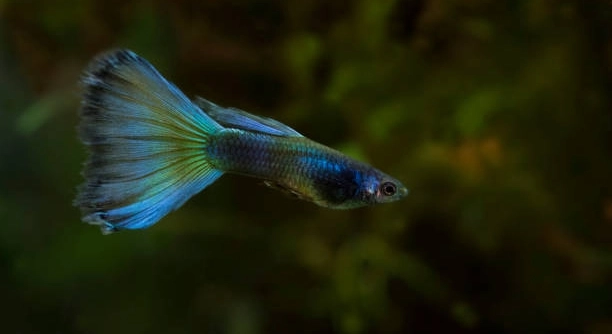
Guppy tanks are a wonderful way to bring beauty and life to your home. However, maintaining a healthy environment for your fish can be challenging. Early detection of problems in your guppy tank is crucial for their well-being.
Recognizing tank issues early involves monitoring water quality, guppy behavior, and tank equipment. Regular checks for signs of illness or stress, such as changes in swimming patterns, unusual spots, or reduced activity, can help prevent severe problems.
Learning to spot potential issues early will not only keep your guppies healthy but also help maintain a balanced tank. Identifying the signs early can make a big difference.
Recognizing Changes in Water Quality
Water quality is one of the most crucial factors in keeping your guppy tank healthy. Fish are sensitive to even small changes in the water, so it’s important to regularly test the water for ammonia, nitrites, and nitrates. A sudden increase in these levels can stress your guppies and lead to illnesses. Additionally, poor water quality can cause the development of algae and bacteria, which can make the tank environment dangerous for your fish.
Testing the water weekly is a simple but effective way to ensure your guppies are living in a safe environment. Make sure to use a reliable water testing kit, checking for the basic water parameters and adjusting them as needed. Keeping the water temperature stable also helps maintain the overall health of the tank.
Pay attention to any signs of cloudy water or an unpleasant smell, as these can indicate a problem. Regular water changes, along with filtering, will help maintain a cleaner environment. Maintaining high water quality is a key factor in preventing health problems in your guppy tank.
Observing Guppy Behavior
Guppies are lively fish, and their behavior is often a good indicator of tank health. When stressed or unwell, they might show signs of lethargy, swimming erratically, or staying near the surface. These changes could be due to poor water quality, inadequate feeding, or an illness.
Behavioral changes can be a red flag for hidden problems. For instance, if guppies are swimming in circles or scratching themselves on objects, this may signal parasites or skin infections. Early detection can help treat these issues before they become serious.
By keeping an eye on how your guppies interact with one another and their environment, you can spot problems early. A healthy guppy should be active, social, and move around the tank freely.
Checking Tank Equipment Regularly
The equipment in your guppy tank plays a vital role in maintaining a healthy environment. Filtration systems, heaters, and lighting need to be in good working order to support your guppies. A malfunctioning filter can lead to poor water quality, and inconsistent water temperature can cause stress or disease.
Regularly check the performance of your tank’s filter, making sure it is running efficiently. Clean the filter as needed to avoid debris buildup, which can harm the water quality. Additionally, verify the heater is maintaining a stable temperature within the recommended range for guppies (around 72-82°F).
Lighting should also be monitored for proper timing, as inconsistent lighting can disrupt your guppies’ natural cycle. Ensure the light is on for around 10 to 12 hours a day. Consistent and functional equipment ensures the tank remains a safe and comfortable space for your guppies.
Spotting Physical Changes in Guppies
Physical changes in your guppies are one of the most obvious indicators that something is wrong. Any unusual spots, swelling, or changes in color can be signs of illness. Pay attention to their fins, as damaged or ragged fins could point to an injury or infection.
It’s important to observe your guppies closely for any shifts in appearance. White spots, a common symptom of parasites, often appear on their bodies or fins. Swollen bellies may indicate bloating or internal issues, such as constipation or dropsy. Loss of color or a dull appearance could signify stress or poor water conditions. Early detection of these changes can prevent the problem from worsening.
If you notice any of these physical signs, act quickly by adjusting water conditions, treating with the appropriate medications, or separating affected guppies to prevent the spread of illness. Keeping the tank clean and making sure the fish are not overcrowded will help minimize the risks of physical issues.
Maintaining a Balanced Diet for Guppies
A balanced diet plays a significant role in the health of your guppies. Overfeeding or underfeeding can lead to issues like bloating or malnutrition. It’s important to feed your guppies small portions 2 to 3 times a day to prevent uneaten food from polluting the water.
Make sure to provide a variety of foods, including high-quality flakes, pellets, and occasional live or frozen foods such as brine shrimp or daphnia. This helps ensure they get the necessary nutrients for growth and energy. You can also supplement their diet with plant-based foods, like algae wafers, to mimic their natural feeding habits.
Watch your guppies closely while they eat to ensure all of them get enough food. Any leftover food should be removed to maintain water quality. An appropriate diet is essential for keeping your guppies active and healthy, preventing future health problems.
Checking for Tank Overcrowding
Overcrowding can lead to stress, poor water quality, and increased spread of diseases. If there are too many guppies in the tank, their environment becomes less stable, leading to health problems. It’s crucial to follow the recommended stocking guidelines.
Guppies are small, but they need space to swim and thrive. A general rule is to provide at least one gallon of water per guppy. Overcrowding can cause them to fight, leading to injuries and increased stress. Make sure your tank has enough room for your guppies to swim freely and avoid competition for resources.
Ensuring Proper Filtration
A well-functioning filtration system is vital for maintaining a clean and healthy tank. Filtration removes excess waste, uneaten food, and harmful chemicals, ensuring a stable environment for your guppies. Without proper filtration, your tank water can become toxic, leading to illness.
The filter should be checked regularly to ensure it is working efficiently. Clean or replace the filter media as needed to maintain optimal filtration. Over time, the filter can become clogged, reducing its effectiveness. A clean filter helps reduce the chances of harmful bacteria and waste buildup in the tank.
Managing Tank Temperature
Keeping the water temperature consistent is important for your guppies’ health. Temperature fluctuations can cause stress, which may lead to illness or even death. Ideally, your guppies should be kept in a tank with water between 72-82°F. A heater helps regulate the temperature.
Check the water temperature regularly with a thermometer to ensure it stays within the safe range. Sudden temperature drops or increases can weaken the fish’s immune system, making them more vulnerable to diseases. If the heater malfunctions, it’s important to replace it as soon as possible to prevent temperature extremes.
FAQ
What are the signs of a stressed guppy?
Stressed guppies may display a variety of behaviors. You might notice them swimming erratically, rubbing their bodies against tank surfaces, or hanging near the surface of the water. They may also become more lethargic or hide in corners. Changes in their color, such as dullness or darkening, are common signs of stress. Stress is usually caused by poor water conditions, overcrowding, or tank mates that are too aggressive. If these behaviors persist, it’s important to address the cause quickly to prevent health issues from developing.
How do I know if my guppy has a disease?
Diseases in guppies often show up as visible changes in behavior or physical appearance. Common signs include faded colors, white spots on their skin or fins (often indicating parasites), swollen bellies, and abnormal swimming patterns. If your guppy is scratching its body against objects or has frayed fins, these may be signs of a bacterial or fungal infection. Look for any visible lesions or sores, which can point to skin infections. If you notice these symptoms, it’s important to separate the affected fish and treat the tank with the appropriate medication.
How often should I change the water in my guppy tank?
It’s recommended to change 25-30% of the water in your guppy tank every week. This helps maintain good water quality by removing waste, uneaten food, and excess nutrients that could lead to harmful algae growth. If your tank is heavily stocked or if you’re seeing a rise in waste levels, you may need to increase the frequency or amount of water you change. Always make sure the replacement water is conditioned and at the right temperature before adding it to the tank.
Can I keep guppies with other types of fish?
Yes, guppies can live with many other types of fish, but you should be cautious about the size and temperament of the other species. Guppies are peaceful fish and can thrive in a community tank with non-aggressive species. Avoid keeping them with large, predatory fish that may view guppies as food. Good tank mates include tetras, mollies, and corydoras catfish. Always monitor their interactions to ensure no fish is overly aggressive or causing stress to the guppies.
Why is my guppy swimming near the surface?
If your guppy is frequently swimming near the surface, it could be a sign of a few things. One common cause is low oxygen levels in the water, which can occur if the water is not being properly aerated or filtered. It could also indicate that the water temperature is too high or low for your guppies, as they tend to swim near the surface to regulate their body temperature. Lastly, some guppies will swim near the surface when they are stressed, so check for other stress indicators, such as changes in behavior or appearance.
How can I prevent overfeeding my guppies?
Overfeeding is one of the most common mistakes in guppy care. To prevent this, feed them small portions two to three times a day, only giving them what they can consume within a few minutes. Avoid leaving excess food in the tank, as it can lead to poor water quality and affect the health of your guppies. You can also use a feeding ring to prevent the food from floating around the tank and make sure all fish have a chance to eat. Overfeeding can cause bloating and lead to more serious health issues over time.
What should I do if my guppy has a swollen belly?
A swollen belly in a guppy could be a sign of overfeeding, constipation, or a more serious issue like dropsy or internal parasites. If you notice a swollen belly, try fasting your guppy for 1-2 days to see if the bloating resolves. Offer them foods that promote digestion, such as blanched peas, to help clear up constipation. If the swelling persists or worsens, it may be necessary to quarantine the guppy and treat it with the appropriate medication for internal parasites or dropsy. Always keep an eye on their overall behavior, as this can help identify the cause.
How do I maintain proper water temperature for my guppies?
Guppies require a stable water temperature between 72-82°F. A reliable aquarium heater can help maintain this temperature, especially in colder environments. Make sure the heater is rated for the size of your tank, and check the temperature regularly with a thermometer. Sudden temperature changes, whether from a heater malfunction or fluctuations in the room temperature, can stress your guppies and compromise their immune system. Adjusting the heater settings slowly is crucial to avoid shocking your fish.
How many guppies can I keep in my tank?
The general rule of thumb is to allow one gallon of water per guppy, so for a 10-gallon tank, you should have no more than 10 guppies. However, the more plants, rocks, and decorations you have in your tank, the fewer fish you should keep to maintain water quality and reduce stress. Overstocking can lead to increased waste, poor water quality, and more competition for resources. Always monitor your tank’s water parameters and the behavior of your fish to ensure the environment is not overcrowded.
What causes guppies to lose their color?
Guppies losing their color is often a sign of stress, poor water quality, or illness. If your guppies appear pale or have faded colors, first check the water conditions, including pH, ammonia, and nitrate levels. Stressful environments, like aggressive tank mates or overcrowding, can also contribute to color loss. Illnesses, such as parasites or bacterial infections, can cause color fading as well. If the issue persists, consider quarantining affected fish and treating the tank with appropriate medications.
Final Thoughts
Caring for guppies involves regular maintenance and attention to their environment. Monitoring water quality, temperature, and tank conditions is essential for their well-being. Small adjustments can make a big difference in preventing problems and keeping your guppies healthy. Regular water changes, proper filtration, and avoiding overcrowding are some of the key practices that ensure your tank remains a safe space for your fish. Keeping an eye on their behavior and appearance helps in spotting potential issues early, allowing for quick action and treatment.
It’s also important to remember that guppies, like all fish, can be sensitive to changes in their environment. Sudden shifts in water temperature, poor water quality, or incompatible tank mates can cause them unnecessary stress. This stress, if not addressed, can lead to health issues or even death. A well-maintained tank not only provides a better quality of life for your guppies but also reduces the likelihood of common problems. Regular checks on filtration systems, water parameters, and tank setup will go a long way in ensuring a thriving aquatic environment.
By staying consistent with care, you can enjoy watching your guppies grow and thrive. Keeping a few simple guidelines in mind will make your experience as a guppy owner rewarding. Ensuring that they have a healthy, stress-free environment will lead to vibrant, active fish that bring life to your aquarium. In the end, the effort you put into maintaining a clean and safe tank will pay off with happy, healthy guppies.

Hello,
If you enjoy the content that we create, please consider saying a "Thank You!" by leaving a tip.
Every little bit helps us continue crafting quality advice that supports the health, happiness, and well-being of pets around the world, for pets of all shapes, sizes, and species.
We really appreciate the kindness and support that you show us!