
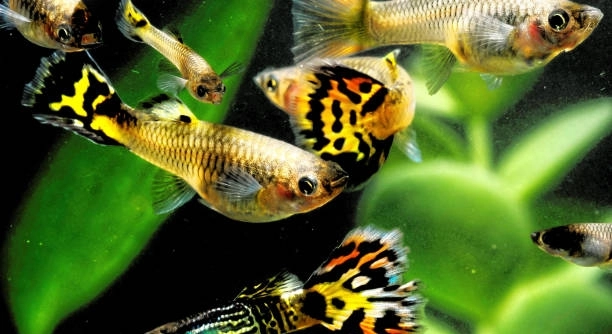
Are your guppy tank conditions feeling off? It’s important to keep track of your aquarium’s health, as imbalances can affect the well-being of your fish. Regular checks and understanding what to look for can help you avoid issues.
To spot guppy tank imbalances, monitor key factors like water quality, temperature, and tank mates. Keep an eye on guppy behavior, water chemistry, and feeding patterns, as these can all reveal hidden issues that need addressing.
Keeping an eye on your guppy tank’s health ensures that your fish thrive and are free from stress. By understanding these imbalances, you can prevent bigger problems down the road.
Water Quality and pH Levels
Water quality is one of the most important factors in keeping your guppies healthy. Poor water conditions can lead to stress, disease, and even death. The pH level of the water plays a significant role in how well guppies can thrive. If the water is too acidic or too alkaline, it can cause imbalances in their bodily functions, affecting their behavior and overall health. A neutral pH level between 6.8 and 7.8 is generally ideal for guppies.
Keeping the water clean is essential to maintaining a healthy tank. Regular water changes help remove harmful chemicals like ammonia, nitrites, and nitrates. Using a reliable water filter also assists in keeping these levels in check. It’s also important to test your water regularly using test kits to ensure that the levels stay within the recommended range.
If you notice changes in your guppy’s behavior, like them swimming erratically or staying near the water’s surface, it’s worth checking the water parameters. Small fluctuations in water quality can quickly turn into big problems for your fish.
Temperature Fluctuations
Guppies prefer stable water temperatures between 72°F and 82°F. Rapid temperature changes can stress your fish, making them more vulnerable to illness. If your tank’s temperature constantly shifts, it can lead to weakened immune systems in guppies.
Maintaining a consistent temperature is crucial for the well-being of your guppies. A reliable aquarium heater can help keep the water within the desired range, and using a thermometer to monitor the temperature will ensure that it remains steady. When the temperature is right, guppies will swim freely, eat well, and show their best colors.
If the temperature gets too high or low, guppies may start to behave strangely. For example, they might hide, stop eating, or become lethargic. If the temperature continues to fluctuate, their health will quickly decline, and it could lead to serious issues in the tank.
Overcrowding in the Tank
Overcrowding can cause major stress in a guppy tank. If too many guppies are sharing a small space, they won’t have enough room to swim freely, which affects their overall health. This stress can lead to aggression and competition for resources like food and oxygen.
A good rule of thumb is to have one inch of fish per gallon of water. This ensures that each guppy has space to move and thrive. Overcrowding can also cause a spike in waste production, making it harder to maintain water quality. In a crowded tank, guppies may begin to exhibit signs of stress, such as hiding, loss of color, or decreased activity.
To prevent overcrowding, always plan for future growth and ensure your tank is large enough to accommodate additional guppies. If necessary, consider transferring some guppies to another tank to help reduce stress and maintain a healthy environment.
Feeding Issues
Feeding your guppies too much or too little can cause problems in the tank. Overfeeding can lead to excess food settling at the bottom, which can rot and negatively impact water quality. It can also lead to obesity and swim bladder issues in your guppies.
On the other hand, underfeeding can leave your guppies malnourished, affecting their growth and immune system. Guppies should be fed small amounts two to three times a day. Only provide enough food that they can consume in a few minutes to prevent overfeeding and keep the water clean.
Be mindful of what type of food you are offering as well. Guppies require a balanced diet of flakes, pellets, and occasional live foods to maintain their health. The wrong diet can also lead to issues, such as poor coloration or a weakened immune system.
Unstable Tank Mates
Guppies are peaceful fish, but certain tank mates can cause stress or harm. Aggressive species can attack your guppies, leading to injury or even death. It’s important to choose tank mates that are compatible with guppies’ calm nature to maintain harmony in the tank.
When selecting tank mates for your guppies, avoid aggressive fish like large cichlids or fin-nipping species. Small, peaceful fish, such as tetras or mollies, are ideal companions. Always monitor the behavior between your guppies and other species, as some might not get along despite appearing to be peaceful.
If any tension arises, be ready to separate the fish or adjust the tank setup to create more space.
Dirty or Faulty Filtration
A poor filtration system can quickly lead to tank imbalances. Without proper filtration, toxins build up, and the water becomes dirty, making it harder for your guppies to stay healthy. Regular maintenance of the filter is essential.
Check the filter regularly to make sure it’s running efficiently. A clogged filter can lead to poor water circulation, which means the waste and toxins won’t be removed effectively. Cleaning or replacing the filter media will help ensure proper filtration, keeping your guppies safe and the water clear.
Sudden Environmental Changes
Guppies are sensitive to rapid changes in their environment. Sudden shifts in water temperature, pH, or lighting can stress them out, leading to unhealthy behavior or illness. It’s crucial to make any changes slowly and monitor how your guppies respond.
Before making any changes to the tank, such as adjusting the water parameters or adding new equipment, consider the impact on your fish. Gradual adjustments give your guppies time to acclimate, reducing the risk of stress.
FAQ
How often should I change the water in my guppy tank?
Water changes are crucial for maintaining good water quality. It’s recommended to change about 25% of the water every week. This helps remove excess waste and toxins that accumulate over time. However, if your tank is heavily stocked or the water quality drops quickly, you might need to change the water more frequently.
Be sure to use a water conditioner when changing the water to remove chlorine and chloramine, which can harm your guppies. It’s also a good idea to check the water’s pH, temperature, and ammonia levels after every change to ensure everything is in balance.
Can guppies live with other fish?
Yes, guppies can live with other fish, but you should choose their tank mates carefully. Guppies are peaceful and thrive in a calm environment. It’s best to keep them with small, non-aggressive fish that won’t bully them. Some good companions for guppies include mollies, platies, and neon tetras.
Avoid keeping guppies with large or aggressive fish, such as cichlids or bettas, as they may hurt the guppies or compete for food. Always observe the interactions between different species to ensure that no one is stressed or harmed.
What temperature is best for guppies?
Guppies prefer a water temperature between 72°F and 82°F (22°C – 28°C). Keeping the temperature stable within this range is important for their health. Fluctuations in temperature can cause stress, making your guppies more susceptible to diseases.
You can use an aquarium heater to maintain the temperature, especially during cooler months. A thermometer will help you keep track of the water’s temperature and prevent sudden changes.
How can I tell if my guppies are sick?
Sick guppies may exhibit various symptoms depending on the illness. Common signs of illness include lethargy, loss of appetite, discoloration, swollen or bloated bodies, and unusual swimming behavior like swimming upside down or near the surface.
If you notice any of these symptoms, it’s important to isolate the sick guppy in a quarantine tank to prevent the spread of illness. You should also check water parameters, as poor water quality can contribute to health issues. Consulting a vet or aquarium expert can help identify and treat the illness.
How many guppies can I keep in my tank?
The number of guppies you can keep depends on the size of your tank. A general rule is to have one inch of fish per gallon of water. Since guppies are small fish, this rule works well for most tanks.
For example, if you have a 10-gallon tank, you can keep around 10 guppies. However, it’s important to consider other factors, such as filtration and tank mates, which may affect the stocking density. Overcrowding can lead to poor water quality and stress, so make sure to provide enough space for all your fish.
Why is my guppy losing color?
Guppies are known for their vibrant colors, but several factors can cause them to lose their brightness. Poor water quality, stress, or a poor diet can cause your guppy to fade in color. If your guppy is stressed, it may lose its color as a response to the stressor.
Check the water parameters to ensure they are within the correct range, and make sure you’re feeding your guppies a balanced diet. If the issue persists, check for signs of illness or parasites that may be affecting their appearance.
Can guppies live without a filter?
Guppies can technically live without a filter, but it’s not recommended. A filter helps maintain good water quality by removing waste and toxins, which is essential for your guppies’ health. Without a filter, you’ll need to do more frequent water changes to keep the tank clean.
If you choose not to use a filter, be sure to test the water regularly for ammonia, nitrites, and nitrates, as these can build up quickly without proper filtration. A filter also provides water movement, which guppies prefer for swimming.
Do guppies need a lot of light?
Guppies don’t require intense lighting, but they do benefit from a natural day-night cycle. It’s ideal to have the tank light on for about 8-12 hours a day. This helps regulate their natural behavior and supports their overall well-being.
Too much light can stress guppies, leading to algae growth in the tank. On the other hand, too little light may cause your guppies to become lethargic. Keep the lighting moderate, and make sure there is a period of darkness for your guppies to rest.
How do I breed guppies?
Breeding guppies is relatively easy since they are livebearers, meaning they give birth to live fry instead of laying eggs. To breed guppies, simply ensure that you have both male and female guppies in the same tank. The male will display courtship behavior, and the female will eventually give birth to fry.
It’s important to have plenty of hiding places for the fry, such as plants or decorations, as adult guppies may eat them. Once the fry are born, you can transfer them to a separate tank to protect them until they grow large enough to join the main tank.
Why are my guppies swimming at the surface?
Guppies swimming at the surface may be a sign of poor water quality or low oxygen levels. They may be trying to get more oxygen from the water’s surface. Check the water parameters, especially ammonia and nitrate levels, to ensure they are within safe ranges.
If the water quality is fine, it could be a sign of other issues, such as stress or a problem with the filtration system. If the behavior continues, monitor the guppies closely for other symptoms of illness.
Final Thoughts
Taking care of guppies can be a rewarding experience, but it requires attention to detail. When keeping guppies, it’s important to focus on the basics—water quality, temperature, and food. These factors are the foundation of a healthy tank, and neglecting them can lead to imbalances that affect your fish. Regular water changes, monitoring pH levels, and ensuring proper filtration will help maintain a stable environment for your guppies. You don’t need to be an expert, but consistency in maintaining these conditions is key to avoiding common issues.
Another vital aspect is tank mates. Guppies are peaceful, but they can be vulnerable to more aggressive fish. Choosing the right companions for your guppies will help minimize stress. Keeping the tank overcrowding-free also ensures that your fish have enough space to swim and stay healthy. Proper feeding is another area to focus on. Providing a balanced diet, in appropriate amounts, is important for guppy health. Overfeeding or underfeeding can quickly lead to water quality issues and health problems.
Lastly, if you notice anything unusual with your guppies, whether it’s behavioral changes or visible signs of illness, don’t ignore it. Early detection is crucial for treating any problems before they become severe. By paying attention to your guppies’ behavior, water conditions, and feeding habits, you’ll create a comfortable, thriving environment for them. The effort you put into understanding their needs and keeping the tank balanced will help ensure that your guppies live long, healthy lives.

Hello,
If you enjoy the content that we create, please consider saying a "Thank You!" by leaving a tip.
Every little bit helps us continue crafting quality advice that supports the health, happiness, and well-being of pets around the world, for pets of all shapes, sizes, and species.
We really appreciate the kindness and support that you show us!