
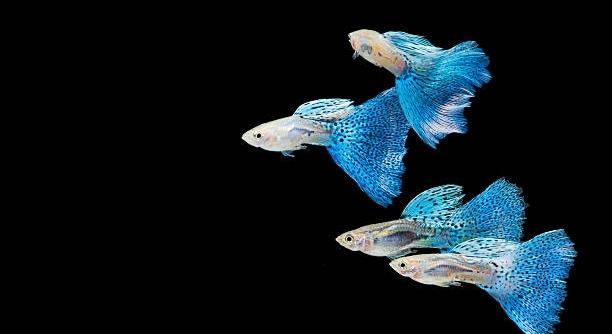
Guppies are popular for their vibrant colors and playful nature. However, like any pet, they can experience stress that affects their well-being. Recognizing the signs early on can make a big difference in their care.
Guppy stress can manifest in several ways, including loss of appetite, faded colors, and erratic swimming behavior. Environmental factors like water quality, temperature, and tank mates play a significant role in causing stress, which can impact their health if not addressed.
By learning to spot the signs, you can improve your guppy’s living conditions and ensure their overall health and happiness.
Common Stress Indicators in Guppies
When guppies are stressed, their physical appearance can change noticeably. One of the most obvious signs is the fading of their vibrant colors. Healthy guppies display bright, shimmering hues, but stress can dull these colors, making them appear pale or washed out. Another common symptom is a decrease in activity. If your guppy is swimming lethargically or staying at the bottom of the tank more than usual, it may be a sign of stress. A sudden or prolonged change in behavior, such as hiding or erratic swimming patterns, is also a clear indication that something isn’t right in their environment.
While stress itself isn’t always harmful, prolonged stress can lead to serious health issues, including a weakened immune system. Stress can also make guppies more vulnerable to diseases, which can worsen if not addressed. Keeping a close eye on their behavior and appearance can help identify problems early, allowing for better care.
Adjusting your guppy’s environment can greatly reduce stress. Ensuring the water temperature and quality are appropriate and providing plenty of hiding spaces will allow your guppy to feel safer and more comfortable.
Water Quality and Stress
Poor water quality is a leading factor in guppy stress. When water conditions deteriorate, it can cause irritation to their skin and gills, making them feel uncomfortable. Over time, this can affect their overall health.
Regular water changes and the use of a good filtration system are essential for keeping the water clean. It’s also important to monitor pH levels, ammonia, and nitrate levels in the tank, as these can fluctuate and impact your guppy’s well-being. When these parameters are unstable, your guppy can quickly become stressed.
Providing the right water conditions is crucial in preventing unnecessary stress. Keeping the water clean and properly balanced can help maintain your guppy’s health and ensure they remain active and colorful. Regularly testing the water will give you the peace of mind that your guppy is in the best possible environment.
Overcrowding in the Tank
Overcrowding is a common cause of stress in guppies. When there are too many fish in a tank, they don’t have enough space to swim and may become more aggressive. This can lead to constant stress.
In addition to space issues, overcrowding can affect water quality as more fish produce more waste. The increased waste can lead to higher levels of toxins, further stressing the guppies. Overcrowding also encourages competition for food, which can cause some guppies to go hungry or develop aggressive behaviors.
To prevent overcrowding, ensure that your tank has enough space for each fish to swim freely. A good rule of thumb is one inch of fish per gallon of water. By keeping the tank population at a manageable level, your guppies will have the space they need to thrive.
Temperature Fluctuations
Temperature fluctuations can be a significant stressor for guppies. They thrive in stable conditions, with an ideal temperature range of 72 to 82°F. Sudden drops or spikes in temperature can affect their immune system and overall health.
A tank heater can help maintain a consistent temperature. Make sure to monitor the temperature regularly with an accurate thermometer. If the temperature is too low, guppies may become sluggish, and if it’s too high, they may become stressed and start to gasp for air at the surface. Fluctuations can also weaken their immune system, making them more susceptible to disease.
Maintaining a stable temperature in your tank will ensure your guppies feel comfortable and safe. Use a reliable heater to keep the water in the optimal range and check the temperature daily to avoid surprises. Consistency is key for healthy, happy guppies.
Aggressive Tank Mates
Aggressive tank mates can stress guppies, as they may become territorial or bully your fish. This behavior can lead to injuries or constant anxiety for your guppies, affecting their overall health.
It’s important to choose peaceful tank mates that won’t pose a threat to guppies. Avoid aggressive species like bettas or large carnivorous fish. When selecting tank mates, make sure they have similar temperaments and care requirements. Having multiple hiding spots in the tank also gives your guppies a place to retreat if needed.
A peaceful environment reduces stress and helps guppies feel safe. By carefully considering tank mates, you promote harmony and healthier fish.
Feeding Stress
Improper feeding can cause stress in guppies. Overfeeding leads to uneaten food, which can pollute the water. Underfeeding leaves guppies hungry and stressed.
Feeding your guppies the right amount of food is key. Offer small portions they can eat in a few minutes to avoid waste. Feed them 2-3 times a day, depending on their activity level. It’s important to remove any uneaten food after 5 minutes to keep the tank clean.
By providing consistent, balanced meals, your guppies will feel satisfied and less stressed. This can also prevent water quality issues, ensuring a healthier environment.
Water Changes and Stress
Failing to perform regular water changes can result in poor water quality and increased stress. Guppies need clean, fresh water to stay healthy and active.
Aim to change 20-25% of the water every 1-2 weeks to maintain the proper water conditions. If your tank is heavily stocked or the fish are particularly active, more frequent changes may be necessary. Always use a water conditioner to remove chlorine and other harmful chemicals before adding fresh water.
Regular water changes help to reduce toxins and provide a more stable environment for your guppies. This simple task can go a long way in keeping your fish stress-free.
FAQ
How do I know if my guppy is stressed?
Stress in guppies can show through changes in behavior and appearance. They may lose their bright colors, become lethargic, or swim erratically. Guppies that are stressed may hide more often or stay at the bottom of the tank. If they are no longer swimming freely or are constantly rubbing against tank decorations, this can also indicate stress.
Can stress kill my guppy?
Yes, if stress is prolonged, it can weaken a guppy’s immune system, making them more susceptible to diseases. Chronic stress can shorten their lifespan, as their bodies become more vulnerable to infections. It’s essential to identify and address the source of stress early to ensure your guppy stays healthy.
What should I do if my guppy is stressed?
First, check the water conditions. Ensure the temperature, pH, and nitrate levels are within the proper range. Next, assess the tank for overcrowding or aggressive tank mates. If the guppy is stressed due to illness, quarantine it and adjust its environment for recovery. Keep an eye on the guppy for any changes.
How often should I change my guppy’s water?
Water changes should be done every 1-2 weeks, replacing 20-25% of the water. If you have more fish or a smaller tank, you may need to change the water more frequently to maintain a clean environment. Regular water changes help to keep harmful toxins in check and reduce stress.
Can guppies get stressed from having too many tank mates?
Yes, overcrowding can stress guppies by limiting their swimming space and causing them to compete for food. Additionally, too many fish can lead to poor water quality. It’s crucial to maintain the right tank size for the number of guppies you have to keep them comfortable and stress-free.
Is it normal for guppies to hide?
Guppies may hide if they are stressed, sick, or feel threatened by other tank mates. While occasional hiding is normal, frequent hiding can be a sign of stress. Make sure there are plenty of hiding spots, but also check for other signs of stress or illness that may require attention.
What are common causes of guppy stress?
Common causes of stress in guppies include poor water quality, fluctuating water temperatures, aggressive tank mates, overcrowding, and improper feeding. Stress can also arise from sudden changes in their environment, such as moving them to a new tank or introducing new fish.
Can a heater cause stress for my guppy?
Yes, if the heater is malfunctioning or set to an inappropriate temperature, it can cause stress. Guppies are sensitive to temperature changes, and sudden spikes or drops can lead to shock. Make sure to use a reliable heater and check the water temperature regularly to maintain a consistent, optimal range for your guppy.
How do I prevent guppy stress?
To prevent stress, maintain a stable and clean tank environment. Ensure the water quality is optimal by testing it regularly. Avoid overcrowding and provide plenty of hiding spots. Be mindful of tank mates, choosing peaceful species that won’t harm your guppies. Lastly, feed them the right amount of food at regular intervals to avoid overfeeding.
Can stress affect my guppy’s health long-term?
Yes, chronic stress can lead to long-term health problems for guppies, such as weakened immune systems, a higher risk of disease, and even premature death. Stress should be addressed as soon as possible to ensure the overall health and well-being of your guppy.
Final Thoughts
Keeping your guppies healthy and stress-free is essential for their well-being. Stress can lead to a variety of issues, from poor health to premature death. By being aware of the common stress factors, you can make simple changes that will improve your guppies’ quality of life. Start by ensuring that your tank has enough space, proper water quality, and suitable temperature levels. These basic elements create a stable environment where your guppies can thrive.
It’s also important to consider the other creatures in your tank. Guppies are peaceful fish that do best in a calm, non-threatening environment. Aggressive tank mates can cause stress, so choosing compatible species is key. You should also avoid overcrowding, as this limits their ability to swim and can lead to competition for food. Always monitor their behavior and check the tank conditions regularly to spot any signs of stress early. This way, you can address issues before they become bigger problems.
Taking these steps may require some effort and time, but the benefits are worth it. A healthy and stress-free environment leads to happier, more active guppies. With consistent care and attention to their needs, you’ll be able to prevent many common stress-related issues. By making small adjustments in their care routine, you can ensure that your guppies live a long, healthy, and stress-free life in their tank.

Hello,
If you enjoy the content that we create, please consider saying a "Thank You!" by leaving a tip.
Every little bit helps us continue crafting quality advice that supports the health, happiness, and well-being of pets around the world, for pets of all shapes, sizes, and species.
We really appreciate the kindness and support that you show us!