
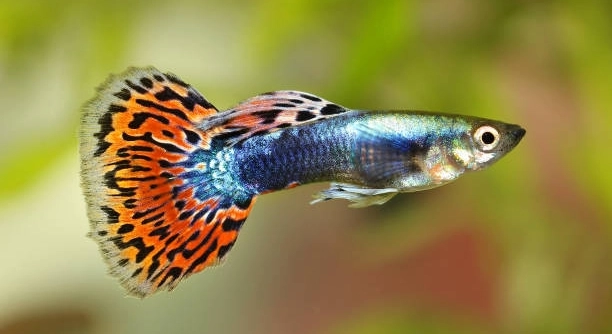
Guppy fish are a popular choice for aquarium lovers, and noticing signs of pregnancy early can be exciting. Understanding when your guppy is expecting helps ensure a smooth process for both the fish and their owner.
Guppy pregnancy can often be detected early through several physical and behavioral signs. Look for changes such as a growing abdomen, darker gravid spot, and more active behavior. These signs indicate that your guppy may be pregnant.
By recognizing these early signs, you can better prepare for the birth and care of baby guppies. Knowing when to expect them will help you ensure their survival and comfort.
Spotting the Gravid Spot
One of the first signs of guppy pregnancy is the gravid spot, a dark spot located near the fish’s abdomen. It becomes darker and larger as the pregnancy progresses, indicating that your guppy is carrying eggs. Early on, this spot might be faint, but it will gradually become more visible as the weeks pass.
A noticeable gravid spot is one of the clearest indicators that your guppy is expecting. It’s often located right behind the fish’s belly, near the anal fin. The size and darkness of the spot can vary, but it generally becomes darker as the pregnancy nears its end.
As the pregnancy advances, the gravid spot will grow even darker and more defined. This change happens due to the developing embryos inside your guppy. The spot can also appear slightly swollen, indicating that the fry are close to being born. If you notice these changes, it’s time to prepare for the upcoming birth.
Changes in Behavior
Pregnant guppies often show behavioral changes as they get closer to giving birth. They may become more reclusive and avoid the other fish in the tank.
You might notice that your guppy swims less actively, choosing to hide or stay near the bottom of the aquarium. This behavior is linked to the physical strain of pregnancy. The guppy is preparing to give birth and may need extra rest during this time.
Additionally, a pregnant guppy may start swimming in a more erratic way, especially as the fry start to develop inside her. She might appear more nervous or jumpy, likely due to the increased discomfort she feels. Providing a quiet and secure environment can help reduce stress, making the pregnancy process smoother for her.
Swollen Belly
As the pregnancy progresses, your guppy’s belly will gradually swell. This is a clear sign that she is carrying more eggs. The swelling may become more pronounced in the later stages of pregnancy. While early signs are subtle, the bulge will be noticeable as she nears the end of her term.
A swollen belly is often one of the easiest ways to tell that your guppy is pregnant. As her belly grows, it will also become more rounded, giving her a fuller appearance. This change is due to the developing fry inside her. As she gets closer to labor, you’ll notice the swelling becoming even more significant.
It’s important to note that the swelling should be uniform and not lopsided. If the belly seems irregular or excessively swollen on one side, it could indicate complications. In that case, seeking advice from an expert or a vet would be advisable to ensure her well-being during pregnancy.
Increased Appetite
Pregnant guppies tend to eat more as they prepare for birth. They require extra nutrients to support the developing fry. You may notice that your guppy is more active during feeding times, eagerly eating whatever food is offered.
Her increased appetite is a natural response to the extra energy needed to sustain the growing fry. Guppies are generally healthy eaters, but during pregnancy, they need more nutrition to keep both themselves and their babies healthy. It’s essential to provide high-quality food and ensure that your guppy has access to the proper nutrients.
While it’s common for pregnant guppies to eat more, don’t overfeed her. Excessive food can lead to poor water quality, which could stress your guppy or even harm the developing fry. Pay attention to how much food is being consumed and adjust accordingly to maintain a healthy environment for both the mother and her babies.
Visible Fry
As your guppy’s pregnancy advances, you may start to see the developing fry inside her. These tiny fish will be visible through her transparent belly, especially as she nears her due date. They will appear as dark shapes moving around inside.
The fry become more noticeable as the guppy gets closer to giving birth. You’ll see small, wriggling fish inside her abdomen, particularly if you look closely. These tiny fish are the future guppies, and their presence is a strong indicator that the birth is near.
Once you spot the fry clearly visible, it’s important to prepare the tank for the birth. Make sure you have a separate birthing space, like a breeding box, to keep the fry safe from the mother and other tank mates.
Restlessness
Pregnant guppies tend to become more restless as their due date approaches. You’ll notice more movement, as she may be looking for a place to give birth. Her activity levels may increase in the hours leading up to delivery.
Restlessness is a sign that the guppy is getting ready to give birth. The increased movement can include darting around the tank or staying near the surface. It’s essential to monitor her closely, as she might need extra space or a more secure environment to feel comfortable.
During this time, try not to stress the guppy by overcrowding the tank. Keep the environment calm, and ensure there are places for her to hide and rest if needed.
Preparing the Tank
Make sure the tank is ready before your guppy gives birth. Remove any aggressive fish and set up a breeding box to keep the fry safe. A quiet, clean space helps reduce stress.
A breeding box or a separate section of the tank is ideal for protecting the fry from larger fish. It’s crucial that the mother feels safe in her environment as she prepares to give birth. Set up the box with enough space for the guppy to move comfortably, and provide hiding places for the newborns once they arrive. Keeping the water clean and stable will also help her remain healthy during this time.
FAQ
How long is a guppy’s pregnancy?
Guppy pregnancies typically last between 21 and 30 days. The length can vary depending on factors such as water temperature, the guppy’s health, and the number of fry. Warmer water generally speeds up the pregnancy process. If your guppy is nearing 30 days and you don’t see signs of birth, it could be an indication that she is carrying a large batch of fry.
What should I do if my guppy is not showing signs of pregnancy?
If your guppy is not showing any visible signs of pregnancy, she might not be pregnant. Some female guppies may also have small, subtle changes that are hard to notice. Ensure your tank has proper conditions, including temperature and water quality, as stress can impact pregnancy. If in doubt, consult a professional for confirmation.
Can guppies have babies without mating?
No, female guppies cannot have babies without mating. However, once a female has mated, she can store sperm for several months and give birth multiple times without needing to mate again. This means she might continue to produce fry even if no male is present in the tank.
How can I tell if my guppy is ready to give birth?
You’ll notice several signs when your guppy is ready to give birth. The gravid spot will become dark and large, her belly will swell, and the fry may become visible. The guppy may also become more restless, swimming more actively and seeking out hiding spots. When you see these signs, prepare for the birth soon.
Do I need to separate the guppy before she gives birth?
It’s a good idea to separate the pregnant guppy into a breeding box or a separate tank when she’s about to give birth. This reduces stress and protects the fry from being eaten by other fish. Ensure that the space is large enough for her to move comfortably.
What should I feed my pregnant guppy?
Pregnant guppies need a balanced, nutritious diet to support the development of their fry. Offer a mix of high-quality fish flakes, freeze-dried or live foods like brine shrimp, and vegetable-based foods. This helps provide the necessary nutrients and keeps the mother healthy during her pregnancy.
How many fry can a guppy have?
A guppy can have anywhere from 20 to 50 fry in one batch, though some may have fewer, and others may have more. The number often depends on the size and age of the guppy, as well as environmental factors. A well-nourished and healthy guppy can have a larger number of fry.
What should I do after the guppy gives birth?
After birth, remove the mother from the breeding box or tank, especially if you’ve placed her there to protect the fry. Ensure that the fry have access to food, such as baby fish food or finely crushed flakes. Keep the water quality high to help the fry grow. You can also place hiding spots in the tank to protect them from adult fish.
Can guppies eat their babies?
Yes, guppies, especially the mother, may eat their fry if they feel threatened or stressed. Other adult fish in the tank can also pose a risk to the fry. This is why it’s important to either separate the mother during the birth or provide a safe environment for the newborns.
How can I prevent my male guppies from mating with the pregnant female?
If you want to prevent males from mating with a pregnant female, you can separate the males and females or place the female in a breeding box. This will ensure that the male cannot reach her. You can also remove the males from the tank temporarily if you don’t want further pregnancies.
Should I keep the fry in the same tank as the adults?
It’s best to separate the fry from the adult fish, especially if there are other fish that might view them as food. Keeping them in a separate breeding box or a different tank will help protect them. Once the fry grow bigger and are capable of surviving with adult fish, they can be introduced into the main tank.
How do I care for the fry after birth?
Caring for fry involves maintaining high water quality, offering appropriate food, and ensuring they have a safe place to grow. Provide small, fine foods like powdered fish flakes or baby brine shrimp. You can also introduce hiding spots for the fry, like plants or small decorations.
How can I tell the sex of my guppy fry?
It can be difficult to tell the sex of guppy fry right after birth. However, as they grow, males will develop more colorful patterns, while females will remain more muted. Male guppies will also develop a gonopodium, a specialized fin used for mating, which becomes visible as they mature.
Why are my guppy fry not growing?
If your guppy fry are not growing, it could be due to poor water quality, lack of proper food, or overcrowding. Ensure the tank is clean and provide nutritious food designed for baby fish. If the tank is too crowded, move some of the fry to a larger space to reduce stress.
Final Thoughts
Guppy pregnancies are an exciting part of owning these small and colorful fish. Recognizing the early signs of pregnancy can help you prepare for the birth and care of the fry. From observing changes in their behavior to noting physical signs like a swollen belly or dark gravid spot, there are several ways to tell if your guppy is expecting. Keeping an eye on these indicators can make a big difference in ensuring a healthy environment for both the mother and the newborns.
It’s important to provide a calm, secure environment for your pregnant guppy. Stress can interfere with the pregnancy and even cause complications. A clean tank, proper water conditions, and a stress-free environment can help her feel comfortable and support the development of the fry. Additionally, preparing a breeding box or separate space for the birth is essential to protect the fry from being eaten by other fish in the tank. By providing the right care, you can ensure a smooth process for both the guppy and her babies.
Finally, while caring for pregnant guppies can be a rewarding experience, it’s important to keep in mind that the process requires attention and preparation. Ensuring that you have the right setup, food, and space for the fry will help them thrive. Once the fry are born, they will need special care to grow into healthy fish. By following these steps and recognizing the early signs of pregnancy, you’ll be better equipped to support your guppy and enjoy the experience of raising a new generation of fish.

Hello,
If you enjoy the content that we create, please consider saying a "Thank You!" by leaving a tip.
Every little bit helps us continue crafting quality advice that supports the health, happiness, and well-being of pets around the world, for pets of all shapes, sizes, and species.
We really appreciate the kindness and support that you show us!