
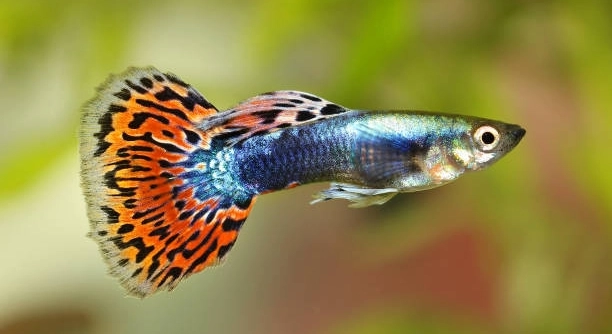
Is your guppy acting a little off or spending more time near the surface than usual? Early signs of illness can be subtle.
Spotting guppy illness early involves observing changes in behavior, appearance, and appetite. Symptoms like clamped fins, discoloration, or erratic swimming often indicate underlying health problems. Identifying these signs promptly can prevent complications and support faster recovery.
Noticing these signs early makes it easier to treat your guppy and maintain a healthy tank environment for all your fish.
Watch for Clamped Fins and Lethargy
One of the first signs that something might be wrong with your guppy is clamped fins. Healthy guppies hold their fins wide and active, but sick ones often keep them tightly pressed to their bodies. This change can show up early and is easy to miss if you’re not looking for it. You may also see them spending more time resting, hiding, or hovering near the bottom or surface without much movement. These signs typically mean your guppy isn’t feeling well. It could be due to stress, poor water conditions, or infection. It’s important to check water parameters immediately and keep the tank clean. Adding aquarium salt or isolating the guppy in a hospital tank may help in some cases. Acting fast can make a big difference in recovery. The longer you wait, the harder it becomes to treat the problem effectively and support their return to normal behavior.
Lethargy usually shows up along with clamped fins. This combination often means the guppy is uncomfortable or getting sick.
When you notice these symptoms, take time to test the water for ammonia, nitrite, and pH issues. Use a reliable test kit and perform partial water changes as needed. Check the filter and reduce stress by limiting bright light or sudden movement around the tank. Avoid adding any new fish until things stabilize. It’s helpful to monitor the sick guppy separately if possible. Use clean, warm water with consistent parameters to give them the best chance to bounce back. Feeding high-quality food in small amounts also supports recovery. Avoid overfeeding, as that can worsen water quality. Sometimes, clamped fins and lethargy resolve quickly with proper care, but if signs persist, you may need to explore mild treatments or consult an aquarium expert. Staying consistent with tank maintenance will make it easier to spot and fix problems before they affect your whole aquarium.
Look for Changes in Color
Color changes can be one of the most visible signs that a guppy is unwell. A healthy guppy usually has a vibrant, even color.
Fading color, dark patches, or pale spots can appear quickly when a guppy is stressed or getting sick. Stress might come from sudden water changes, overcrowding, or bullying from other tank mates. Pale coloration can also show up with internal infections or parasitic conditions. In some cases, males may lose their bright tones if they aren’t receiving proper nutrition. Feeding high-quality foods rich in vitamins can help restore color and improve health. Dark or patchy areas might indicate skin damage, parasites, or poor water quality. If color changes appear with other symptoms like rapid breathing, bloating, or floating near the top, you should take immediate action. Perform a water test, clean the tank, and consider isolating the affected guppy. Observing how and when the color change occurs gives helpful clues about what’s going wrong. Color changes should not be ignored.
Monitor Eating Habits Closely
A sudden change in appetite is often an early sign of illness in guppies. If they stop coming up for food or spit it out, something may be wrong.
Loss of appetite may be caused by poor water conditions, internal parasites, or bacterial infections. Check your ammonia, nitrite, and nitrate levels first. If the water is fine, observe your guppy’s belly—bloating or a sunken appearance may point to digestive issues or internal parasites. Isolate the guppy if possible and feed them high-quality food in smaller portions. Avoid overfeeding or using old or expired food, which can cause or worsen health problems. Garlic-based food or medicated flakes can be helpful in some cases, especially when paired with clean, stable water. Watch for other symptoms like swimming difficulty or white stringy poop, which may help identify the issue more clearly and guide you to a specific solution.
If your guppy eats less or ignores food completely for more than a day or two, you’ll want to take action. Sick guppies often start by skipping a meal here and there before refusing entirely. Feeding smaller amounts can help you track their habits and reduce waste buildup in the tank. Try offering different food types—like daphnia, bloodworms, or spirulina flakes—to encourage interest. Sometimes, illness dulls their sense of smell or taste, and switching foods can stimulate a response. If refusal continues despite clear water and variety in diet, more advanced treatment might be needed. Keeping a feeding log makes it easier to catch changes quickly and avoid guessing. Eating patterns often reveal more than just a hunger issue—they reflect the guppy’s overall well-being.
Check for Erratic Swimming
Unusual swimming patterns can be one of the clearest signs your guppy isn’t feeling well. Look out for twitching, spinning, floating sideways, or having trouble staying upright or balanced in the water.
These odd behaviors can point to swim bladder disorders, neurological issues, or severe stress. Swim bladder problems are common and may be triggered by constipation, injury, or infections. Feeding thawed, peeled peas once or twice can help relieve constipation naturally. Avoid feeding dry flakes only, as they can cause bloating when guppies gulp air while eating. If your guppy shows signs of imbalance or gets stuck near the surface or bottom, reduce water flow in the tank to make it easier for them to move. In some cases, swim bladder disorders will resolve on their own with diet changes and rest, but if symptoms continue, a deeper issue may be present. Look for signs of injury, water contamination, or parasites that could be affecting their movement. Keeping the tank calm and consistent is key.
Notice Gasping at the Surface
Gasping at the surface can mean your guppy is not getting enough oxygen. This often happens in tanks with poor water flow or high ammonia levels that reduce available oxygen.
Check the filter, clean debris, and add an air stone if needed. Increasing surface agitation improves oxygen exchange, especially during warm weather.
Examine for White Spots or Fuzzy Growths
White spots usually indicate ich, a common parasite that spreads quickly in community tanks. Fuzzy patches or cotton-like growths can signal fungal infections, often caused by stress or injury. Both conditions need quick attention to avoid spreading. Raising the water temperature gradually and using aquarium salt can help slow ich. For fungus, isolate the guppy and treat with antifungal medication. Always keep the tank clean and avoid sudden changes in water temperature. Regularly observe all fish, especially new ones, before adding them to the main tank. Early treatment usually works well when paired with stable water quality and reduced stress levels.
Watch for Rapid Gill Movement
Rapid gill movement or heavy breathing may signal stress, poor water quality, or internal parasites. It usually means your guppy is working too hard to breathe.
FAQ
What should I do if my guppy is constantly swimming near the surface?
When a guppy swims near the surface for extended periods, it can be a sign of poor water quality or low oxygen levels. The first thing to do is test the water for ammonia, nitrites, and nitrates. If the levels are high, perform a partial water change. Ensure the filter is working properly and not clogged. Adding an air stone or increasing the water flow can help oxygenate the tank. If the water quality is fine, the guppy may be stressed or sick, so consider isolating it in a hospital tank to reduce stress and monitor its condition more closely.
Why is my guppy’s color fading?
Fading color is a common sign of illness, stress, or poor water conditions. If the water quality is not optimal, ammonia or nitrite spikes can stress fish and lead to color loss. Test the water to ensure it’s within acceptable levels. If the water is fine, fading can indicate internal infections or parasites, which may require medicated food or treatment. Malnutrition can also cause dull colors, so try feeding high-quality food rich in vitamins. Sometimes, males will lose their vibrancy if they are not getting enough nutrition or if they are stressed.
How can I treat my guppy for parasites?
Parasites are common in aquarium fish, and symptoms like white spots, unusual swimming patterns, or rubbing against objects are key indicators. If you suspect a parasitic infection, it’s best to quarantine the affected guppy to prevent it from spreading to others. Treating with a parasite-specific medication or increasing the tank’s temperature can help speed up the life cycle of certain parasites, making them more vulnerable to treatment. Regular water changes and proper filtration will help maintain a healthy environment and prevent future infestations. Always follow medication instructions carefully to avoid harming your fish or disrupting the tank’s ecosystem.
What is swim bladder disorder, and how can I treat it?
Swim bladder disorder causes your guppy to have difficulty staying upright or swimming properly. The swim bladder is an organ that helps control buoyancy, and when it’s affected, the fish may float sideways, upside down, or struggle to stay at one level in the tank. This can be caused by constipation, overfeeding, or injury. Try feeding your guppy thawed peas, which can help with constipation. If the problem persists, you might need to isolate the guppy in a separate tank with clean water to reduce stress. Overfeeding or feeding dry food only can also contribute, so adjust the diet accordingly.
Why is my guppy not eating?
A guppy that suddenly refuses to eat is a common sign of stress, poor water conditions, or illness. First, check the water quality and make sure the tank isn’t overcrowded. Stress can cause a loss of appetite, so it’s important to keep the environment calm. Sometimes, the guppy may be suffering from internal parasites or a bacterial infection, which could be affecting its appetite. If the water and environment are stable and the guppy still won’t eat, you may need to treat for possible illness with medicated food or isolate the fish in a hospital tank to further monitor it.
Can I treat guppy illness without isolating them?
While isolating sick guppies can help prevent the spread of illness and reduce stress, it’s not always necessary if the problem is mild or isolated. If you suspect something minor, such as stress or a minor case of fin rot, treating the whole tank with a medication suited for the condition may be effective. However, when in doubt, quarantine the affected fish. This allows you to focus treatment on the sick guppy without disturbing the rest of the tank. It also provides a chance to monitor the fish closely and give it a quieter, less stressful environment to recover.
How often should I check my guppy’s water?
Water quality is one of the most important factors in maintaining the health of your guppies. It’s essential to check the water at least once a week to ensure it remains within the proper parameters. Test for ammonia, nitrites, nitrates, and pH levels regularly. If you notice any spikes, perform a partial water change and check the filter to make sure it’s functioning properly. You should also check the temperature, as guppies prefer stable water conditions between 72°F and 82°F. More frequent checks are necessary if you have new fish, if you’re treating for illness, or if you’re noticing signs of poor water quality.
Is it normal for guppies to be territorial?
Yes, guppies can sometimes be territorial, especially males. They may become aggressive toward each other, especially if there aren’t enough females in the tank to spread out their attention. If you notice fighting or fin nipping, you may need to adjust the tank environment. Adding more hiding spots or plants can help reduce aggression. Providing plenty of space and making sure there are a balance of males and females in the tank can also help keep territorial behavior to a minimum.
How can I tell if my guppy is pregnant?
Pregnant female guppies usually have a rounded belly, which becomes more noticeable as they near the end of their pregnancy. You may also see a dark spot near the back of the belly, known as a gravid spot, which indicates that the fry (baby fish) are developing inside. Pregnancy typically lasts around 4-6 weeks, and it’s important to separate the pregnant guppy from the males to prevent additional mating. Provide the mother with extra food and a calm environment. After she gives birth, it’s essential to remove the babies to avoid them being eaten by other tankmates.
What should I do if my guppy has fin rot?
Fin rot is usually caused by bacterial infections that develop when the guppy’s fins are damaged or if water quality is poor. If you notice ragged, discolored, or torn fins, act quickly. Test and improve the water quality to prevent further infection. Isolate the affected fish and treat with an antibacterial medication or aquarium salt. Make sure to adjust the diet, adding high-quality foods to boost the guppy’s immune system. If left untreated, fin rot can spread and eventually lead to more serious health issues, so timely treatment is essential.
Final Thoughts
Maintaining the health of your guppies requires attention to detail and consistency. Regularly monitoring water quality, watching for signs of illness, and providing proper nutrition are essential steps in ensuring their well-being. Guppies are generally hardy, but they are still susceptible to diseases and stress if their environment is not properly managed. Keeping their tank clean and ensuring a balanced diet will help prevent many common issues.
It is important to address problems early. When you notice symptoms like fading color, unusual swimming patterns, or abnormal behavior, it’s vital to take action right away. These early signs often point to underlying issues that can be treated effectively if caught in time. Regular observation and immediate intervention can prevent minor problems from escalating into serious health concerns.
Finally, understanding the needs of your guppies will help create a stable, healthy environment for them to thrive in. Guppies, like all fish, require proper care and attention, and by following the guidelines for tank maintenance, water quality, and disease management, you can enjoy a vibrant, healthy aquarium. Regularly cleaning the tank, monitoring their behavior, and providing a stress-free environment are the best ways to ensure their long-term health and happiness.

Hello,
If you enjoy the content that we create, please consider saying a "Thank You!" by leaving a tip.
Every little bit helps us continue crafting quality advice that supports the health, happiness, and well-being of pets around the world, for pets of all shapes, sizes, and species.
We really appreciate the kindness and support that you show us!