
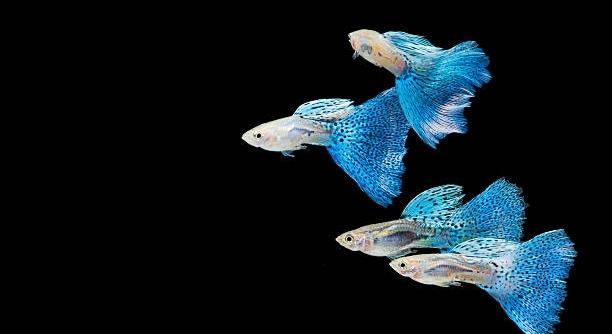
Noticing early signs of guppy pregnancy can be exciting and important for proper care. Being able to identify these signs early on will help you prepare for the arrival of baby guppies.
The key indicators of guppy pregnancy include a swollen belly, a dark gravid spot near the tail, and behavior changes such as increased hiding. Additionally, the female may become more active as she nears the time to give birth.
Understanding these signs will help ensure proper care for both the expectant mother and her fry.
Swollen Belly: The First Sign of Guppy Pregnancy
A swollen belly is one of the most obvious signs that your guppy might be pregnant. As the pregnancy progresses, the female’s abdomen will gradually expand, becoming more pronounced. It may appear rounded or somewhat bloated. This swelling is due to the growing fry developing inside her. A healthy guppy typically gains weight and size over the course of the pregnancy, though it can be subtle early on.
Once you notice the belly swelling, it’s a clear indicator that she is carrying fry. Depending on her size and how far along she is, the change might be noticeable within a few weeks. As the pregnancy continues, the belly will become even more enlarged. This can sometimes affect her swimming behavior, as she may become slower or less active.
To ensure the best conditions for the expectant guppy, provide a stress-free environment with clean water and proper filtration. Keep an eye on her as she nears the final stages of pregnancy.
Dark Gravid Spot: A Clear Indicator
The gravid spot, located near the tail, will darken as the pregnancy progresses. This spot contains the developing fry and becomes more visible.
As the pregnancy advances, this spot may appear darker or even black. If you observe the spot closely, you may notice the outlines of the fry developing inside her. It’s a visual confirmation that the guppy is carrying babies. The color change happens due to the growing embryos inside her, signaling that the pregnancy is moving forward.
Increased Hiding Behavior
Pregnant guppies often seek out places to hide more than usual. As their pregnancy advances, they may feel more vulnerable and stressed. The need to find safe spaces is instinctual, as they prepare for the arrival of fry.
Providing hiding spots in your aquarium can reduce their stress. Use plants, decorations, or breeding boxes to create secluded areas where they can retreat. A guppy feeling safe is crucial for a smooth pregnancy. Without such spaces, the female might become anxious, which can impact her health. Watch for changes in her hiding habits to confirm pregnancy.
Guppies that hide more frequently tend to be more cautious and protective of their developing fry. At times, she may even avoid the most active areas of the tank, seeking quieter, darker corners. This behavior is entirely natural, and the more secluded you can make the space, the better her overall well-being will be during this delicate period. Keeping the environment calm and stable is key to managing the pregnancy successfully.
Reduced Activity Levels
As pregnancy progresses, guppies may become less active, swimming slower and spending more time near the bottom of the tank. This drop in energy is typical as the female becomes more focused on carrying her fry.
Guppies are naturally active fish, but pregnancy changes their routine. Reduced swimming doesn’t necessarily mean anything is wrong, but it’s a sign to adjust care. Avoid overfeeding or stressing her with excessive movement around the tank. Keep the water clean and temperature stable to help her stay comfortable.
While a decrease in activity is normal, monitor her behavior carefully. If she shows signs of distress, such as gasping at the surface or showing no interest in food, it might indicate something else. It’s essential to maintain a balance and ensure she feels secure.
Changes in Eating Habits
Pregnant guppies often experience changes in their eating habits. They may eat more or less than usual, depending on the stage of pregnancy. This change is due to the energy required for growing fry.
Watch for any noticeable increase or decrease in food consumption. If she seems uninterested in food, it could indicate stress or discomfort. On the other hand, eating more is completely normal and may help her maintain energy levels. Provide high-quality food and avoid overfeeding, as excess food can lead to water quality issues.
More Aggressive Behavior
Increased aggression can be a sign of pregnancy. Some pregnant guppies may become more territorial, especially when they feel crowded or stressed. Their protective instincts can cause them to act out.
The female may display signs of aggression towards other tank mates, particularly males. This behavior can be due to her desire to protect her developing fry or simply from the discomfort of pregnancy. If this occurs, consider separating her or reducing the number of fish in the tank. Providing a peaceful environment is essential for her well-being.
Changes in Swimming Patterns
Pregnant guppies may also change their swimming patterns. Instead of their usual fast and active swimming, they might swim slower or spend more time near the tank bottom. This shift in behavior is related to the physical changes in her body.
As the pregnancy advances, the added weight and discomfort can make swimming more challenging. This behavior is completely natural, and no immediate action is needed. However, it is crucial to monitor her condition and make sure the tank environment remains calm and suitable.
FAQ
What is the best temperature for a pregnant guppy?
The ideal temperature for a pregnant guppy is between 72°F and 78°F (22°C to 26°C). Maintaining a stable temperature helps reduce stress and ensures that the female remains healthy throughout her pregnancy. Sudden temperature fluctuations can harm both the guppy and her developing fry, leading to complications. A reliable aquarium heater will help keep the tank at a consistent, comfortable temperature.
How long does a guppy pregnancy last?
Guppy pregnancy typically lasts between 21 and 30 days, with the average being around 24 to 26 days. The duration can vary depending on factors such as the guppy’s age, health, and water conditions. As the time approaches, you may notice more obvious signs, such as a larger belly and darker gravid spot. Some guppies give birth earlier, while others may take a bit longer.
How can I tell if my guppy is about to give birth?
As your guppy nears the end of her pregnancy, her belly will become more swollen, and the gravid spot will darken significantly. She may also display restlessness, swim less, or seek out hiding spots. You may even notice that her belly appears to have a boxy shape, indicating that the fry are ready to be born. Pay attention to her behavior, and be ready to provide a safe space for the fry.
Should I separate the pregnant guppy from other fish?
It’s a good idea to separate the pregnant guppy, especially as she nears the end of her pregnancy. This can reduce stress and prevent other fish from harassing her. Consider using a breeding box or a separate tank with plenty of hiding spots to give her a safe and peaceful environment. Keeping her separate from the males will also prevent further pregnancies.
Can pregnant guppies eat as usual?
Yes, pregnant guppies can eat as usual, but it’s important to monitor their food intake. They may eat more than usual due to the increased energy required for carrying the fry. Provide them with a balanced diet, including high-quality flakes, pellets, and live or frozen food like brine shrimp or daphnia. Be mindful not to overfeed, as excess food can degrade water quality, which can negatively affect both the guppy and her fry.
What should I feed a pregnant guppy?
A pregnant guppy requires a nutritious and varied diet to maintain her health. Offer a mix of high-quality flake food, pellets, and live or frozen foods such as brine shrimp, bloodworms, and daphnia. These foods provide the necessary nutrients for her to stay strong and support her developing fry. Avoid overfeeding, as it can lead to poor water quality, which can cause health issues.
Can a guppy die during pregnancy?
While it is uncommon, a guppy can experience complications during pregnancy, especially if there are underlying health problems or poor water conditions. Issues such as infections, stress, or low oxygen levels can pose a risk. Keep an eye on your guppy’s behavior, and make sure the water is well-maintained. If you notice signs of distress, such as difficulty swimming or a lack of appetite, consult an aquarium expert.
What do I do after my guppy gives birth?
Once your guppy has given birth, it’s essential to remove her from the breeding box or separate tank if she was isolated. Leave the fry in the tank but ensure there are plenty of hiding spots, such as plants or decorations, to protect them from being eaten by other fish. Ensure the water conditions remain stable, and feed the fry with finely crushed flakes or specialized fry food. Keep a watchful eye on both the mother and the fry to ensure they are healthy.
How can I tell if my guppy is carrying fry?
To determine if your guppy is carrying fry, look for the following signs: a swollen belly, a darkened gravid spot near the tail, and behavioral changes such as increased hiding or reduced activity. The gravid spot will appear as a dark, almost black area as the fry develop inside her. As her pregnancy progresses, the belly will grow larger and rounder.
Can I use a breeding box for a pregnant guppy?
Yes, a breeding box is an excellent option for isolating a pregnant guppy and preventing her from being harassed by other fish. A breeding box allows her to give birth in peace, and the fry can remain safe after birth. It’s important to ensure the box is large enough for her to move around comfortably and that water circulation is adequate.
How many fry will a guppy have?
A guppy’s litter size can vary, but most guppies give birth to between 20 and 60 fry. However, larger guppies may have more fry, while smaller ones may have fewer. The number of fry also depends on factors such as the guppy’s health, age, and water conditions. After giving birth, the mother can become pregnant again quite quickly, so keep an eye on her health and well-being.
What should I do with the guppy fry?
Once the guppy fry are born, it’s essential to provide them with a suitable environment. Keep them in a separate tank or breeding box to prevent them from being eaten by the adult fish. Provide plenty of hiding spots and feed them small, nutritious foods like powdered flakes or brine shrimp. Monitor their growth and gradually introduce them to the main tank as they get older and stronger.
Final Thoughts
Guppy pregnancies can be fascinating and rewarding to observe. By understanding the signs of pregnancy, such as changes in behavior and physical appearance, you can provide the proper care and ensure a smoother experience for both the mother and her fry. Knowing what to expect during each stage of pregnancy, including the increase in size, darker gravid spot, and changes in activity levels, helps you to better manage your aquarium and create a supportive environment. Ensuring the water temperature, food quality, and overall tank conditions are optimal is key to a healthy pregnancy.
Preparing for guppy birth is another crucial step. When the time comes, ensuring the female has a safe, quiet space can reduce her stress and promote a healthier delivery. Keeping the fry protected in a safe space will help them grow without the risk of being eaten by other fish. The mother’s well-being should be prioritized even after the birth. You can separate her from the fry to give her some time to recover. Providing nutritious food and keeping the tank conditions stable ensures that both the mother and her young thrive.
Guppy pregnancies offer an opportunity to learn more about fish breeding and the responsibility of caring for the fish from start to finish. With proper observation and adjustments, such as offering appropriate food and creating safe spaces for both the mother and fry, you can successfully manage a guppy pregnancy. Patience is essential, as it may take time to see noticeable changes in the mother’s condition, but with the right care, both the mother and her new fry will grow healthy and strong.

Hello,
If you enjoy the content that we create, please consider saying a "Thank You!" by leaving a tip.
Every little bit helps us continue crafting quality advice that supports the health, happiness, and well-being of pets around the world, for pets of all shapes, sizes, and species.
We really appreciate the kindness and support that you show us!