
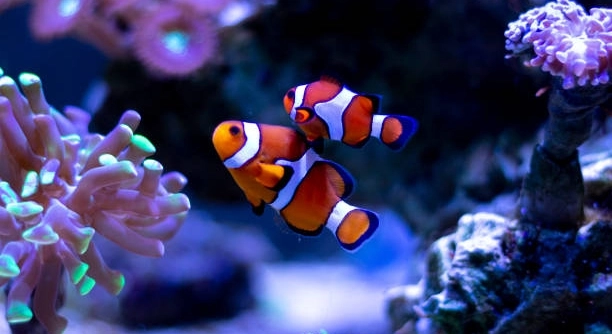
Are your clownfish chasing tank mates or hovering near a single spot in your aquarium for hours at a time? These behaviors may point to something more than just routine swimming—territorial boundaries are at play.
Clownfish define their territorial boundaries through patterns of movement, aggressive displays, and site fidelity. These areas are typically centered around an anemone or shelter, and their behavior becomes especially noticeable when tank mates invade or disturb these spaces.
Learning how to recognize these signs can help prevent conflict and keep your aquarium balanced and stress-free for all your marine creatures.
Watch for Repetitive Swimming Patterns
Clownfish often swim in repeated paths when marking their territory. You may notice them circling a specific rock, coral, or their host anemone. This behavior is how they maintain control over a space they consider theirs. It becomes more pronounced when another fish enters that area. Clownfish will then attempt to push the intruder away, using quick dashes or light nips. These repetitive movements are not random; they are a form of defense. In a tank, the confined space makes territorial signs easier to spot. If your clownfish constantly swims around a certain zone, especially with intensity, that area has likely been claimed.
This behavior is one of the most visible signs of boundary-setting. It helps you understand how space is being used in your tank.
Keep an eye on whether your clownfish’s paths stay consistent. If they do, it’s a strong sign that they’ve chosen a specific spot to defend.
Look for Aggressive Interactions
Clownfish use minor acts of aggression to guard their territory. They may chase or nip at fish that wander too close. These actions aren’t usually harmful, but they serve as clear warnings to keep away.
In small tanks, clownfish aggression becomes more noticeable because there’s limited room to escape. When a clownfish lashes out, it’s often because another fish has come too close to a guarded spot. This aggression isn’t random—it’s a communication tool. Instead of vocal warnings, clownfish use physical action. Watching closely will help you tell the difference between playful chasing and actual defensive behavior. Repeated, targeted aggression often means the clownfish is protecting an area they’ve claimed. Sometimes, they even puff themselves up or shake their bodies to appear more threatening. If you notice one clownfish showing this behavior regularly, you can be sure it’s guarding a zone. Separating aggressive fish or rearranging the tank layout can help ease tension and reduce stress for all tank mates.
Observe Hosting Behavior in Anemones
Clownfish often form a strong bond with one specific anemone and rarely stray far from it. This relationship becomes the center of their territory, and they defend it with persistent effort.
If your clownfish is hosting an anemone, watch how it reacts to nearby movement. It may rush out to confront other fish, only to return quickly. This pattern helps define the edges of its claimed space. Clownfish may also rub against the anemone repeatedly or hover over it for long periods. These behaviors are a way of reinforcing their connection to the area. Hosting makes the clownfish feel secure, and anything that threatens that bond—even if unintentional—may trigger defensive behavior. Knowing this helps in setting up a peaceful tank, especially when introducing new fish. Positioning other elements like rocks or plants at a distance can create natural buffers and ease tension around the hosted site.
Their focus on the anemone makes it easier to identify where their boundaries lie. You’ll notice that they don’t wander too far. If something unfamiliar enters this area, the clownfish often becomes more alert, aggressive, or restless. This shift in energy can be subtle but consistent. Over time, you’ll be able to read these cues before conflict begins. It also gives you the chance to make small changes—adjusting layout or light exposure—to reduce stress. Providing enough space between tank mates goes a long way. Watching this behavior over several days will reveal a pattern, helping you better support your clownfish’s natural habits without disrupting the balance of your aquarium.
Notice Sudden Color Changes
Clownfish may darken slightly when they feel threatened or need to defend their space. This shift is temporary but noticeable, especially during confrontations. It’s a physical response tied to stress and heightened territorial awareness.
You might also see brighter or more vivid markings in aggressive moments. These changes often accompany chasing or guarding behavior. Observing this helps you spot tension early.
Track Feeding Zone Behavior
Feeding time can reveal clear territorial lines. Some clownfish will chase others away from specific areas where they expect food to drop. They may hover, snap, or dart at any fish entering that zone. This doesn’t always mean they’re hungry—it’s more about defending a familiar routine or preferred space. In a community tank, you’ll notice certain spots repeatedly guarded during feeding. If this becomes a daily pattern, it confirms the clownfish is trying to control access. Using separate feeding zones or adding food at multiple points in the tank can lower this tension and give all fish a chance to eat without conflict.
Watch Their Position in the Tank
Clownfish that guard a territory usually stay close to one side or corner of the tank. They avoid open swimming unless they feel safe.
FAQ
How big is a clownfish’s territory in a home aquarium?
A clownfish’s territory can be surprisingly small in a home tank—usually about 6 to 12 inches around its host anemone or favorite structure. They prefer staying close to one safe spot, especially if they’ve bonded with an anemone or a particular coral. The area includes the immediate surroundings where they eat, sleep, and defend. In smaller aquariums, this behavior becomes more noticeable because space is limited. A clownfish doesn’t need the entire tank to feel secure—it just needs a single, consistent zone it can protect and return to. The boundaries may expand during feeding or if threatened.
Do clownfish always need an anemone to form a territory?
No, clownfish don’t need an anemone to claim territory. While anemones are a natural part of their wild habitat, clownfish in tanks will adapt and form bonds with other objects. This might be a rock, soft coral, or even part of the tank structure. Once they choose a spot, they stick with it and defend it just like they would in the wild. Some even develop these attachments without ever being introduced to an anemone. Their instinct to protect a home base is strong, and they’ll find something suitable based on what’s available in their environment.
Can multiple clownfish share the same territory?
Yes, but only under specific conditions. A bonded pair of clownfish—usually a dominant female and a smaller male—can share one territory. They often defend it together and stay close. However, introducing new clownfish into the same tank can lead to conflict, especially if there’s not enough space or shelter. Unpaired clownfish may see each other as threats and behave aggressively to protect their area. It’s important to monitor how they interact. If one fish is consistently pushed away or chased, it’s best to separate them or adjust the tank layout to provide additional hiding spots and space.
What triggers clownfish to become territorial?
Territorial behavior often increases when space is limited, when a new fish is introduced, or when breeding is about to occur. Clownfish naturally become more protective if they sense a change in their environment. Even a shift in water flow or lighting can cause them to reinforce their boundaries. Food competition is another common trigger—if they feel their feeding area is being invaded, they might chase others away. These responses are tied to their instinct to guard what’s familiar and safe. Understanding these triggers helps you plan better tank conditions and keep aggression from escalating unnecessarily.
Is clownfish aggression harmful to other fish in the tank?
It depends on the severity and frequency of the aggression. Light chasing or occasional nipping is normal and not usually harmful. But if the aggression is constant, it can stress other fish, cause injury, or limit their ability to eat and rest. This is especially true in smaller tanks where escape routes are limited. You’ll want to watch for torn fins or signs of hiding and stress in the other fish. If problems persist, separating the aggressive clownfish, rearranging tank decor, or upgrading to a larger tank can help reduce tension and protect all tank mates.
What are the signs that a clownfish is too stressed from defending its territory?
Clownfish under stress may eat less, breathe rapidly, or lose color. They might also become more aggressive or, in contrast, start hiding constantly. Constant defense can wear them down, especially if the tank is overcrowded or lacks hiding spots. If you see these changes and they last more than a day or two, it’s time to look at the tank setup. Adding space, breaking lines of sight with decor, and giving them more calm zones can make a big difference. Healthy territorial behavior should feel balanced—not exhausting or overwhelming for the fish.
Final Thoughts
Clownfish are known for their bold personality and strong connection to a chosen space in the tank. Their territorial behavior isn’t random—it’s a natural part of how they stay safe, especially when space is limited. Recognizing the signs of territory can help you understand your clownfish better and make your aquarium more peaceful. From repeated swimming patterns to guarding a host anemone or shelter, these habits are important signals. Once you learn what to look for, it becomes easier to manage tank dynamics and avoid stress between tank mates. Even small changes in how they behave can tell you a lot about their comfort level.
In a home aquarium, it’s important to give clownfish enough room to form and keep their territory. If space is too tight or the layout feels too exposed, your clownfish may become aggressive or anxious. Paying attention to how they use their surroundings allows you to make helpful adjustments. Sometimes that means adding a few plants, moving decorations, or setting up separate feeding zones. Each clownfish is different, but they all need consistency and some control over their environment. Supporting these natural behaviors keeps them active, calm, and healthy. It also prevents ongoing conflicts with other tank fish.
Understanding clownfish behavior also makes your aquarium more rewarding to watch. Once you know how and why they claim territory, you can spot small changes and respond early. That might mean noticing a shift in color, a burst of chasing, or a new favorite corner in the tank. These are all ways your clownfish are communicating. By giving them a stable home with space and structure, you help them stay balanced. And when they feel safe, they show more natural behavior—something that makes your tank more interesting and enjoyable. Keeping things peaceful is easier when you know what to expect and how to support their needs. With time, your clownfish will settle into their role as confident, active fish who bring steady life to your aquarium.

Hello,
If you enjoy the content that we create, please consider saying a "Thank You!" by leaving a tip.
Every little bit helps us continue crafting quality advice that supports the health, happiness, and well-being of pets around the world, for pets of all shapes, sizes, and species.
We really appreciate the kindness and support that you show us!