
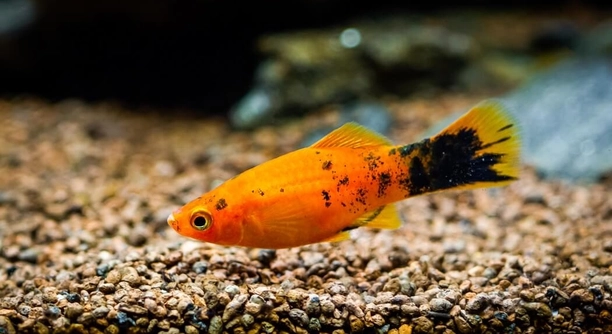
Alpha platies are popular freshwater fish known for their vibrant colors and active behavior. Many aquarium enthusiasts want to identify the alpha fish in their tanks to understand social dynamics better. Recognizing an alpha platy can help maintain a healthy and balanced environment.
An alpha platy is usually the dominant male that shows more vibrant colors, assertive behavior, and often leads other fish. It may display territorial tendencies, swim confidently, and have a larger size compared to others. These traits mark its dominance clearly.
Knowing how to spot an alpha platy will improve your tank’s harmony and help you care for your fish more effectively. The details that follow explain key signs to watch for in your aquarium.
Physical Traits of an Alpha Platy
Alpha platies often stand out due to their physical features. They tend to have brighter and more intense colors than other fish in the tank. Their fins are usually larger and more pronounced, especially the dorsal fin. Size can also be a key indicator, as alpha platies are often slightly bigger. This size difference is not extreme but noticeable when compared side by side. Additionally, the body shape of an alpha may be more robust or muscular. These physical characteristics help the alpha assert its presence and dominance visually. Observing your tank regularly can help you spot these details over time. Paying attention to how colors and sizes vary will guide you in identifying the alpha fish without confusion.
The brighter color and larger size make it easier to identify the alpha platy among its tank mates.
Recognizing physical differences is a useful first step. However, behavior often provides clearer clues. The alpha’s physical traits work alongside confident movements and interactions to establish dominance, which makes spotting them simpler for tank owners. Keep in mind that lighting and tank conditions can affect colors, so consistent observation is key.
Behavioral Signs of Dominance
Behavior helps confirm which platy is the alpha.
Alpha platies usually swim more confidently and take charge of the tank space. They often chase or nudge other fish to maintain control. This assertive behavior is consistent, not just occasional. They may also be the first to explore new areas or investigate changes. Dominant males tend to lead group movements and show less fear compared to others. They often feed first and guard favorite hiding spots. Watching these patterns over time provides clear evidence of dominance. Understanding these behavioral signs helps maintain tank balance and reduces stress for all fish. If a platy displays most of these behaviors, it is likely the alpha of the group.
Territorial Behavior
Alpha platies often show clear territorial behavior. They mark and defend specific areas in the tank from other fish, especially rivals.
Territorial behavior includes chasing away other males and sometimes nudging females. The alpha will guard preferred spots like hiding places, plants, or decorations. This behavior helps maintain their dominance and control within the tank. It also affects how other fish behave, as they tend to avoid the alpha’s claimed territory. Watching how your platies interact around certain areas can reveal which one is the alpha.
This behavior is natural and helps keep the social order stable. Understanding these patterns reduces conflicts and helps you manage tank space better, ensuring a peaceful environment for all fish.
Interaction with Other Fish
Alpha platies generally maintain control through interactions with others. They may act more aggressively toward other males while being less confrontational with females. Their assertiveness usually discourages challenges to their status. The alpha will often lead group movements and be the first to approach food or new objects. These interactions establish a clear social hierarchy within the tank.
The alpha’s behavior influences the whole group, helping reduce unnecessary fights. Recognizing these interaction patterns allows better management of fish dynamics. This knowledge supports healthier relationships among tank mates and helps you maintain a balanced aquarium environment.
Fin Display and Movement
Alpha platies often display their fins more fully and frequently than others. This makes them appear larger and more intimidating. The dorsal and caudal fins are especially noticeable during these displays.
They use these movements to assert dominance, often flaring fins when encountering other males or competing for space. This behavior reinforces their position in the tank hierarchy and helps prevent fights.
Feeding Behavior
Alpha platies usually eat first and more aggressively than other fish. They may chase others away from food or position themselves closest to feeding areas. This priority ensures they get enough nutrients to maintain their dominant status.
Size and Growth Rate
Alpha platies tend to grow slightly larger and faster than their tank mates. This physical advantage supports their leadership role, making it easier to assert dominance and defend territory.
Eye Contact
Alpha platies often engage in direct eye contact during confrontations. This steady gaze serves as a warning and a way to establish control without physical fights.
FAQ
How can I tell if my platy is really the alpha?
The alpha platy shows several key signs like brighter colors, larger size, and confident behavior. It often leads the group, claims territory, and displays fins prominently. Watching how it interacts with other fish, especially if it chases or nudges them, helps confirm its status.
Does the alpha platy bully other fish?
The alpha can be assertive, especially with other males, but this behavior is natural. It maintains order in the tank by establishing dominance. While it may chase or nudge others, it usually does not cause harm if the tank is spacious enough and well-maintained.
Can the alpha platy change over time?
Yes, dominance can shift, especially if the alpha is removed or weakened. Another male may take over by showing stronger physical traits and more assertive behavior. This natural hierarchy keeps the group balanced.
Should I separate the alpha platy from the others?
Generally, no. Keeping the alpha in the tank helps maintain social structure. Removing it may cause stress and fights as other fish compete for dominance. However, if aggressive behavior becomes excessive, increasing tank size or adding hiding spots can reduce tension.
What tank conditions help support a healthy alpha platy?
A well-maintained tank with enough space and hiding places supports natural behavior. Proper water parameters and a balanced diet help all fish stay healthy. This reduces stress and aggression, allowing the alpha to lead without causing problems.
Do female platies show alpha behavior?
Females are usually less aggressive and less dominant than males. While they may show some territorial behavior, the alpha role typically belongs to a dominant male. Observing group dynamics helps identify the true alpha.
Can I have more than one alpha in the tank?
Usually, only one alpha male dominates at a time. Having multiple males may lead to fights and stress. If the tank is large enough, it might support more than one dominant male, but careful monitoring is necessary to prevent problems.
How does the alpha platy affect the behavior of other fish?
The alpha’s dominance shapes the social order. Other fish tend to avoid its territory and follow its lead. This can reduce constant fighting and help maintain peace. Recognizing these roles makes managing your tank easier.
What should I do if my alpha platy becomes too aggressive?
Try increasing tank size or adding plants and decorations for hiding spots. This allows other fish to escape if needed. If aggression continues, separating the alpha temporarily may help. Adjusting feeding routines can also reduce competition.
Can stress affect the alpha platy’s dominance?
Yes, stress from poor water quality, overcrowding, or illness can weaken the alpha. This might cause it to lose its position or behave differently. Keeping the tank clean and stable helps maintain natural behavior and social order.
These answers cover common concerns about identifying and managing alpha platies. Understanding these points helps keep your aquarium healthy and balanced.
Final thoughts on spotting an alpha platy focus on observing both physical and behavioral traits carefully. An alpha platy usually shows brighter colors, a slightly larger size, and more confident movements. These fish often display their fins to appear bigger and use their behavior to assert control in the tank. Paying attention to these signs helps you identify the dominant fish in your aquarium. Over time, regular observation will make it easier to notice subtle differences between the alpha and other platies. This understanding can improve how you manage your tank and care for your fish.
It is important to remember that the alpha’s role is natural in maintaining social order among platies. The dominant fish helps reduce constant fighting by setting clear boundaries and leading the group. However, this does not mean the alpha should cause harm to others. If aggressive behavior becomes too intense, it may indicate that the tank needs changes such as more space or additional hiding places. Good tank management and proper care can keep aggression at healthy levels. This ensures a peaceful environment where all fish can thrive.
Watching your platies closely will help you learn more about their personalities and social structure. Each tank is unique, so the alpha fish’s behavior might vary slightly depending on conditions like tank size, number of fish, and water quality. Supporting a healthy and balanced environment benefits all your fish, including the alpha platy. Understanding these basics will make your aquarium a better place for your fish to live comfortably. With patience and care, you can maintain a harmonious tank where the alpha platy plays its natural role without causing stress.

Hello,
If you enjoy the content that we create, please consider saying a "Thank You!" by leaving a tip.
Every little bit helps us continue crafting quality advice that supports the health, happiness, and well-being of pets around the world, for pets of all shapes, sizes, and species.
We really appreciate the kindness and support that you show us!