
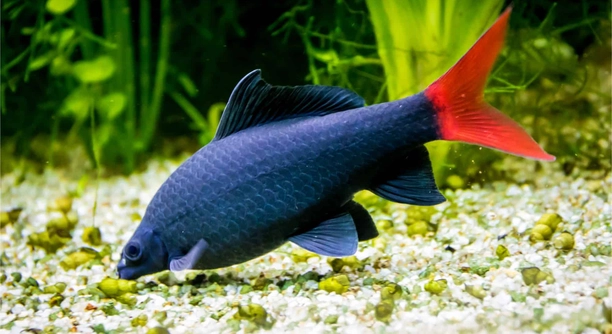
Rainbow sharks are popular freshwater fish known for their striking colors and active nature. They add vibrancy to home aquariums but can sometimes display aggressive behaviors that concern fishkeepers. Recognizing these signs early helps maintain a peaceful tank environment.
Aggressive behavior in rainbow sharks can be identified through specific actions such as chasing other fish, fin nipping, territorial displays, and sudden darting movements. These behaviors often indicate stress or competition within the aquarium setting and require careful observation to manage effectively.
Learning to spot these behaviors ensures a healthier environment for your fish and helps prevent conflicts that could harm them. Understanding these signs will guide you in creating a balanced and calm aquarium.
Recognizing Chasing and Darting Behavior
Chasing is one of the most common signs of aggression in rainbow sharks. When a rainbow shark repeatedly chases other fish around the tank, it is trying to assert dominance. This behavior can stress out the other fish, leading to injuries or health problems. Darting is another aggressive sign, where the rainbow shark suddenly swims quickly across the tank, often toward another fish. These bursts of speed are usually meant to intimidate or claim territory. Both chasing and darting can increase if the tank is too small or overcrowded, limiting space for each fish. Providing enough room and hiding spots can reduce this behavior. Observing how often your rainbow shark chases or darts at others helps you understand the tank’s social dynamics. Managing these behaviors early keeps your aquarium calm and prevents physical harm to your fish.
Chasing and darting often signal that the tank environment needs adjustments, such as more space or decorations to reduce stress.
Aggression due to chasing and darting can escalate if not addressed. Overcrowding forces rainbow sharks to compete for territory, leading to frequent confrontations. Adding plants, rocks, or decorations helps break the line of sight, giving fish places to hide and reducing aggression. Additionally, monitoring the number of fish and species compatibility is important. Some fish are more tolerant of rainbow sharks, while others may provoke aggression. Maintaining proper water quality and a balanced diet also plays a role in calming aggressive tendencies. When aggression is controlled, fish health improves, and the tank environment becomes more stable and enjoyable.
Understanding Fin Nipping and Territorial Displays
Fin nipping involves a rainbow shark biting or damaging the fins of other fish. This behavior is a clear sign of aggression and territorial disputes.
Territorial displays often include flaring fins and posturing to warn other fish to stay away from a chosen area.
Fin nipping can cause physical damage and increase the risk of infections in affected fish. This behavior usually arises from competition over food, space, or breeding areas. Rainbow sharks establish territories and aggressively defend them against intruders. When a fish enters the shark’s claimed area, it may respond with fin nipping or display aggressive body language. Signs include raised dorsal fins, body shaking, and rapid movements near the boundary of their territory. Preventing fin nipping requires managing tank layout and stocking levels. Separate aggressive individuals if needed and offer plenty of hiding places. Consistent feeding routines reduce competition and calm territorial aggression. Watching these behaviors helps maintain peace and fish health in the aquarium.
Excessive Hiding and Withdrawal
Excessive hiding or withdrawal can signal stress caused by aggression. Rainbow sharks may retreat to corners or under decorations more often when feeling threatened.
When a rainbow shark constantly hides, it might be avoiding confrontations with more dominant fish. This behavior often indicates an imbalance in the tank’s social environment. The shark may feel overwhelmed or unsafe, which can impact its health and appetite. Regular hiding can also be a response to poor water conditions or insufficient space. Observing these patterns helps identify the need to improve tank conditions, such as adding more hiding spots or rearranging decorations to reduce visibility between aggressive fish.
Withdrawal from normal activity is a warning sign. A rainbow shark that rarely swims openly or feeds may be stressed or ill. Ensuring peaceful tank mates and adequate space reduces these behaviors. Improving water quality and monitoring diet also support a more confident and active fish.
Changes in Color or Physical Condition
Color fading or changes often result from stress or illness linked to aggressive behavior. A rainbow shark showing dull colors needs attention.
Color changes can be subtle, such as a loss of brightness or patchy spots, signaling health issues from stress or injury. Aggression causes physical damage and weakens the immune system, making fish more vulnerable to disease. Stress from bullying or territorial fights often leads to these visible signs. Monitoring water parameters and tank dynamics helps address causes before conditions worsen. Proper nutrition and less crowded environments aid in color recovery and healing. Acting early ensures your fish remain vibrant and healthy.
Physical damage like torn fins or scratches also points to aggression. Injuries heal better in a calm, clean environment. Keeping the aquarium clean and separating aggressive fish when necessary prevents further harm. Maintaining a stable, comfortable habitat is key to restoring your rainbow shark’s natural appearance and well-being.
Increased Aggression During Feeding
Rainbow sharks often show more aggressive behavior when feeding. They may chase or nip other fish to get more food.
This aggression can cause stress and injury during mealtime. Feeding smaller portions more frequently can help reduce competition and aggression in the tank.
Frequent Tail Beating
Tail beating is a clear sign of agitation in rainbow sharks. When they rapidly beat their tails, it often indicates frustration or an attempt to warn other fish to back off. Recognizing this behavior early helps prevent escalation into more serious aggression. Tail beating usually happens near territorial boundaries or during feeding. If left unchecked, it can stress both the shark and tank mates. Providing enough space and hiding spots minimizes these conflicts. Maintaining a calm environment reduces the need for these warning signals.
Sudden Changes in Behavior
Sudden shifts in activity or temperament often indicate stress or illness linked to aggression. Monitoring these changes is important for fish health.
Signs of Stress in Rainbow Sharks
Stress signs include lethargy, loss of appetite, and erratic swimming. These behaviors may signal aggression or environmental issues.
FAQ
How can I reduce aggressive behavior in my rainbow shark?
Reducing aggression starts with providing enough space. A tank of at least 55 gallons is recommended for rainbow sharks to have their own territory. Adding decorations like rocks and plants creates hiding spots, which help break lines of sight and reduce territorial disputes. Feeding your fish regularly with balanced food also prevents competition. Avoid overcrowding and choose tank mates carefully; some fish tolerate rainbow sharks better than others. Keeping water clean and stable reduces stress, which often triggers aggression.
Why does my rainbow shark chase other fish?
Chasing is a natural territorial behavior. Rainbow sharks claim certain areas in the tank and chase away intruders to protect their space. This behavior increases when the tank is small or overcrowded. It can also be triggered by limited hiding spots or lack of stimulation. Addressing these issues by increasing tank size, adding décor, and ensuring compatible tank mates usually helps reduce chasing.
Is fin nipping normal for rainbow sharks?
Fin nipping can happen, but it’s a sign of aggression or stress. When a rainbow shark bites fins, it’s often defending territory or competing for resources like food. While some fin nipping may occur, excessive damage should be managed by improving the environment, adding hiding places, and separating particularly aggressive fish.
Can rainbow sharks live peacefully with other fish?
Yes, they can coexist with certain species. Ideal tank mates are fast-moving, non-aggressive fish that occupy different tank levels, like danios or barbs. Avoid slow, long-finned, or small fish that may provoke aggression or become targets. Proper tank size and environment greatly influence peaceful interactions.
What causes sudden aggression in rainbow sharks?
Sudden aggression can result from changes in the tank, such as new fish introduction, water quality issues, or rearranging decorations. Stress and illness can also trigger aggression. Monitoring water parameters and maintaining a stable environment helps prevent these outbursts.
How do I know if my rainbow shark is stressed?
Signs of stress include hiding excessively, loss of appetite, color fading, erratic swimming, and increased aggression. These signs usually appear when tank conditions are poor or when fish face constant bullying. Improving water quality, diet, and tank layout can reduce stress.
Should I separate aggressive rainbow sharks?
If aggression leads to injury or severe stress in tank mates, separating aggressive individuals is recommended. Use a divided tank or quarantine tank to isolate the aggressive fish temporarily. This helps protect other fish and allows the aggressive shark to calm down.
How important is tank size for rainbow shark behavior?
Tank size is crucial. Smaller tanks force rainbow sharks into close quarters, increasing territorial disputes and aggression. Larger tanks give them room to establish territories without constant conflict. A minimum of 55 gallons is suggested for one rainbow shark to promote healthy behavior.
Can diet affect aggression in rainbow sharks?
Yes, diet plays a role. Hungry fish become more competitive and aggressive. Feeding balanced meals on a consistent schedule reduces food-related aggression. Including variety and adequate nutrition supports overall health and calmer behavior.
What are the best decorations to reduce aggression?
Rocks, plants, and driftwood are excellent for breaking sight lines and creating hiding spots. These decorations help fish avoid direct confrontations and reduce stress. Avoid open, bare tanks where rainbow sharks have no place to retreat.
How do I handle injuries from aggression?
Treat injuries promptly by improving water quality and isolating injured fish if needed. Use aquarium salt or medications as recommended to prevent infection. Regular observation and environmental improvements help reduce future aggression.
Can aggression be completely eliminated?
Aggression in rainbow sharks can be minimized but not fully eliminated due to their territorial nature. Proper tank management, compatible tank mates, and environment adjustments reduce the frequency and intensity of aggressive behavior, promoting a healthier tank atmosphere.
Final Thoughts
Understanding aggressive behavior in rainbow sharks is important for maintaining a peaceful aquarium. These fish are naturally territorial, which means some level of aggression is normal. However, recognizing the signs early can help prevent serious conflicts and injuries. Paying close attention to behaviors like chasing, fin nipping, or sudden changes in activity allows fishkeepers to take action before problems escalate. Small adjustments to the tank setup or routine can make a big difference in reducing stress for all fish involved.
Providing enough space and hiding places is key to managing aggression. Rainbow sharks need room to claim their own territory without constantly competing with others. Adding plants, rocks, and decorations breaks up open areas, which helps reduce direct confrontations. Proper tank size and thoughtful arrangement allow each fish to feel secure. When fish feel safe, aggressive actions usually decrease. Regular maintenance of water quality and feeding schedules also support a calmer environment. Keeping the tank clean and well-balanced encourages healthy fish behavior.
Aggression can never be fully removed because of the rainbow shark’s natural instincts, but it can be controlled with the right care. Selecting compatible tank mates and monitoring fish closely ensures that aggressive behavior does not harm other fish. Separating overly aggressive individuals when necessary protects the community. By understanding these behaviors and responding appropriately, fishkeepers can enjoy the vibrant beauty of rainbow sharks while maintaining a stable and healthy aquarium. Good care and observation are essential to creating a harmonious home for these active and colorful fish.

Hello,
If you enjoy the content that we create, please consider saying a "Thank You!" by leaving a tip.
Every little bit helps us continue crafting quality advice that supports the health, happiness, and well-being of pets around the world, for pets of all shapes, sizes, and species.
We really appreciate the kindness and support that you show us!