
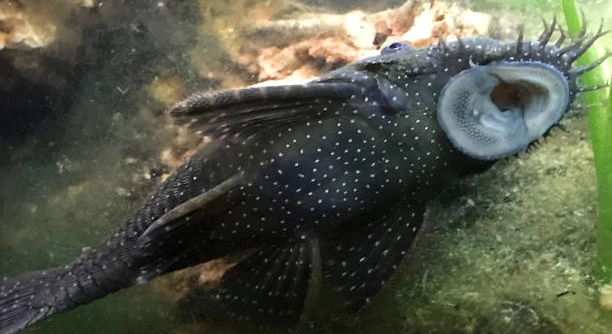
Many fishkeepers cherish the plecostomus for its algae-eating abilities and peaceful nature. However, these aquatic creatures can experience stress, which may affect their health. Recognizing early signs of stress can help ensure their well-being.
Plecostomus stress can be identified by a few clear indicators, including abnormal behavior, changes in feeding habits, and physical symptoms like discoloration or lesions. Monitoring these signs allows for timely intervention, reducing the risk of more serious health issues.
By keeping an eye on your pleco’s actions and appearance, you’ll be able to spot stress early. This knowledge helps maintain a healthy tank environment for your fish.
1. Physical Signs of Stress in Plecostomus
When a plecostomus is stressed, you may notice physical changes in its appearance. Stress can lead to faded colors, irregular body postures, or even visible damage to the skin. The fish might also develop lesions, torn fins, or patches on the body. If these changes occur, it’s important to consider environmental factors such as water quality or tankmates. It’s common for plecos to appear less active when stressed, so if yours is spending too much time hiding or not swimming around, this could also be a sign. Look closely at their body, as subtle changes can be early indicators of stress.
Check for redness or swelling around the gills or fins, as these are key signs that should not be ignored. The appearance of white spots or cloudiness on the skin could also signal a bacterial or fungal infection, often brought on by stress. Make sure the water temperature and pH levels are appropriate to keep your pleco comfortable.
Maintaining stable water conditions is essential for your plecostomus’ well-being. Stress can lower their immune system, making them more vulnerable to infections. Additionally, changes in their environment—like a new tankmate—can trigger stress. It’s crucial to create a stable and safe habitat for your pleco to thrive.
2. Behavior Changes
Stress can affect your pleco’s behavior. A stressed plecostomus may stop eating or become more aggressive. They might hide for longer periods or swim erratically in the tank. Watch for any signs of unusual swimming patterns, like floating at the surface or moving in circles. If your pleco is usually peaceful but starts showing aggression, it’s a red flag.
Behavioral changes are often the first sign that something isn’t right. A stressed plecostomus may start to swim frantically, constantly darting around the tank in search of escape. This often happens when the pleco feels threatened or trapped in its environment. Keep a close eye on the behavior of your fish after making any changes in their tank or routine. Being aware of these shifts allows you to react quickly and adjust conditions as needed.
Fish are sensitive to even slight shifts in their environment, and a stressed plecostomus can quickly spiral into a more serious issue if the problem isn’t addressed. Always give them a safe and predictable environment.
3. Water Quality Issues
Water quality is crucial for a plecostomus. Poor water conditions are one of the main causes of stress. If your pleco starts acting oddly, it’s essential to check the ammonia, nitrate, and nitrite levels. Elevated levels of any of these can quickly harm your fish.
Stress from poor water quality can lead to symptoms like loss of appetite, lethargy, and physical damage. Make sure you regularly test the water and perform water changes to keep everything in balance. Keeping the water clean is one of the simplest ways to help your pleco feel safe and comfortable.
If your pleco is showing signs of stress, check the temperature and pH levels as well. Water that’s too hot or cold can shock your pleco, leading to health issues. Ensuring the right water conditions will help prevent stress and keep your pleco active and healthy.
4. Overcrowding in the Tank
Overcrowding can stress out your plecostomus. A tank that is too small or filled with too many fish can create a tense environment. This stress can lead to physical signs, such as loss of color or torn fins. If you notice your pleco hiding more than usual, overcrowding might be the issue.
Plecostomus are bottom dwellers and require space to thrive. When there are too many fish in the tank, competition for resources like food and hiding spots increases. This can cause a pleco to feel threatened or stressed, leading to poor health.
To avoid overcrowding, make sure your tank is large enough for all your fish. You should also carefully monitor your pleco’s interactions with other tankmates. The more room your pleco has, the less likely it will become stressed. A spacious, peaceful tank will promote its overall well-being.
5. Improper Tank Setup
An improper tank setup can be a major source of stress for your plecostomus. A tank that lacks hiding spots or has sharp decorations can make your fish feel vulnerable. Make sure there are plenty of places for your pleco to hide and explore.
Without the right environment, your pleco will feel exposed, increasing stress. Smooth rocks, driftwood, and plants offer shelter and comfort. Avoid any sharp objects that could injure your fish or make it anxious. A well-set-up tank helps your pleco feel secure, reducing stress and improving its overall health.
6. Unstable Lighting
Lighting is another factor that affects a plecostomus’ stress level. If your tank lighting is too bright or inconsistent, it can upset your fish. Plecos prefer dimmer light, as they are naturally nocturnal creatures.
Too much light can cause your pleco to hide more often, making it harder for you to spot stress signs. Stick to a consistent lighting schedule, mimicking natural day and night cycles. This stability helps your pleco feel safe and comfortable in its environment, reducing unnecessary stress.
7. Unbalanced Diet
Feeding your plecostomus an unbalanced diet can lead to stress and health problems. Plecos are algae eaters but also need vegetables, sinking pellets, and occasional protein. A poor diet can affect their immune system and stress them out.
An inadequate or inconsistent diet can make your pleco weaker and more prone to illness. To ensure your fish is healthy, provide a variety of food and make sure it has access to algae at all times. Healthy eating habits are key to preventing stress and promoting a long, happy life.
FAQ
What are the common signs of a stressed plecostomus?
A stressed plecostomus may show several signs such as hiding for long periods, loss of appetite, and changes in behavior like erratic swimming or staying near the surface. You might also notice physical changes, like fading colors, torn fins, or white spots on its body. If any of these signs appear, it’s important to check the tank conditions and address potential stressors immediately.
How can I improve the water quality for my plecostomus?
To improve the water quality for your plecostomus, start by regularly testing for ammonia, nitrate, and nitrite levels. Make sure the water temperature and pH are in the appropriate range for plecos. Perform regular water changes, usually about 25% every 1-2 weeks, depending on tank size and fish load. A good filtration system also helps maintain clean water. Additionally, remove any uneaten food from the tank to prevent excess waste buildup.
How often should I feed my plecostomus?
Plecostomus are bottom feeders and need a balanced diet. You should feed your pleco once a day, offering a variety of foods such as algae wafers, vegetables like zucchini or cucumber, and occasional protein-rich foods. It’s best to feed them at night since they are nocturnal and will be more active. Don’t overfeed, as excess food can lead to poor water quality and health issues.
Can plecostomus live with other fish?
Yes, plecostomus are generally peaceful and can live with other fish. However, it’s important to choose tankmates carefully. Avoid aggressive species that might bully your pleco or overcrowd the tank. Plecos are bottom dwellers, so make sure there is enough space for them to move around without competition for food. Good tankmates include peaceful fish like tetras, guppies, or other bottom-dwelling species.
Why is my plecostomus hiding all the time?
A plecostomus may hide when it’s stressed or uncomfortable. This could be due to water quality issues, an unsuitable tank environment, or aggressive tankmates. It’s also common for plecos to hide during the day, as they are nocturnal. However, if your pleco is hiding all the time, it could indicate something is wrong. Check water parameters, ensure it has enough hiding places, and evaluate its tankmates.
Can I keep multiple plecostomus in the same tank?
You can keep multiple plecos in the same tank, but there are some considerations. Plecos are territorial, especially males, so having multiple plecos in a smaller tank can lead to fighting. If you plan to keep several, ensure your tank is large enough (at least 75 gallons for multiple plecos) and provide enough hiding spots to reduce territorial aggression. It’s better to keep a single pleco or a group of females, as males tend to be more aggressive.
How do I know if my plecostomus has an infection?
Signs of infection in a plecostomus can include lesions, white spots on the body, discoloration, or unusual swimming patterns. If the pleco is scratching against objects or is excessively lethargic, it could be dealing with an infection. Common infections include fungal, bacterial, and parasitic infections, which can be caused by poor water quality or stress. If you suspect an infection, isolate the pleco and treat it with the appropriate medication.
Can plecostomus live without a filter?
While plecostomus can survive in a tank without a filter for short periods, it’s not ideal. A filter helps maintain water quality by removing waste, excess food, and toxins. Without proper filtration, the water can become polluted quickly, leading to stress and health issues for your pleco. It’s highly recommended to use a filter to keep the tank clean and the fish healthy.
How do I properly acclimate a new plecostomus to my tank?
Acclimating a new plecostomus to your tank is crucial for its health. Start by floating the bag with the pleco in your tank for 15-20 minutes to let the temperature equalize. Then, gradually add small amounts of tank water to the bag every 5 minutes for about 30 minutes. Once the pleco has adjusted to the water conditions, gently release it into the tank. Avoid sudden changes in temperature, pH, or other water parameters, as this can stress the fish.
What should I do if my plecostomus is not eating?
If your plecostomus isn’t eating, the first step is to check the water quality. Poor water conditions can cause a pleco to lose its appetite. Also, ensure you are offering a variety of foods like algae wafers, vegetables, and sinking pellets. If your pleco has been hiding for extended periods, stress from tankmates or an improper environment could be the issue. If the problem persists, consider isolating the pleco in a separate tank and observing its behavior.
Final Thoughts
Understanding how to spot stress in a plecostomus early is key to maintaining their health and happiness. These fish are hardy, but like any pet, they need the right care and environment to thrive. Stress can be caused by many factors such as poor water quality, improper tank setup, overcrowding, or an unbalanced diet. By regularly checking water parameters, providing hiding places, and ensuring a balanced diet, you can significantly reduce the chances of stress affecting your pleco. It’s essential to monitor your fish closely for signs of distress and act quickly when needed.
Keeping a plecostomus in good health goes beyond just meeting their basic needs. They need stable conditions to feel secure. This means ensuring the right temperature, maintaining consistent lighting, and avoiding sudden changes in the tank environment. Stress can be subtle at first, but over time, it can lead to serious health problems for your pleco. Regular water changes and good tank maintenance habits will help avoid these issues. Remember, creating a safe and calm environment for your pleco is the best way to prevent stress in the long run.
Ultimately, your plecostomus will thrive in a well-maintained tank with proper care. Keep an eye on their behavior and physical condition, and don’t hesitate to make adjustments to the tank if necessary. Stress is often preventable if you can recognize the signs early. The more effort you put into creating the right environment and routine, the healthier your pleco will be. With a little attention to their needs, your plecostomus can live a long, happy life in your aquarium.

Hello,
If you enjoy the content that we create, please consider saying a "Thank You!" by leaving a tip.
Every little bit helps us continue crafting quality advice that supports the health, happiness, and well-being of pets around the world, for pets of all shapes, sizes, and species.
We really appreciate the kindness and support that you show us!