
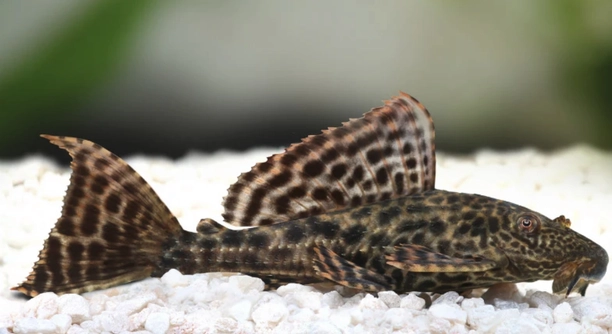
Caring for a plecostomus is rewarding, but keeping them healthy requires knowing when something is wrong. Spotting early signs of illness can help prevent bigger problems down the road and ensure your fish stays happy.
The earliest signs of illness in a plecostomus often include changes in behavior, such as reduced activity, loss of appetite, or abnormal swimming. Monitoring their environment and appearance can also reveal issues before they become serious.
With the right knowledge, you can protect your pleco from potential health risks. Understanding these signs will make it easier to maintain your aquarium’s overall health.
Changes in Behavior
A plecostomus that is suddenly less active or seems disoriented could be showing early signs of illness. They may hide more often or swim aimlessly. It’s important to note that plecos are naturally nocturnal, so don’t panic if they’re more inactive during the day. However, if your pleco’s behavior shifts dramatically or they stop moving altogether, it could be a warning. Reduced activity could also mean they’re in pain or under stress due to changes in water quality or tank mates.
This kind of behavior is typically one of the first noticeable signs that something’s wrong. A lack of movement or abnormal swimming can indicate illness or discomfort.
If your pleco spends more time hiding or sitting in one spot, it’s time to check other factors in the tank. Poor water quality or a lack of oxygen may be the problem. A sudden change in behavior often requires immediate attention to prevent further issues. Try adjusting the water temperature and checking the filtration system to ensure it’s operating properly.
Loss of Appetite
When a plecostomus refuses food, it’s a signal you shouldn’t ignore. They’re typically hardy eaters, so a decrease in appetite can indicate stress or health problems.
Changes in appetite are usually tied to water conditions. High levels of ammonia, nitrites, or poor water circulation can make your pleco lose interest in food. If you’re noticing this issue, try to test the water quality to rule out these factors. Also, ensure their food is fresh and appropriate for their species.
An uninterested pleco can also suffer from internal parasites or infections. Watch for any accompanying symptoms like bloating or lethargy. If these signs appear, you might need to treat the tank with appropriate medications. The sooner you spot these issues, the quicker you can take action to help your fish recover.
Abnormal Swimming Patterns
When a plecostomus starts swimming in circles or unusually fast, it can indicate a problem. While plecos are naturally slow swimmers, erratic movements can be a sign of distress. If they’re constantly darting around or floating upside down, there may be an issue with their health.
This behavior could be caused by poor water quality, parasites, or even an injury. An environment that’s too warm or too cold can also affect their ability to swim properly. It’s essential to test the water parameters, including pH, ammonia, and nitrate levels. Consistent abnormal swimming can stress the pleco, potentially leading to worse health issues. If the problem persists, it may require a more in-depth examination from an aquarium professional.
Swim bladder disease is another condition that might cause abnormal swimming patterns. It affects the pleco’s ability to control buoyancy. If this is the case, the pleco may have difficulty staying upright or even float near the water’s surface. Treating swim bladder issues requires proper care and adjustments to the water conditions.
Physical Appearance Changes
Look for noticeable changes in your plecostomus’s physical appearance. Spots, discoloration, or unusual growths can all be signs of illness. While plecos can occasionally develop natural markings, anything that looks out of the ordinary needs attention.
Infections, parasites, or even poor water quality can cause skin lesions, fin rot, or cloudy eyes. A change in color can indicate stress or an imbalance in the tank environment. If you notice any of these symptoms, test the water and check for parasites on the skin or gills. Sometimes, a poor diet can also contribute to poor coloration. If the pleco appears pale or discolored, it may be an indication of an underlying health issue, such as a lack of nutrients.
Regularly inspecting your plecostomus will help you catch these changes early. If you notice bumps, lesions, or swollen areas on the fish, it’s best to isolate it and treat the tank promptly.
Difficulty Breathing
If your plecostomus is gasping at the water’s surface or seems to be struggling for air, it’s a clear sign that something is wrong. This could be due to poor water oxygenation, high toxins, or an internal health issue.
Poor water quality, particularly high ammonia levels or low oxygen, can cause breathing difficulties. Test the water for ammonia, nitrite, and nitrate levels and adjust the filtration system if needed. If the pleco is still having trouble breathing after improving water conditions, consider adding an air stone or aerator to the tank.
Swelling or Bloating
Swelling or bloating can indicate various issues, including digestive problems, internal parasites, or kidney disease. A bloated pleco might not be able to swim properly and could even lose interest in food.
Improper diet or overfeeding can lead to bloating. Make sure to feed your pleco a balanced diet and avoid overfeeding, which can cause constipation or excessive gas buildup. If bloating is persistent, it may point to an infection or an internal condition like dropsy. Seek advice from a vet who specializes in aquatic life for further treatment.
Fins and Tail Damage
Damaged fins or tail can be a sign of an infection, injury, or stress. A plecostomus with torn or ragged fins might be dealing with aggressive tank mates or poor water quality.
It’s essential to check the water quality regularly and ensure there are no sharp objects in the tank that could cause injuries. If you suspect an infection, consider isolating the pleco in a separate tank with a medicated treatment. Keeping your tank well-maintained and stress-free will help prevent fin damage.
FAQ
What is the best way to check if my plecostomus is sick?
The first step is to observe your plecostomus’s behavior and appearance. Look for signs like reduced movement, swimming in circles, or loss of appetite. Check the water quality for ammonia, nitrites, and pH levels, as poor water conditions can lead to sickness. A pleco with visible changes in color, spots, or lesions is another red flag. If you’re unsure, isolating the fish and monitoring its condition is a good idea until the problem becomes clear.
How do I prevent my plecostomus from getting sick?
Preventing illness starts with maintaining good water quality. Regular water changes and a proper filtration system will help ensure the environment stays healthy. Make sure the tank is properly sized for your pleco, as overcrowding can lead to stress. Offering a balanced diet and keeping the tank free of sharp objects or aggressive tank mates will also reduce the chance of injury or infection.
How often should I clean my plecostomus’s tank?
Cleaning the tank regularly is essential for your pleco’s health. Aim to clean the tank and change 20-25% of the water every week to prevent the buildup of harmful toxins. Check the filtration system to ensure it’s working efficiently. Remove any uneaten food after feeding, as leftover food can quickly decompose and affect water quality. Clean the decorations and substrate occasionally but avoid deep cleaning too often, as this could disrupt beneficial bacteria that help keep the tank balanced.
What kind of food is best for my plecostomus?
Plecostomus are omnivores, so they need a variety of foods. Offer a mix of algae wafers, vegetables (like zucchini, cucumber, and spinach), and occasional protein sources like shrimp or worms. Be sure to provide sinking food as plecos prefer to eat at the bottom. Avoid overfeeding as this can lead to digestive issues. Always remove any uneaten food after a few hours to maintain clean water.
Why does my plecostomus hide all the time?
Plecos are naturally nocturnal creatures, so they often hide during the day and become more active at night. However, if your pleco is hiding excessively or seems stressed, it could be due to poor water quality, incompatible tank mates, or an illness. Check the water parameters and make sure the pleco’s tank is not overcrowded or too noisy. A stressed pleco may also hide to avoid potential threats or aggressive fish in the tank.
Can my plecostomus get diseases from other fish?
Yes, plecostomus can catch diseases from other fish, especially if the tank is not properly maintained. Fish-to-fish transmission of parasites and bacterial infections is common in crowded or poorly filtered tanks. If you notice any signs of illness in your pleco, it’s important to check the health of the other fish in the tank. Quarantining sick fish and treating the entire tank can help prevent further spread of disease.
How do I treat swim bladder disease in my plecostomus?
Swim bladder disease can cause your pleco to have difficulty swimming or to float uncontrollably. To treat this condition, start by checking the water conditions for any imbalances. It’s also important to avoid overfeeding, as this can contribute to the issue. In some cases, temporarily fasting the pleco or feeding small amounts of peas (a natural laxative) may help. If symptoms persist, consider isolating your pleco in a separate tank and consult a vet who specializes in aquatic animals for further treatment.
Why is my plecostomus’s skin turning pale?
Paleness can indicate poor water quality, stress, or an underlying illness. If your pleco’s color is fading, test the water for ammonia, nitrites, and nitrates, as high levels of these toxins can cause stress and discoloration. A poor diet or lack of nutrients may also contribute to the change in appearance. Make sure your pleco is eating a well-balanced diet and that the tank is properly maintained.
Is it normal for my plecostomus to scrape against rocks or decorations?
Plecos sometimes scrape against rocks or decorations to help remove algae from their bodies. However, if the scraping seems excessive or results in physical damage, it could be a sign of skin irritation, parasites, or stress. Inspect the tank for any sharp objects or rough surfaces that may be injuring the fish. Check the water quality and the pleco’s overall behavior. If this persists, a trip to an aquarium vet may be necessary.
What should I do if my plecostomus stops eating?
If your pleco stops eating, start by checking the water conditions. Poor water quality is one of the most common causes of a loss of appetite. Ensure the tank is clean, the water is properly filtered, and the temperature is stable. If the water parameters are fine and your pleco still refuses to eat, it might be ill or stressed. Check for other signs of illness, such as abnormal behavior or physical changes. If necessary, isolate the pleco and seek advice from a professional.
Final Thoughts
Taking care of a plecostomus requires paying attention to both the water quality and the overall health of the fish. A happy pleco can live for years if it is properly cared for. Regular water changes, the right diet, and monitoring their behavior are all essential parts of keeping your pleco healthy. When you notice something unusual, whether it’s a change in behavior or appearance, it’s important to act quickly. The earlier you identify potential problems, the better your chances of resolving them before they become serious issues.
Even though plecostomus are hardy fish, they are still susceptible to illness, especially if the tank environment isn’t ideal. Ensuring that your tank has proper filtration, temperature regulation, and a balanced ecosystem will help prevent many common issues. Don’t forget about the importance of providing them with a varied diet. They need a mix of algae-based foods, vegetables, and occasional protein. A healthy diet supports their immune system, helping them fend off potential illnesses. If your pleco shows signs of being unwell, it’s important to take action quickly. Whether it’s adjusting the water conditions, treating the tank for parasites, or providing medical care, prompt attention can help them recover faster.
Lastly, it’s essential to remember that every plecostomus is different. Some may show early signs of illness, while others may not display symptoms until the problem worsens. That’s why closely monitoring your fish and the environment they live in is critical. By following the steps outlined in this article, you can ensure that your pleco thrives in a healthy and stress-free environment. If you ever feel unsure about what to do, don’t hesitate to seek advice from an aquarium professional or vet. Your plecostomus’s health and well-being are worth the effort.

Hello,
If you enjoy the content that we create, please consider saying a "Thank You!" by leaving a tip.
Every little bit helps us continue crafting quality advice that supports the health, happiness, and well-being of pets around the world, for pets of all shapes, sizes, and species.
We really appreciate the kindness and support that you show us!