
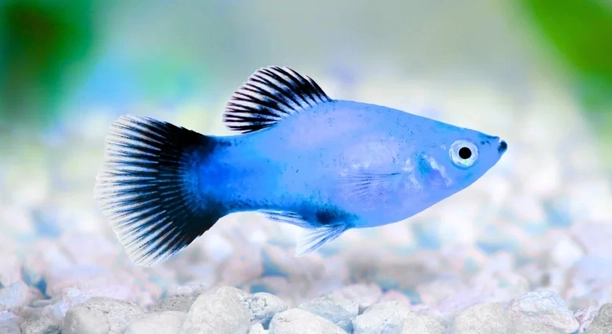
Are you thinking about bringing home a platy but unsure how to tell if it’s healthy just by looking at it?
A healthy platy will have clear eyes, smooth scales, and steady, active swimming behavior. It should not have torn fins, visible parasites, or signs of bloating. Vibrant coloration and alert movement are key indicators of good health.
Noticing these signs at the store can help you choose a strong and lively fish for your aquarium at home.
Look for Bright, Clear Eyes
Healthy platies have eyes that are clear, bright, and alert. Cloudy or sunken eyes can be a sign of poor health or stress. While shopping, take a moment to observe how the fish reacts to movement or activity nearby. A healthy platy will show interest or slight curiosity and respond by swimming toward the front of the tank or changing direction quickly. This alertness suggests the fish is feeling well and aware of its environment. On the other hand, dull or unresponsive eyes may indicate underlying issues that could affect the fish after purchase.
Avoid fish that appear dazed or uninterested in their surroundings, especially if their eyes look unusual or out of focus.
Choosing a platy with bright, responsive eyes helps reduce the risk of disease and supports a smoother transition into your home tank.
Check for Smooth, Intact Scales
Scales should lie flat against the body and have a smooth, unbroken appearance.
Flaky, raised, or missing scales may point to injury, infection, or poor tank conditions. Healthy platies have scales that reflect light evenly and show no patches or discoloration. Run your eyes along the length of the fish’s body—check both sides. If you notice small white spots, red sores, or cloudy patches, it’s best to avoid that fish. These could signal stress, parasites, or recent fights with other tank mates. Raised scales can also be a symptom of dropsy, a more serious internal problem. Though tempting to rescue a sick-looking platy, doing so could risk the health of your whole tank. Choosing fish with clean, consistent scaling will help you avoid unwanted complications. It also increases the chance that your new platy will adapt easily to its new home.
Observe Active Swimming Behavior
A healthy platy will swim around the tank with confidence and balance. It should move smoothly, not jerkily or erratically, and stay upright without tilting or floating awkwardly.
Platies that stay near the bottom or hide constantly could be stressed or unwell. Healthy ones are usually seen exploring all areas of the tank and interacting with their tank mates without signs of aggression or fear. Avoid fish that appear to hover near the surface gasping for air or those that isolate themselves for long periods. These behaviors can point to poor health or poor water quality in the store tank. A fish that swims with control and energy, without signs of distress or imbalance, is more likely to adapt well to a new aquarium and remain in good condition.
Choosing a platy with steady, active movement helps ensure you’re selecting one that’s not only healthy but also thriving. Balanced swimming shows the fish has no buoyancy issues, internal infection, or major discomfort. Watch for sudden darting movements or twitching, which could point to parasites or irritation. Also, check if the fish gets along with others or constantly gets chased, as this may cause stress or injury later. Smooth, calm movement with occasional playful bursts is what you want to see.
Inspect the Fins Carefully
Healthy fins should be whole, not frayed or clamped. Torn edges or white fuzz may suggest fin rot or poor conditions.
Fins are one of the first areas to show signs of stress or illness in fish. A platy with relaxed, fully open fins signals comfort and health. If the fins are tightly clamped against the body, or the tail fin appears frayed, the fish might be suffering from bacterial or fungal issues. Also, avoid platies with missing sections of fins or redness at the base of the fins. These could be signs of injury or infection that may spread. Even though fin damage can sometimes heal, it’s better to choose a fish with strong, even fins. Look for a consistent fan shape in the tail and smooth edges in the dorsal and pectoral fins. Strong fins help the fish swim properly and prevent further stress once it enters your tank.
Avoid Fish with Bloating or Sunken Bellies
A platy with a swollen or round belly could be bloated due to constipation, parasites, or internal infections. This is especially concerning if the swelling looks uneven or if the fish appears to have difficulty swimming.
Sunken bellies are another warning sign. They may indicate the fish has not been eating properly or is suffering from internal parasites. Healthy platies usually have a well-rounded, firm midsection—not too thin or overly bloated. Be cautious of any that show noticeable changes in body shape or seem lethargic along with these symptoms.
Watch for Signs of Good Appetite
When the store staff feeds the fish, observe which platies swim up quickly to eat and which ones avoid food. A healthy platy will show interest in food and eat actively without hesitation. Loss of appetite or disinterest in food can be linked to stress, illness, or poor water conditions.
Look for Consistent Coloration
Choose a platy with rich, even coloring. Patchy or faded areas may signal stress or early signs of disease.
FAQ
How can I tell if a platy is stressed in the store tank?
Stressed platies often hide in corners, clamp their fins, or hover near the bottom of the tank. You might also notice rapid gill movement or pale coloring. These signs suggest the fish isn’t feeling well, possibly due to poor water quality or bullying from other fish. A healthy platy will swim freely and interact with others. Avoid any fish that looks withdrawn or lethargic. Choosing an active and alert platy improves your chances of bringing home a healthy pet that adjusts easily to a new environment.
What does clamped fins mean, and why is it a problem?
Clamped fins are when a platy holds its fins tightly against its body, instead of fanning them out. This often happens when the fish is stressed, sick, or living in bad water conditions. It can signal problems like ammonia burns, parasites, or infection. A healthy platy will keep its fins spread as it swims. If the fins are clamped, it’s best not to pick that fish. Clamped fins make it harder for the fish to swim and can lead to more serious health issues if left unaddressed.
Are pale or faded platies unhealthy?
Not always, but it’s often a sign of stress. A platy’s color can fade if it was just moved or is feeling threatened by tank mates. However, if the fish stays pale even when the others are brightly colored and active, that’s a concern. Consistent dull coloring may point to illness or poor diet. Healthy platies usually have vibrant and even coloring. It’s best to choose one with strong, solid tones. Avoid any fish that looks blotchy, faded, or grayed out compared to the rest of the group.
Why is one side of the platy’s body swollen more than the other?
Uneven swelling could be a sign of internal infection, injury, or dropsy. Sometimes, fish will develop swelling from an organ issue or fluid buildup inside the body. Unlike pregnancy, where the belly looks even and symmetrical, infections or digestive problems can cause one side to bulge. This type of swelling can affect the fish’s swimming balance and usually doesn’t go away easily. Avoid platies that look uneven or bloated on one side, especially if they also swim strangely or avoid food.
Can platies with damaged fins still recover?
Yes, but recovery depends on the cause and severity. Minor fin nips from tank mates can heal with time and good water quality. However, if the damage is caused by fin rot or infection, treatment is required—and it might spread to other fish in your tank. When buying a new fish, it’s best to avoid those with torn or discolored fins. Even though recovery is possible, it’s safer to start with a fish that already has healthy, full fins.
Do healthy platies always swim at the top of the tank?
Not necessarily. Healthy platies explore all levels of the tank. You may see them near the top when they expect feeding or enjoy the warmth of the water surface. But they should also spend time swimming in the middle and lower parts of the tank. If a platy stays only at the top and gasps, it might be lacking oxygen or suffering from stress. Constant bottom-sitting is also a concern. Choose a platy that moves naturally and comfortably throughout the tank.
Should I worry if a platy is hiding in the corner?
Hiding occasionally is normal, especially in a new environment. However, if the fish stays in one spot for too long, avoids others, or clamps its fins while hiding, something might be wrong. It could be sick, injured, or stressed from aggressive tank mates. A healthy platy will be curious and active most of the time. Brief hiding is fine, but constant isolation is not a good sign.
What’s a safe number of platies to keep together?
Platies are social fish and do best in groups of at least three. A small group helps them feel secure and encourages active behavior. Keeping just one or two can lead to stress or loneliness. Make sure your tank is large enough—at least 10 gallons for a trio—and add plants or decorations to give them space and hiding spots. Balanced group dynamics also help reduce fin-nipping or bullying.
Can I trust the appearance of the tank water in the store?
Not entirely. Clean water can still hide problems like high ammonia or nitrate levels. But murky, discolored, or foul-smelling water is a clear warning sign. If the tank looks poorly maintained, avoid buying any fish from it. Healthy platies need clean, stable water. It’s also worth watching how the store staff handles the tanks—frequent cleaning and active fish are good signs. When in doubt, ask questions about how often the tanks are cleaned and if the fish have recently arrived.
Is it normal for platies to chase each other?
Some chasing is normal, especially among males or when fish are establishing territory. But constant aggression, nipping, or isolation of one fish can be stressful. In the store, brief chasing is fine if the fish don’t seem frightened. But if one platy is always hiding or being followed closely, it may be a sign of ongoing stress. A calm, active group is a better choice for a peaceful home tank.
Final Thoughts
Picking a healthy platy at the store takes a little patience and observation. Instead of choosing the first colorful fish you see, take your time and watch how it behaves. Look closely at its eyes, scales, fins, and belly. A strong, healthy platy will swim with energy, react to its surroundings, and show interest in food. These signs often point to good health and a lower chance of bringing disease into your home tank. It’s always better to spend a few extra minutes making sure the fish looks comfortable and alert before making your decision.
Pay attention to the condition of the tank the fish is living in. Cloudy water, dead fish, or overcrowded tanks are all signs that the fish may not be in the best shape. Even if one platy seems healthy, poor tank conditions can still affect its long-term health. If possible, watch how the fish behaves around feeding time. A healthy platy will swim toward food and eat without hesitation. Avoid fish that show signs of stress, such as hiding, clamped fins, or erratic movement. These behaviors are often early warning signs of illness or poor care. Choosing a healthy fish gives it the best chance to thrive once it’s in your care.
Bringing home a healthy platy means fewer problems for you and a smoother adjustment for the fish. Once your new fish is in its tank, give it time to settle, and monitor its behavior closely for the first few days. It’s normal for the fish to be a little shy at first, but it should begin exploring and eating soon. Keep your tank clean, feed a balanced diet, and give your platy enough space to swim. These small steps help support long-term health and prevent common problems. Buying a healthy fish is the first step toward a peaceful, active aquarium, and it all begins with careful selection at the store.

Hello,
If you enjoy the content that we create, please consider saying a "Thank You!" by leaving a tip.
Every little bit helps us continue crafting quality advice that supports the health, happiness, and well-being of pets around the world, for pets of all shapes, sizes, and species.
We really appreciate the kindness and support that you show us!