
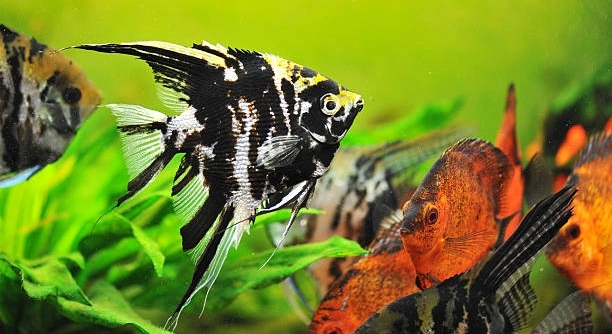
Angelfish are beautiful, vibrant creatures, making them popular choices for aquariums. Ensuring they are happy and healthy is essential for their well-being. Knowing how to spot their signs of health can help keep them thriving in your tank.
A healthy angelfish exhibits clear, bright eyes, vibrant colors, and active swimming behavior. It should have a well-developed body, not showing signs of bloating or emaciation. Regular feeding and a stable environment also contribute to their overall health.
Recognizing the signs of a happy and healthy angelfish helps maintain their longevity and vibrant appearance. Keeping track of their behavior and environment ensures they stay in the best condition possible.
Clear, Bright Eyes
A healthy angelfish will have clear and bright eyes. Dull or cloudy eyes can be a sign of illness or poor water quality. If you notice any unusual cloudiness or discoloration, it’s important to assess your tank’s environment. Clean, filtered water helps maintain the health of your angelfish, reducing the likelihood of eye problems.
Make sure to check water parameters regularly, ensuring they’re stable and within the appropriate range. Water with high levels of ammonia or nitrates can harm the fish’s delicate eyes. If you spot any changes in your angelfish’s eyes, act quickly by adjusting the tank conditions and seeking advice if needed.
Eyes are crucial for a fish’s overall well-being, as they rely on them for navigation and communication. An angelfish with healthy, clear eyes is more likely to be active and engaged. Always monitor for any signs of eye trouble, as it could be an early warning sign of health problems.
Active Swimming
Active swimming is another indicator of a healthy angelfish. Healthy fish swim freely and gracefully, especially during feeding time. They should move confidently through the tank, exhibiting energy and curiosity. A lack of movement or hovering near the bottom of the tank could point to issues like stress, poor water quality, or illness.
Fish that are constantly resting or avoiding interaction with their environment may need further attention. It’s important to observe their behavior daily to ensure they are staying active. In a healthy tank, your angelfish will explore and interact, often reacting to changes around them.
If your fish show signs of lethargy or less frequent swimming, you should check the water conditions and consider their diet. Both play a significant role in maintaining their energy levels. Keep an eye on their swimming patterns to ensure they remain healthy and lively.
Vibrant Colors
Vibrant colors are a strong sign of a happy angelfish. Healthy fish maintain their natural color patterns, which can vary from gold to silver or even darker shades depending on the type. If an angelfish appears pale or discolored, it may indicate stress or a health issue.
Ensure your angelfish has a clean and stable environment to preserve its vibrant appearance. Poor water conditions can cause their colors to fade, while stressors like sudden changes in temperature or light can have similar effects. Regular water changes and maintaining a consistent temperature help keep the fish’s color bright and healthy.
A well-balanced diet also plays a significant role in maintaining bright, healthy colors. Rich in nutrients like spirulina, omega fatty acids, and other essential vitamins, the right diet promotes natural pigmentation. If you notice a loss of color, evaluate both the tank’s environment and your angelfish’s nutrition.
Well-Developed Body
A healthy angelfish should have a well-developed body, showing neither signs of bloating nor emaciation. Look for a smooth, firm body with no visible sores or lesions. An angelfish that appears too thin or overly swollen may be suffering from an underlying issue.
Ensure that the fish’s body is properly shaped, with symmetrical fins and no noticeable deformities. Regularly inspecting your fish’s body for abnormalities can help catch problems early. Any sudden changes in shape could point to improper diet, stress, or disease. A well-fed, active angelfish will show a balanced and healthy physique.
Consistent Feeding
Feeding your angelfish regularly is crucial for maintaining their health. They should be given a varied diet that includes high-quality flakes, pellets, and occasional treats. Overfeeding can lead to water quality issues, while underfeeding can result in malnutrition and weakened immunity.
A healthy angelfish will eat regularly, and the food should be consumed within a few minutes of being added to the tank. If food remains in the tank for longer periods, reduce the portion size. It’s also important to vary their meals to ensure a balanced intake of nutrients, avoiding a one-sided diet. Regular feeding ensures they have the energy needed to remain active and strong.
Clean Water
Maintaining clean water is essential for an angelfish’s health. Regular water changes help reduce the buildup of harmful substances, ensuring the fish live in a safe, balanced environment. Dirty water can quickly lead to stress and illness in fish.
Check the tank’s water parameters, such as pH, ammonia, and nitrate levels, regularly. Clean water helps prevent diseases like fin rot and white spot, ensuring your fish stay healthy. Installing an effective filtration system also contributes to the long-term well-being of your angelfish.
FAQ
How can I tell if my angelfish is stressed?
Stress in angelfish can show up as rapid swimming, hiding, or erratic behavior. They might avoid feeding, and you may notice their fins clamped against their bodies. Stress can be caused by poor water quality, aggressive tank mates, or environmental changes. Check for any visible changes in their appearance or behavior, and assess the tank conditions to identify and resolve the issue.
Why is my angelfish losing its color?
If your angelfish is losing color, it may be a sign of poor water quality, stress, or an imbalance in their diet. Ensure the water is clean and stable, and feed your fish a nutritious diet rich in essential vitamins. Inadequate lighting or stress from incompatible tank mates can also affect their coloration. Addressing these factors will often restore their vibrant colors.
What should I do if my angelfish has fin rot?
Fin rot is a bacterial infection that causes the fins to appear ragged or decayed. If you notice any signs of fin rot, it’s crucial to separate the affected fish from the others to prevent spreading. Treat the tank with a proper antibacterial treatment, and ensure the water quality is optimal. A healthy diet with added vitamins can help support the healing process.
Can angelfish live with other fish?
Angelfish are generally peaceful, but they can become territorial, especially when breeding. They can live with other peaceful species like tetras, gouramis, and certain types of catfish. Avoid housing them with overly aggressive fish, as this can lead to stress and fighting. Proper tank size and hiding spots can help reduce aggression.
How often should I feed my angelfish?
Angelfish should be fed once or twice a day. Offer only as much food as they can consume in 3-5 minutes to avoid overfeeding. A varied diet, including flakes, pellets, and occasional live or frozen food, helps ensure they get all the nutrients they need. Overfeeding can lead to water quality problems.
Why is my angelfish not eating?
If your angelfish is not eating, it could be due to stress, illness, or water quality issues. Check for signs of stress or disease, and make sure the water parameters are within the ideal range. If the fish’s tank mates are aggressive, this could also affect their appetite. Try offering different types of food to see if they show interest.
How do I maintain the right water temperature for angelfish?
Angelfish prefer water temperatures between 76-82°F (24-28°C). Use a reliable aquarium heater to maintain a stable temperature. Avoid temperature fluctuations, as they can stress the fish and make them more vulnerable to disease. A thermometer placed in the tank will help you monitor the temperature regularly.
Can I keep angelfish in a tank with live plants?
Yes, angelfish can thrive in a tank with live plants. In fact, plants provide hiding spots and create a more natural environment, reducing stress. However, angelfish can sometimes nibble on plants, especially soft-leafed varieties. Choose hardy plants that can withstand occasional grazing.
What size tank do angelfish need?
Angelfish require a tank that is at least 20 gallons for a single pair. Larger tanks are better, especially if you plan on keeping multiple fish. A larger tank provides more space for swimming and helps maintain better water quality. Always ensure your tank has a proper filtration system to keep the water clean.
How do I prevent my angelfish from getting sick?
To prevent illness, maintain clean water and stable tank conditions. Regularly test the water for ammonia, nitrate, and pH levels. Avoid overcrowding, and always quarantine new fish before introducing them to your tank. A balanced diet will also boost their immune system, keeping them healthy and strong.
What is the lifespan of an angelfish?
Angelfish typically live for 10-15 years if provided with proper care, including a stable tank environment, appropriate diet, and regular water changes. Ensuring that all their needs are met will allow them to live a long, healthy life. Keep an eye on their behavior, as early detection of issues can prolong their lifespan.
Why is my angelfish staying at the bottom of the tank?
If your angelfish is staying at the bottom of the tank, it could be a sign of illness, poor water quality, or stress. Check the water parameters, as poor oxygenation or high levels of ammonia can cause fish to seek shelter. Illnesses like swim bladder disease may also affect their swimming behavior.
Final Thoughts
Angelfish are beautiful, peaceful creatures that can thrive in a well-maintained aquarium. By paying attention to their behavior, body condition, and environment, you can easily spot if they are healthy and happy. Consistently maintaining a clean tank, providing a balanced diet, and monitoring water quality will ensure they live a long, vibrant life. Whether you’re new to fishkeeping or a seasoned hobbyist, taking these steps will help you create the best possible environment for your angelfish.
One of the most important aspects of keeping angelfish is understanding their needs. They require stable water conditions, appropriate tank mates, and a steady supply of food. Keeping an eye on their color, body shape, and overall activity level can give you a good idea of their health. If any signs of stress, illness, or injury appear, taking quick action will often prevent further issues. Remember, angelfish are sensitive to changes in their environment, so consistency is key.
In conclusion, keeping angelfish healthy is a combination of good practices and attention to detail. With regular care, proper feeding, and an appropriate tank setup, these stunning fish will thrive and add beauty to your home. Monitoring their health and addressing any issues promptly will help ensure they stay happy and vibrant for years to come. By following these simple guidelines, you can enjoy watching your angelfish grow and flourish in their environment.

Hello,
If you enjoy the content that we create, please consider saying a "Thank You!" by leaving a tip.
Every little bit helps us continue crafting quality advice that supports the health, happiness, and well-being of pets around the world, for pets of all shapes, sizes, and species.
We really appreciate the kindness and support that you show us!