
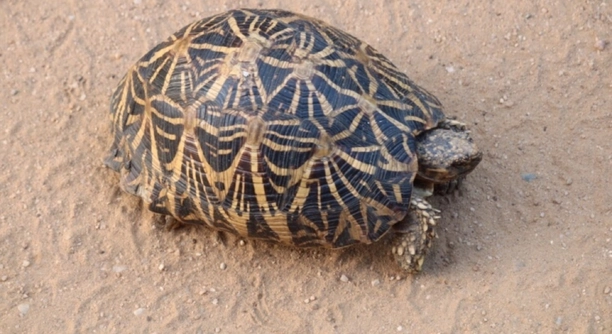
Traveling with an Indian Star Tortoise can be a rewarding experience, but it requires careful planning to ensure its safety and comfort. Whether you’re heading to a vet or on a long vacation, your tortoise’s needs must be prioritized.
To safely travel with your Indian Star Tortoise, it’s essential to prepare a secure carrier, ensure appropriate temperature and humidity, and minimize stress during the journey. Proper planning can make the experience comfortable for both you and your pet.
This guide will help you navigate the steps to ensure a safe trip for your tortoise. Keeping your pet calm and secure is key to a successful journey.
Preparing a Secure Carrier for Your Indian Star Tortoise
When traveling with your Indian Star Tortoise, choosing the right carrier is one of the most important steps. A secure, well-ventilated carrier will ensure your pet’s safety and comfort throughout the trip. Look for a carrier that is spacious enough for your tortoise to move around but not so large that it could cause it to get tossed around during transport. The carrier should be sturdy to prevent any accidents, with a locking door that can’t be easily opened by your pet. The floor should be lined with a non-slip, absorbent material to provide traction and absorb waste.
A comfortable carrier keeps your tortoise safe. Make sure to place soft bedding inside, and don’t forget to cover any sharp edges that could harm your pet.
The material of the carrier should be easy to clean, as your tortoise will likely go to the bathroom during the trip. This way, you can maintain a clean environment for the entire duration of your travels, keeping things stress-free.
Ensuring Proper Temperature and Humidity
Your tortoise’s comfort depends on maintaining the right temperature and humidity levels during travel. This is especially important for an Indian Star Tortoise, as they thrive in warm, humid environments. Use a portable heat source like a reptile heat pack to regulate the temperature inside the carrier. It’s best to keep the carrier in a warm area, away from drafts.
Humidity is just as important. To prevent dehydration, lightly mist the inside of the carrier or add a damp towel. Make sure to avoid over-humidifying, as this can lead to other issues like mold. Keeping your tortoise in its preferred conditions will reduce stress and ensure it remains healthy during travel. Additionally, you may want to monitor the temperature and humidity with a small gauge to make sure conditions are ideal.
A little preparation with temperature and humidity can go a long way in ensuring your tortoise remains calm and comfortable, minimizing the risk of stress or health issues.
Minimize Stress by Maintaining Routine
Indian Star Tortoises, like many reptiles, are creatures of habit. When traveling, they can easily become stressed if there are sudden changes in their environment. One of the best ways to minimize this stress is by sticking to your tortoise’s regular feeding and activity schedule as much as possible. While this may be difficult on the road, try to replicate the conditions of its home environment. For example, if your tortoise is used to basking in the sun in the morning, set aside time for this during breaks on your trip.
Feeding your tortoise at its usual time and in a familiar manner can also ease anxiety. If you usually feed your tortoise fresh vegetables or fruits, bring along the same foods. Avoid introducing new types of food while traveling, as unfamiliar items can cause digestive upset. Additionally, keeping your tortoise in a calm, quiet environment will help maintain its sense of security.
By sticking to a routine, you can help your tortoise feel more at ease and reduce unnecessary stress.
Hydration is Key During Travel
Hydration is essential to your tortoise’s well-being, especially during travel. Reptiles can easily become dehydrated, which can lead to health issues. To keep your tortoise hydrated, provide access to clean, fresh water at all times. A shallow dish inside the carrier works best, as it prevents spillage and makes it easy for your tortoise to drink. Make sure the water dish is easy to reach and is replenished regularly.
Dehydration can also be prevented by offering wet greens or fruit, which can add moisture to your tortoise’s diet. When making stops, allow your pet to drink as much as it needs. In addition, avoid feeding dry food that could further contribute to dehydration.
Throughout your travels, keeping your tortoise properly hydrated will help keep it healthy, happy, and stress-free. A well-hydrated tortoise is more likely to adjust comfortably to its temporary surroundings.
Monitor Your Tortoise’s Behavior
Keep an eye on your tortoise throughout the trip. If it seems overly stressed or inactive, it could be a sign that something is wrong. Check for any signs of dehydration or discomfort, such as dry eyes, lack of movement, or excessive hiding. These could indicate that your tortoise needs attention.
If you notice any unusual behavior, it’s important to stop and assess the situation. A quick break from the travel process can allow your tortoise to calm down and get back to its usual self. Offer fresh water and inspect its environment. Make sure it’s not too hot or too cold, and that the humidity level is correct. If needed, adjust the environment before continuing. Stress can have lasting effects on your tortoise’s health, so being proactive is crucial.
Additionally, provide extra comfort by ensuring its carrier feels secure. A calm pet will be far more comfortable during the rest of the trip. With constant monitoring, you’ll be able to keep your tortoise safe and healthy.
Plan for Bathroom Breaks
Taking bathroom breaks is just as important for your tortoise as it is for you. Your pet will likely need to relieve itself during the trip, so plan for stops. Ideally, you should give it a chance to move around outside of its carrier to use the bathroom safely.
When making bathroom stops, find a quiet, controlled environment where your tortoise can feel secure. Avoid busy, noisy areas where it could become stressed. Set up a small, secure area for your tortoise to roam, like a towel or mat, so it can have some time to stretch and relieve itself.
Make sure to clean up any waste immediately to keep the environment hygienic. Having wipes or paper towels handy will help you quickly address any mess. After the bathroom break, check that your tortoise is doing well before continuing. Frequent stops for bathroom breaks will ensure your tortoise remains healthy and comfortable, and it will also give you peace of mind.
Avoid Overcrowding the Carrier
Your tortoise needs space to feel comfortable, so don’t overcrowd the carrier. Giving your pet room to move reduces stress and helps with ventilation. A cramped environment can make your tortoise feel trapped, which may increase its anxiety levels.
By keeping the carrier spacious, you ensure that your tortoise has room to adjust its position, turn around, and stretch its legs. This can make a significant difference in how it feels throughout the trip. Overcrowding can also cause unnecessary pressure, affecting your pet’s well-being. Always prioritize space over packing more items in the carrier.
Use Familiar Items to Comfort Your Tortoise
Bringing familiar items from home can provide comfort during travel. Whether it’s a favorite blanket, a rock, or a piece of bark, familiar objects will help your tortoise feel more secure. These items carry your tortoise’s scent, which can create a calming environment.
Having these items can ease the transition to new places. They help maintain a sense of normalcy in an unfamiliar environment. With the familiar scents of home, your tortoise will be less likely to experience anxiety.
Plan for Feeding and Watering Breaks
Feeding and watering breaks are essential. When traveling, make sure your tortoise has access to food and water at regular intervals. Take breaks to refill its water dish and offer food to prevent dehydration and hunger.
FAQ
How long can my Indian Star Tortoise travel in a carrier?
Your tortoise can travel for several hours in a carrier, but it’s important to plan regular breaks. Every 3 to 4 hours, stop to check on your tortoise, provide water, and give it a chance to stretch if possible. A longer trip may require more frequent stops to ensure its comfort. Always avoid traveling for extended hours without giving your tortoise breaks. The key is to keep the environment stable and reduce stress during these intervals.
What temperature should the carrier be during travel?
The temperature inside the carrier should be between 75°F and 85°F (24°C to 29°C). You can use a heat pack or portable heating source to help maintain this range. Avoid excessive heat, as it can make your tortoise uncomfortable, and ensure the carrier is not exposed to drafts. Check the temperature regularly, especially during long trips, to keep your tortoise safe and happy. Adjust the heating if necessary to prevent overheating or chilling.
Can I feed my tortoise during travel?
Yes, but you should stick to its usual diet to avoid digestive issues. Offer fresh vegetables or fruits during breaks, and make sure they are easy to digest. Avoid feeding your tortoise right before travel, as this could cause motion sickness. Smaller, more frequent meals are better than a large meal at once. Always offer fresh water with food to keep your tortoise hydrated, and avoid giving it too much food during the trip, as it could make your pet uncomfortable.
How do I prevent dehydration while traveling with my tortoise?
Hydration is essential during travel. Provide access to fresh water in a shallow dish inside the carrier. You can also mist the carrier lightly to add some humidity, but be cautious not to overdo it. Keep an eye on your tortoise to ensure it’s drinking regularly. You can also offer wet fruits or vegetables to help with hydration. In warm conditions, make sure your tortoise doesn’t overheat, as dehydration can occur faster in hot environments.
How can I reduce stress for my tortoise while traveling?
To reduce stress, try to keep the trip as calm as possible. Stick to a routine by feeding and providing water at regular intervals. Ensure the carrier is not too cramped, as comfort is crucial for your tortoise’s well-being. Avoid loud noises or sudden movements during travel. Cover the carrier with a cloth to provide a dark, quiet environment. Familiar objects like a piece of bedding or favorite rock from home can also help ease anxiety. Frequent monitoring during stops will allow you to check if your tortoise is comfortable.
Can I take my Indian Star Tortoise on an airplane?
Yes, you can travel with your tortoise on an airplane, but it requires careful planning. Many airlines have specific pet policies, and you will need to check with them before booking. Typically, your tortoise must travel in an approved carrier and will need to stay in the cargo hold unless it’s small enough to travel in the cabin. Be sure to contact the airline ahead of time to ensure they allow reptiles. You’ll also need a health certificate from a vet, and it’s recommended to check with authorities about any restrictions in your destination.
What should I do if my tortoise gets sick during travel?
If your tortoise appears sick during travel, it’s important to stop and assess the situation. Look for signs like lethargy, lack of movement, or abnormal breathing. If your tortoise seems distressed, ensure it is in a comfortable environment with the correct temperature and humidity levels. Contact a vet if necessary, and keep the trip short while you manage the situation. Preventative care before travel—such as a health check with your vet—will help reduce the chances of illness while traveling.
How do I keep my tortoise safe from predators during outdoor breaks?
During outdoor breaks, always supervise your tortoise to prevent potential threats from predators. Use a secure, enclosed space where your tortoise can roam safely. A small pen or enclosure works well to keep it safe from pets, birds, or other animals. Never leave your tortoise unattended, even in areas that seem secure, as predators can be unpredictable. Having a watchful eye will ensure your tortoise stays protected.
Can I travel with multiple tortoises at once?
Yes, but you need to ensure each tortoise has enough space in a separate carrier. Overcrowding can cause stress and potential injuries. Each tortoise should have its own space to prevent territorial behavior, which may escalate into fighting. Ensure each carrier is properly ventilated and has enough room for movement. Frequent stops are essential, and you should monitor each tortoise’s health and behavior individually throughout the trip. Traveling with multiple tortoises can be manageable as long as you prioritize their comfort and well-being.
How do I handle bathroom breaks for my tortoise during travel?
Bathroom breaks are necessary to keep your tortoise comfortable. Plan for stops every few hours to allow it to relieve itself. Set up a small area where your tortoise can move freely to use the bathroom. Always carry wipes or paper towels to clean up after each break. Ensure that the break area is safe and free from hazards. After each stop, check on your tortoise’s well-being before continuing. If your tortoise needs to relieve itself more frequently, plan for shorter travel intervals.
Traveling with your Indian Star Tortoise may seem like a big task, but with the right preparation, it can be a smooth experience for both you and your pet. It’s essential to focus on a few key factors like comfort, safety, and hydration. The most important thing is to make sure your tortoise has enough space to move around in its carrier and that the environment is kept at the right temperature and humidity levels. By paying attention to these details, you’ll help reduce stress and keep your tortoise healthy during the trip.
When traveling, always be mindful of your tortoise’s behavior and needs. Regular breaks are necessary to make sure it stays hydrated and well-fed. Avoid overfeeding or overwhelming your tortoise with new foods during the trip, as this can cause discomfort. Stick to the feeding routine and offer familiar items to provide some comfort in an unfamiliar environment. Keep an eye on its behavior and make sure it has the chance to use the bathroom if needed. By staying attentive and caring, you can help your tortoise stay calm and content.
In the end, the key to successful travel with your Indian Star Tortoise is preparation and consistency. Whether you are traveling short or long distances, you’ll want to ensure that everything is in place before heading out. If you provide a safe and secure environment, monitor your pet’s well-being throughout the trip, and plan for breaks, the travel experience will be much easier. With a little effort and attention to detail, you and your tortoise can enjoy a stress-free journey.

Hello,
If you enjoy the content that we create, please consider saying a "Thank You!" by leaving a tip.
Every little bit helps us continue crafting quality advice that supports the health, happiness, and well-being of pets around the world, for pets of all shapes, sizes, and species.
We really appreciate the kindness and support that you show us!