
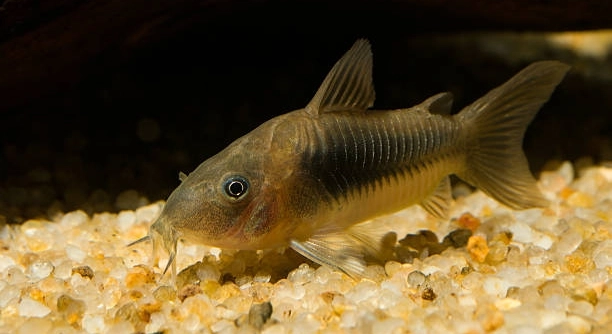
Are your Corydoras catfish not as active or healthy as they used to be? You might be missing a few important care steps.
The best way to reduce the risk of disease in Corydoras catfish is by maintaining clean water, feeding a balanced diet, and avoiding overcrowding. These factors play a key role in supporting their immune health and overall well-being.
Caring for your Corydoras properly can prevent health problems and keep them thriving in your tank for years to come.
Keep the Water Clean and Stable
A clean and stable tank environment is one of the most important parts of Corydoras care. Dirty water causes stress and weakens their immune system, making them more likely to get sick. Change 25% to 30% of the tank water every week. Use a gravel vacuum to remove waste and leftover food from the substrate, since Corydoras spend a lot of time at the bottom. Always dechlorinate tap water before adding it. Test water regularly to make sure ammonia and nitrite levels are at zero and nitrate stays under 20 ppm. Keep the temperature between 72°F and 78°F, and avoid sudden shifts. A good filter helps maintain water quality, but don’t rely on it alone—regular maintenance is still necessary.
Corydoras are sensitive to poor water conditions, so keeping the tank clean protects them from unnecessary stress and disease.
Consistency with water changes helps support their long-term health and keeps your tank in balance.
Avoid Overcrowding the Tank
Too many fish in one tank increases waste, raises stress levels, and lowers oxygen—all of which weaken your Corydoras’ ability to stay healthy.
Overcrowding can lead to territorial behavior, poor water quality, and faster disease spread. Corydoras prefer peaceful environments and do best in a calm, well-spaced tank. A good rule is one inch of fish per gallon of water, but with bottom-dwellers like Corydoras, space to move and dig is just as important. Make sure they have enough room to swim and forage freely. Aim for soft, sandy substrate, and include hiding spots like caves or plants to help them feel secure. Also, keep in mind that Corydoras are schooling fish and should be kept in groups of six or more. Just make sure the tank size matches the number of fish. Overcrowding disrupts the balance of the tank and can quickly turn into a health problem if not managed carefully.
Quarantine New Fish Before Adding
New fish can carry parasites or infections, even if they look healthy. Quarantining gives you time to observe them and treat any problems before they spread to your main tank.
Set up a separate tank for quarantine with basic filtration and a heater. Keep the water clean and stable. Watch for signs like clamped fins, white spots, or rapid breathing. A quarantine period should last at least two weeks, but four is better. Use this time to treat common issues like ich or internal parasites if symptoms appear. If all looks clear, introduce the fish gradually to avoid shocking their system. This extra step helps protect your Corydoras and keeps your established tank healthy. It also prevents introducing problems that could be hard to fix later. Don’t rush the process—keeping your main tank stable is more important than filling it quickly.
Skipping quarantine increases the risk of an outbreak in your tank. Even one sick fish can affect your entire setup. It’s easier to treat one fish alone than several in a shared environment. This practice saves you time and stress, and it keeps your fish safe in the long run. Always quarantine, even with fish from trusted sources.
Feed a Balanced and Varied Diet
A varied diet helps Corydoras stay active and resistant to disease. They need more than just sinking pellets to meet their nutritional needs.
Corydoras do well with sinking wafers as a base, but it’s important to include frozen or live foods like bloodworms, brine shrimp, or daphnia once or twice a week. These protein-rich options boost their immune system and support natural behaviors like foraging. You can also include blanched vegetables like zucchini for variety. Feed them once or twice a day, giving only what they can finish in a few minutes. Remove uneaten food to avoid fouling the water. A consistent feeding routine keeps your Corydoras in good shape and reduces the chance of digestive issues.
Feeding the same food every day can lead to nutritional gaps and boredom. Variety ensures they get enough protein, vitamins, and minerals to stay strong. Mixing food types also encourages them to stay active and interact more with their surroundings. When they eat well, you’ll notice brighter colors, smoother movement, and better overall condition. Balanced nutrition is a small change that makes a big difference in how well your Corydoras handle stress and disease. Rotate their diet regularly and watch how it improves their behavior and health.
Avoid Sharp or Rough Decorations
Corydoras have delicate barbels that can be damaged by sharp gravel or rough tank décor. Injuries from these surfaces can lead to infection and stress, both of which lower their resistance to disease.
Use smooth stones, soft plants, and fine sand as substrate. Avoid jagged rocks or rough ceramic pieces.
Maintain Good Tank Oxygen Levels
Low oxygen levels can stress your Corydoras and increase their risk of illness. These fish are bottom-dwellers but still rely on well-oxygenated water. Poor water movement or high temperatures can lower oxygen levels quickly. Use a filter that creates surface agitation or add an air stone to help keep oxygen levels up. Live plants also help with oxygenation, especially during the day. Monitor fish behavior—if they start frequently swimming to the surface for air, it could signal a problem. Regular maintenance, proper stocking, and clean water all contribute to steady oxygen levels that help your Corydoras stay healthy and comfortable.
Limit Stressful Tank Activity
Too much noise or movement outside the tank can startle your Corydoras. Keep their environment calm and place the tank somewhere quiet.
FAQ
What are the signs that my Corydoras catfish is sick?
Look for changes in behavior, such as lethargy or lack of appetite. If they stay hidden more than usual or appear sluggish, it could signal a problem. Physical signs like faded coloring, frayed fins, or white spots on the skin are often signs of disease. You may also notice labored breathing or unusual swimming patterns, such as swimming near the surface. If any of these symptoms appear, act quickly to assess water quality and consider isolating the affected fish for treatment.
How often should I feed my Corydoras catfish?
Corydoras should be fed once or twice a day. Only offer what they can eat within 2-3 minutes to avoid leftover food sinking to the bottom and affecting water quality. Overfeeding can lead to health problems like bloating or poor water quality. Adjust the amount based on their needs and the type of food provided. Make sure their diet is varied, including sinking pellets, live or frozen foods, and some plant matter.
Can Corydoras eat live food?
Yes, Corydoras can eat live food like brine shrimp, daphnia, and bloodworms. These foods are high in protein and beneficial for their health. Live food encourages natural hunting behavior and provides excellent nutrition, especially when fed as a treat or supplement to their regular diet. However, ensure the live food is from a clean source to avoid introducing parasites or contaminants into the tank.
What is the best substrate for Corydoras catfish?
Corydoras prefer soft, fine sand as substrate. This allows them to forage and dig around without damaging their sensitive barbels. Avoid sharp gravel, as it can injure their barbels or fins. Fine sand mimics their natural environment and is safer for them. It also helps with water movement and reduces waste buildup in the tank.
How many Corydoras should I keep together?
Corydoras are schooling fish, so they do best in groups. A group of at least 6 is ideal, but more can be even better. Keeping them in a group reduces stress and helps them feel more secure. In larger groups, they are more active and comfortable, which promotes better health.
Can Corydoras live with other fish?
Yes, Corydoras are peaceful fish and generally get along well with most other species, particularly small, non-aggressive fish. Avoid keeping them with overly aggressive or fin-nipping species. Also, make sure the other tankmates are not too large, as Corydoras are small and could be intimidated by larger fish. Fish that stay at the top or middle of the tank, like tetras or guppies, are good companions for Corydoras.
What water conditions are best for Corydoras?
Corydoras thrive in water with a temperature between 72°F and 78°F (22°C – 26°C). The pH should be slightly acidic to neutral, ranging from 6.0 to 7.5. Water hardness should be soft to moderately hard. Consistent water conditions are key, as drastic changes can stress the fish. Regular water changes and monitoring water parameters are essential to maintaining their health.
How can I prevent disease in Corydoras?
Maintaining good water quality is the best way to prevent disease. This includes regular water changes, proper filtration, and keeping the tank clean. Avoid overcrowding and provide a varied diet to support their immune system. Quarantine new fish before adding them to the main tank to prevent introducing diseases. Keeping the tank stress-free with proper lighting, temperature, and space will also help reduce disease risk.
Do Corydoras need a filter?
Yes, Corydoras need a filter to keep the water clean and oxygenated. They are bottom dwellers and rely on good water quality to stay healthy. A filter that provides gentle water movement is ideal. Corydoras prefer a calm environment, so avoid strong currents that can stress them. Regular maintenance of the filter and tank is also necessary to prevent buildup of waste.
Can Corydoras be kept in a tank with strong currents?
No, Corydoras prefer slow-moving water and do not do well in strong currents. Strong water flow can cause stress, making them less active and potentially affecting their health. Use a filter that provides gentle flow, or add plants and rocks to break the current and create calmer areas in the tank for the fish.
How do I treat common diseases in Corydoras?
Treatment depends on the disease, but the first step is isolating any affected fish to prevent the spread. Common diseases include ich (white spots), fin rot, and internal parasites. For ich, use a temperature increase or medicated treatment. For fin rot, improve water quality and use antibiotics. Always research the specific symptoms and treatment methods for the disease to ensure proper care. If in doubt, consult a veterinarian who specializes in fish health.
How long do Corydoras live?
Corydoras catfish typically live for 5 to 7 years, though some may live longer with proper care. Their lifespan depends on factors like water quality, diet, and stress levels. Ensuring they are kept in a stable, stress-free environment with a balanced diet can help them live a long and healthy life.
Can Corydoras live with plants?
Yes, Corydoras can live with plants. In fact, plants help create a more natural and secure environment for them. Live plants can provide hiding places, reduce stress, and help with water quality by absorbing excess nutrients. Be sure to choose plants that can tolerate the water conditions your Corydoras need.
Final Thoughts
Corydoras catfish are relatively easy to care for as long as you maintain stable water conditions and provide a peaceful environment. Their hardy nature makes them suitable for beginner aquarium keepers, but they still require attention to detail. Regular maintenance of water quality is essential for preventing illness and promoting their overall health. Keeping them in a well-maintained tank with clean water, proper filtration, and the right temperature will ensure they thrive.
A varied and balanced diet is also key to keeping Corydoras healthy. Providing them with sinking pellets, occasional live or frozen foods, and some plant matter can support their growth and immune system. Overfeeding can lead to water quality problems, so always be mindful of portion sizes. A good feeding schedule will keep them active and healthy while minimizing waste accumulation in the tank. In addition, avoid overstocking the tank, as crowded conditions can create stress and increase the likelihood of disease outbreaks.
Corydoras catfish are social creatures that benefit from being kept in groups. Having at least six in a tank will help them feel more secure and reduce stress. They are generally peaceful and can live with many other types of fish, as long as those tankmates are compatible. While they do not require excessive attention, creating a calm environment and providing the proper care will help them lead long, healthy lives. By following these guidelines, you’ll be able to keep your Corydoras catfish happy and disease-free for years to come.

Hello,
If you enjoy the content that we create, please consider saying a "Thank You!" by leaving a tip.
Every little bit helps us continue crafting quality advice that supports the health, happiness, and well-being of pets around the world, for pets of all shapes, sizes, and species.
We really appreciate the kindness and support that you show us!