
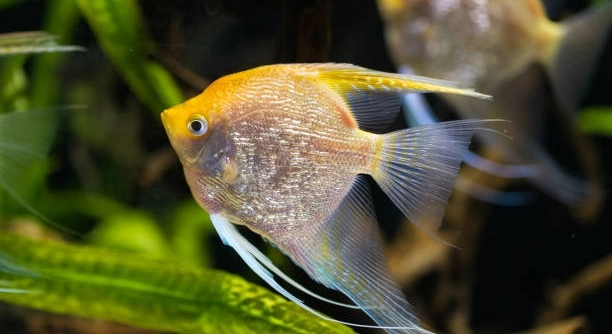
Angelfish are beautiful creatures, but maintaining their health can be tricky, especially when it comes to water changes. These regular maintenance tasks can sometimes cause stress for your fish. Knowing how to minimize that stress is key to their well-being.
To reduce stress for your angelfish during water changes, it’s important to use gentle techniques that avoid sudden changes in their environment. Slow, steady water replacement, consistent temperature control, and minimizing disturbance can significantly help keep them calm.
By following these steps, you can ensure that your angelfish remain healthy and stress-free, even during routine maintenance. Keep reading to learn effective ways to protect them during water changes.
1. Use a Slow Water Change Method
One of the best ways to reduce stress for angelfish during water changes is to use a slow water change method. Rather than changing a large portion of water at once, aim to replace about 10-20% of the tank’s water every few days. This gradual method prevents any sudden shifts in water parameters that could overwhelm your angelfish. It gives them time to adjust, making them feel safer and more at ease. You should also keep an eye on the tank’s filtration system to ensure it runs smoothly, avoiding any interruptions. A slow water change reduces the impact on both the fish and the ecosystem in the tank, allowing them to stay calm throughout the process.
This technique also ensures that the water conditions stay consistent, which is essential for your angelfish’s health. Changes that are too rapid can throw off the balance of temperature, pH, and hardness, leading to unnecessary stress.
A slow water change also helps keep your tank cleaner and more stable. Frequent smaller changes allow you to manage the quality of the water effectively without overwhelming the fish with sudden shifts.
2. Maintain Consistent Temperature
The temperature of the water can make a big difference when performing water changes. Angelfish are tropical fish, and they thrive in warmer water, usually between 76°F to 82°F. If the new water being added is much cooler or hotter than the tank’s temperature, it can cause shock, leading to stress or even illness. Before doing a water change, always check the temperature of the replacement water and adjust it to match the tank’s temperature as closely as possible.
Keeping the temperature stable reduces the risk of thermal stress and helps keep your angelfish comfortable. It’s important to use a thermometer to monitor both the tank and the new water before starting.
Make sure to also monitor the tank’s heater regularly. A malfunctioning heater can cause temperature fluctuations, which can stress out your fish, especially during water changes. To avoid this, check the temperature before adding new water and adjust it gradually. Keeping a steady temperature will help keep your angelfish calm during water changes and improve their overall health.
3. Minimize Disturbance
Avoid creating too much noise or movement when performing a water change. Sudden sounds or quick movements can startle your angelfish and cause stress. Try to move slowly and calmly, especially near the tank. Using a siphon to remove water gradually can also help maintain a peaceful atmosphere.
Also, avoid placing your hands in the tank too often. Angelfish are sensitive to changes in their environment, and unnecessary handling can disrupt their comfort. If you need to move items or clean decorations, do so gently. This approach helps prevent anxiety and keeps your fish relaxed.
By minimizing disturbance during water changes, your angelfish will be able to adjust to the task without getting stressed. A calm environment makes it easier for them to adapt to the changes, ensuring they remain healthy and stable throughout the process.
4. Use Water Conditioners
Water conditioners are essential for treating tap water before it enters your tank. These products help neutralize chlorine, chloramines, and other harmful chemicals found in tap water. Adding a conditioner to your water ensures that your angelfish are not exposed to harmful substances, which could lead to stress or illness.
It’s important to use a water conditioner designed for fish tanks, as the wrong type could introduce additional chemicals or toxins. Follow the product’s instructions carefully for the best results, making sure the amount you use matches the volume of water you’re changing.
Water conditioners can also help with pH balance and soften water. If your tap water has an extreme pH or hardness, water conditioners can stabilize these factors, creating a more comfortable environment for your angelfish. This stability will make water changes less stressful for your fish, helping them feel more at home.
5. Avoid Overcrowding the Tank
Overcrowding can create stress for angelfish, especially during water changes. Too many fish in a small tank can make it harder to maintain stable water conditions, which leads to a more stressful environment. Make sure your tank size is appropriate for the number of fish you have.
If you have a larger group of angelfish, it’s a good idea to perform water changes more frequently. This helps manage waste levels and keeps the tank clean without overwhelming the system. Properly spacing out your fish allows each one to have enough room to thrive.
When performing water changes, overcrowding can cause fish to become more anxious. Providing plenty of space for your angelfish will reduce their stress and allow for smoother transitions during cleaning.
6. Keep the Filter Running
Always ensure the filter is running during water changes. The filter helps maintain the water’s clarity and removes debris, reducing the amount of work you need to do manually. A working filter ensures your tank remains stable, even when you’re changing water.
The filter also helps regulate the tank’s biological balance by removing waste products from your fish. This keeps the water quality high and reduces stress during water changes, allowing the fish to stay comfortable in a clean, healthy environment.
A consistent filtration system will make your tank less prone to harmful buildups that could negatively affect your angelfish’s health. Without it, you might face an increased risk of water quality issues that can stress your fish.
7. Avoid Sudden Light Changes
Sudden light changes can stress your angelfish during water changes. Bright lights or sudden dimming can startle them and cause anxiety. Try to maintain consistent lighting before, during, and after the water change.
Keeping the lighting steady allows your angelfish to feel secure in their environment. Fish are sensitive to light, and sudden shifts can disorient or disturb them. Consider dimming the lights gradually to help your fish adjust.
FAQ
How often should I change the water in my angelfish tank?
Changing the water in your angelfish tank depends on the tank size, the number of fish, and the filtration system. As a general rule, you should aim to change 10-20% of the water every week. For tanks with a high fish load, more frequent changes may be necessary to maintain water quality. Smaller tanks typically require more regular maintenance due to limited water volume. In larger tanks with robust filtration, water changes can be spaced out a bit further. Consistent smaller changes help keep the environment stable, which is less stressful for your angelfish.
Can I change all the water at once?
It’s not advisable to change all the water at once. Sudden changes in water parameters, such as temperature, pH, and hardness, can overwhelm your angelfish and cause stress. If you need to replace a large amount of water, it’s best to do it gradually over several days. This allows the fish to adjust to the new conditions without being exposed to abrupt shifts that could negatively impact their health. Slow and steady changes are much easier on your angelfish.
Should I use a water conditioner during every water change?
Yes, it’s important to use a water conditioner with every water change, even if you’re just changing a small amount. Tap water often contains chlorine, chloramines, and other chemicals that are harmful to fish. A water conditioner neutralizes these substances, making the water safe for your angelfish. It’s best to use a conditioner designed for aquarium use and follow the instructions on the packaging to ensure proper dosing. Regular use of a water conditioner ensures a stable and safe environment for your fish.
How do I know if the water temperature is right for my angelfish?
Angelfish thrive in water temperatures between 76°F and 82°F (24°C to 28°C). To keep your fish comfortable, it’s crucial to monitor the water temperature regularly. A reliable aquarium thermometer is essential to track fluctuations. If the water is too cold or too warm, your angelfish could become stressed, which can lead to health problems. If the temperature is outside the ideal range, adjust it slowly using a tank heater. Avoid making sudden changes in temperature, as this can be harmful to the fish.
Is it safe to clean the tank decorations during water changes?
Yes, cleaning the tank decorations is fine, but it should be done carefully. Some decorations can trap waste or algae buildup, which may impact water quality. However, try to avoid cleaning all decorations at once. Clean one or two at a time to prevent too much disruption in the tank. Use a soft brush or sponge to clean them gently. Avoid using any harsh chemicals, as these could harm your fish. It’s a good idea to clean decorations during regular water changes to maintain a healthy tank environment.
Can overfeeding my angelfish lead to stress during water changes?
Yes, overfeeding can lead to water quality issues, which can cause stress for your angelfish. When excess food is left uneaten, it decays and contributes to poor water quality. This increases the amount of waste in the tank, making it harder to maintain clean water. The poor water quality may lead to a buildup of ammonia, nitrites, or nitrates, which can harm your fish and cause stress. Always feed your angelfish only what they can eat within a few minutes to avoid overfeeding and ensure the water stays clean.
Should I turn off the filter during water changes?
It’s usually best to leave the filter running during water changes. The filter helps to maintain the overall water quality by removing debris and waste, and keeping it on allows it to continue performing this function. If you turn the filter off, you may risk disturbing the biological balance in the tank. However, if you’re doing a major cleaning of the filter itself, you can briefly turn it off, but ensure it’s running again as soon as possible after the water change.
Why is my angelfish behaving strangely after a water change?
Strange behavior after a water change can be caused by several factors. If the water temperature, pH, or other parameters changed too quickly, it could stress your fish. Other factors include exposure to chlorine or chloramines in untreated tap water or sudden shifts in water hardness. It’s important to check the water conditions before and after the change to ensure they are consistent. If you notice your angelfish acting strange, check the water parameters and make adjustments if needed. Additionally, if there was any disturbance or cleaning near the tank, this could also contribute to their stress.
Can stress from water changes affect the health of my angelfish?
Yes, stress from water changes can have a negative impact on the health of your angelfish. Prolonged stress can weaken their immune system, making them more susceptible to disease and infections. In some cases, stress can also cause your angelfish to stop eating or exhibit abnormal behavior, which can further affect their health. To minimize stress, always perform water changes slowly, keep the temperature stable, and avoid sudden disruptions. If you’re concerned about the effect water changes might be having on your fish, take a closer look at your maintenance routine and adjust accordingly.
How can I tell if my angelfish are stressed during a water change?
Angelfish that are stressed during water changes may exhibit a variety of signs. Common behaviors include rapid swimming, hiding more than usual, or staying near the surface. They may also show a lack of appetite or appear disoriented. If you notice any of these signs, it’s a good idea to check the water parameters, ensure the temperature is stable, and avoid disturbing the tank too much during future changes. Reducing stress can improve your angelfish’s overall health and comfort.
Final Thoughts
Maintaining a healthy and stress-free environment for your angelfish during water changes doesn’t require major effort, but it does need attention to detail. The most important thing to remember is that consistency is key. By ensuring a gradual water change, controlling the water temperature, and minimizing disturbances, you can help your angelfish feel secure. These practices prevent sudden changes that could cause your fish to become stressed or disoriented. Keeping the water quality stable is essential for your fish’s health and comfort.
It’s also important to check on other aspects of your tank’s environment. Proper filtration is crucial, as it helps keep the water clean and removes excess waste. Overcrowding can lead to more frequent water changes and increase stress during the process. Make sure your tank is adequately sized for the number of fish it houses. Avoid overfeeding, as excess food can lead to waste that deteriorates water quality. A well-maintained tank will reduce the amount of stress your fish experience and create a more comfortable living space.
Lastly, while water changes are a regular part of aquarium maintenance, they should be done with care. By taking the time to check water conditions, keep the filter running, and avoid sudden shifts, you ensure that your angelfish thrive in their environment. With these simple adjustments, you can reduce the negative effects of water changes and create a healthier, happier home for your fish. Keeping things calm and steady not only benefits your angelfish during water changes but helps them stay healthy in the long term.

Hello,
If you enjoy the content that we create, please consider saying a "Thank You!" by leaving a tip.
Every little bit helps us continue crafting quality advice that supports the health, happiness, and well-being of pets around the world, for pets of all shapes, sizes, and species.
We really appreciate the kindness and support that you show us!