
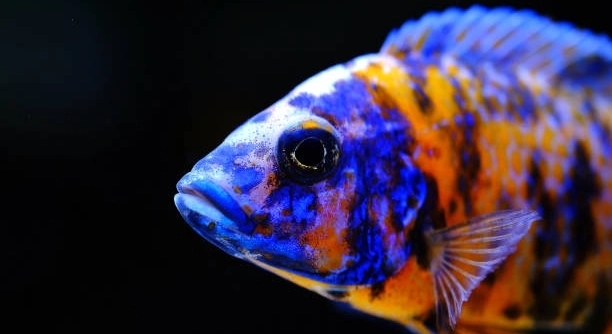
Do your cichlids often seem restless or hide more than usual when the tank light is on? Many aquarists notice their fish becoming stressed under strong or prolonged lighting conditions in the aquarium.
Excessive or poorly timed lighting can significantly impact cichlid behavior and health. Adjusting light duration, intensity, and placement reduces stress, promotes natural activity patterns, and supports proper physiological functioning for a balanced aquatic environment.
Managing tank lighting effectively can improve your cichlids’ well-being, and the following strategies provide practical guidance to create a calmer, healthier aquarium.
Adjust Light Duration
Cichlids are highly sensitive to how long their tank lights are on. Too much exposure can trigger stress, causing them to hide, lose appetite, or act aggressively toward tank mates. A consistent light schedule helps mimic their natural day-night cycle. Gradually reduce lighting if your fish show signs of discomfort. Using a timer ensures lights turn on and off at the same time daily, preventing sudden changes that can disturb their rhythm. Observing behavior during different lighting periods helps identify the optimal duration for your tank. Some cichlids prefer dimmer lighting, especially in tanks with strong colors or reflective substrates. Adjusting both duration and intensity supports natural behaviors such as feeding, swimming, and resting. It also helps reduce algae growth, which can worsen stress if the environment feels crowded or overrun. Regularly checking light levels and adjusting gradually provides a more stable habitat for your fish. Over time, these changes can improve overall health and reduce anxiety.
Even a small change in lighting duration can make your cichlids more relaxed and active.
A controlled lighting schedule not only reduces stress but also promotes healthier behaviors. Fish become more predictable in their activity, feeding patterns stabilize, and aggression diminishes. Observing responses to adjustments ensures the tank remains comfortable without overexposing the fish to bright or prolonged light. Combining duration changes with other environmental improvements enhances their habitat.
Provide Hiding Spaces
Hiding spaces in a tank give cichlids a sense of security. Rocks, plants, and caves allow them to retreat when stressed or threatened.
Cichlids naturally seek shelter to feel safe, reducing stress-related behaviors such as constant swimming or fin nipping. Providing multiple hiding spots throughout the aquarium ensures each fish has access to cover without conflict. Varying the types of shelters, like tall plants for vertical coverage and caves for deeper retreats, encourages natural exploration and territorial behaviors. Properly arranged hiding spaces can also break sightlines between aggressive fish, minimizing confrontations. Using materials safe for aquariums prevents injuries while maintaining a natural aesthetic. Observing how fish use these spaces can guide further adjustments. Hiding spots are especially important for new fish acclimating to a tank or during breeding periods when territorial disputes increase. By prioritizing secure areas, cichlids exhibit calmer swimming patterns and are less likely to injure themselves or others, contributing to long-term health and reduced stress levels in the aquarium.
Use Dimmer or Adjustable Lighting
Lowering light intensity can immediately reduce stress in cichlids. Strong lights often make them hide or act skittish. Adjustable fixtures allow fine-tuning based on fish behavior and tank conditions.
Dim lighting creates a calmer environment, helping cichlids feel secure. Many species thrive under soft, indirect light, especially those from shaded or rocky habitats. Adjusting brightness gradually prevents sudden stress and allows fish to adapt naturally. Combining dimmer lights with hiding spots improves comfort, encouraging normal swimming and feeding patterns. Observing responses during adjustments ensures that lighting supports their well-being without compromising visibility for maintenance or viewing. Over time, the fish appear more relaxed and active.
Using dimmable lights also benefits tank aesthetics. It reduces glare on decorations and substrate while highlighting natural colors subtly. Adjustable lighting can simulate dawn and dusk, helping establish a natural rhythm. For tanks with multiple species, dimming can reduce aggressive interactions triggered by bright light exposure. Careful control of intensity ensures fish are not overstimulated while maintaining a visually pleasing aquarium. Balancing light levels with habitat features creates a stable, stress-free environment where cichlids display natural behaviors consistently.
Create Natural Shade Zones
Shade zones offer relief from constant bright light, allowing cichlids to rest or explore at their own pace. Plants, rocks, and driftwood help form these shaded areas naturally.
Natural shade provides fish with spaces to avoid overexposure and lowers stress hormone levels. Vertical plants and floating vegetation can filter light while adding texture and cover. Cichlids feel more secure when they have areas to retreat from dominant fish or aggressive neighbors. Shade zones also encourage territorial behaviors without forcing conflict, giving each fish control over its environment. Combining shaded regions with open swimming areas balances activity and relaxation. Observing fish preferences helps place shade strategically, ensuring even timid individuals can access it.
Creating shade zones improves overall tank harmony. Fish that previously hid constantly may begin exploring and feeding more confidently. Shaded areas reduce visual stress caused by reflective surfaces or direct lighting, keeping color patterns vibrant without overstimulation. Using natural materials maintains a realistic habitat, supporting instincts like foraging, hiding, and breeding. Careful placement ensures every fish benefits, reducing crowding and aggressive interactions. Over time, shaded zones contribute to healthier, more predictable behaviors and a calmer, visually appealing aquarium environment.
Maintain Consistent Lighting Schedule
A regular lighting schedule reduces stress by creating predictable day and night cycles. Using a timer ensures lights turn on and off at the same time daily.
Consistency prevents sudden changes that can startle cichlids. Fish adapt better to steady patterns, which supports feeding, swimming, and resting behaviors naturally.
Use Floating Plants
Floating plants diffuse light and create shaded areas, making the tank more comfortable for cichlids. They help control light intensity while adding natural cover.
Avoid Direct Sunlight
Direct sunlight can overheat the tank and create bright spots that stress fish. Position aquariums away from windows to maintain stable conditions.
Gradually Introduce New Lighting
Sudden changes in light can shock cichlids. Slowly increase or decrease light intensity to allow adaptation. Observing fish behavior during transitions ensures they remain calm and active.
How do I know if my cichlids are stressed by tank lights?
Cichlids show stress in several ways when the lighting is too strong or inconsistent. Common signs include hiding frequently, reduced feeding, darting around the tank, or aggression toward tank mates. Faded colors and clamped fins are also indicators of discomfort. Observing your fish during different times of the day can reveal patterns related to light exposure. If stress behaviors appear when lights are on, it’s likely that intensity or duration needs adjustment. Keeping a simple journal of behavior under various lighting conditions can help determine the optimal setup for your tank.
Can too much light cause long-term health problems?
Yes, prolonged exposure to strong light can affect both behavior and physiology. Stress increases cortisol levels, which can weaken the immune system and make cichlids more susceptible to disease. Over time, constant bright light can disrupt natural activity patterns, including feeding and resting schedules. Some species may become less vibrant in color or display stunted growth if stress persists. Properly balancing light intensity and duration ensures a healthier environment, supporting natural behaviors and overall longevity. Regular monitoring and adjustments prevent chronic stress and promote consistent health across all tank inhabitants.
What types of lights are best for reducing stress?
LED lights with adjustable intensity are ideal for cichlid tanks. They allow gradual changes and can mimic natural day-night cycles. Full-spectrum lights that simulate natural sunlight are beneficial but should not be too bright. Avoid direct halogen or fluorescent bulbs that create harsh glare. Adding dimmers or timers helps manage intensity and duration effectively. Floating plants and décor can further soften light, creating natural shade zones. Observing how fish respond to different light setups helps fine-tune the environment. A combination of soft illumination and controlled schedules reduces stress while highlighting natural colors.
How long should the lights be on each day?
A typical schedule is 8 to 10 hours of light per day. This mimics natural daylight cycles and provides enough time for activity without overexposure. Gradually adjust on or off times if introducing new fish or changing lighting intensity. Using timers ensures consistency, which is key to reducing stress. During acclimation periods, slightly shorter lighting may help timid or newly added cichlids feel secure. Observing fish behavior will indicate if the duration is appropriate; restless or hiding fish may benefit from slightly reduced lighting hours.
Will shaded areas or hiding spots really help?
Absolutely. Providing rocks, caves, and plants gives cichlids places to retreat when feeling overwhelmed. Shade zones reduce exposure to strong light and allow fish to rest safely. Multiple hiding spots also reduce territorial aggression, as fish can claim separate areas. Observing which areas fish prefer helps optimize placement. Shaded regions should be balanced with open swimming spaces to encourage normal activity. Over time, these areas contribute to calmer, healthier fish that display natural behaviors more consistently.
Is it necessary to gradually change lighting intensity?
Yes, sudden changes can shock cichlids, causing immediate stress responses like hiding, rapid swimming, or aggression. Gradual adjustments over several days allow fish to adapt. Start with small increases or decreases, monitoring behavior closely. Combining this with a consistent schedule and shaded areas ensures a smoother transition. Gradual changes also help prevent long-term stress and support stable feeding, swimming, and resting habits. This approach is especially important when upgrading lights or introducing new species with different preferences.
Can tank plants help with light-related stress?
Yes, live and floating plants diffuse light, create shade, and improve water quality. Plants mimic natural habitats, giving fish comfort and security. They reduce glare and soften direct illumination, which can calm nervous or aggressive individuals. Strategically placed plants break sightlines, minimizing confrontations between territorial fish. Observing plant use helps determine the most effective arrangement. Over time, plants enhance the tank’s stability, support natural behaviors, and contribute to long-term stress reduction.
Do different cichlid species react differently to light?
Yes, species from rocky or shaded environments generally prefer softer light, while open-water species tolerate brighter conditions. Observing species-specific behaviors is essential when setting intensity and duration. Combining shaded areas, dimmable lights, and gradual changes accommodates multiple species in one tank. Understanding these preferences ensures all fish feel secure, active, and healthy. Adjustments should consider both individual and group behaviors to create a balanced environment that reduces stress for everyone.
Are there signs that lighting adjustments are working?
Positive changes include increased swimming activity, normal feeding, brighter colors, and reduced hiding or aggression. Fish become more predictable and display natural social behaviors. Observing over several days or weeks helps confirm improvements. Maintaining consistent lighting schedules alongside hiding spaces, shade zones, and dimmable lights ensures lasting results. Continuous monitoring allows for small adjustments as needed, promoting long-term health and reducing stress in the aquarium.
Can stress from lighting affect breeding?
Yes, stressed cichlids may delay spawning, abandon eggs, or show aggression toward mates. Stable, comfortable lighting promotes natural reproductive behaviors. Providing gradual light changes, shaded areas, and appropriate hiding spots encourages safer breeding conditions. Fish feel secure, reducing the risk of egg predation or territorial disputes. Observing how stress indicators shift after lighting adjustments ensures the environment supports successful reproduction and healthy fry development.
Maintaining a calm and healthy environment for cichlids requires careful attention to tank lighting. Stress caused by excessive or poorly managed light can affect behavior, appetite, and overall health. Adjusting the duration and intensity of lighting, providing shaded areas, and using timers or dimmable fixtures are practical steps that directly reduce stress. Consistency is important because sudden changes in light can startle the fish and trigger defensive behaviors. Observing your cichlids regularly allows you to identify signs of discomfort early, giving you the opportunity to make small adjustments before problems become more serious. Even minor changes, like shifting a light slightly or adding floating plants, can create a calmer environment and improve their overall well-being.
Providing natural hiding spots and shade zones is equally important. Cichlids instinctively seek areas where they feel safe, and having rocks, caves, and plants throughout the tank gives them options to retreat when they feel threatened or stressed. These spaces not only reduce anxiety but also encourage natural behaviors such as exploring, establishing territories, and resting without interference from other fish. When arranging the tank, it is helpful to observe which areas the fish use most and adjust the placement of shelters accordingly. Over time, these adjustments create a more balanced tank environment, where fish feel secure and active, and aggression is minimized. By combining controlled lighting with carefully positioned shelters, the overall atmosphere of the aquarium becomes more stable and comfortable for all inhabitants.
Lighting management should be paired with consistent observation and gradual changes. Sudden increases or decreases in brightness can shock cichlids, so small adjustments are preferable. Timers help maintain a predictable day-night cycle, and using dimmable lights allows fine-tuning based on fish behavior. Additionally, adding floating or tall plants helps diffuse light and creates natural shaded areas, supporting comfort and reducing visual stress. Different species may react differently to light, so paying attention to their specific needs is essential. Over time, implementing these strategies results in a healthier, calmer, and more active tank. Focusing on these factors ensures that cichlids can live in an environment that closely matches their natural habitat, promoting both their physical health and mental well-being.

Hello,
If you enjoy the content that we create, please consider saying a "Thank You!" by leaving a tip.
Every little bit helps us continue crafting quality advice that supports the health, happiness, and well-being of pets around the world, for pets of all shapes, sizes, and species.
We really appreciate the kindness and support that you show us!