
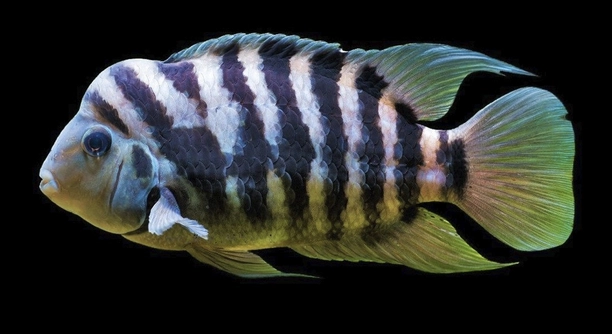
Are your fish tanks often disturbed by aggressive behavior among the inhabitants? Aggression in aquarium tanks can be stressful for both fish and owners. Many seek natural ways to calm their aquatic pets without harsh chemicals or drastic changes.
Reducing tank aggression naturally involves adjusting the environment and care routines to meet the fish’s needs. Providing proper space, hiding spots, balanced diet, and compatible tank mates helps create a peaceful habitat and lowers stress-induced aggression.
These simple changes can make a big difference in your tank’s harmony. Let’s explore practical steps that promote a calmer, healthier aquarium environment for your fish.
Provide Plenty of Hiding Places
Fish feel safer and less stressed when they have places to hide. Adding plants, rocks, or decorations creates safe spots for shy or aggressive fish to retreat. These hiding spots reduce tension by breaking up the line of sight between fish that may otherwise chase each other. Natural decorations like driftwood or caves work well. Live plants not only look nice but also improve water quality, which helps fish stay healthy and calm. Avoid overcrowding the tank with too many decorations, as fish still need space to swim freely. A balanced environment with enough hiding spots supports peaceful interactions and reduces aggressive behavior naturally.
Having these retreats in the tank is one of the easiest ways to lower aggression and keep fish comfortable. It makes the tank feel more like their natural home and less stressful.
Hiding places also give weaker fish a chance to avoid conflict. When all fish feel safe, aggression drops significantly.
Keep Compatible Tank Mates
Choosing fish that get along well is key to a peaceful aquarium. Aggressive behavior often arises when fish with very different temperaments or needs are put together. Some species are naturally territorial, while others are more social and calm. Mixing these types without care can lead to constant fights and stress. Research the behavior and size of fish before adding them to your tank. Avoid putting large or aggressive species with small or timid ones. Also, keep groups of social fish together to reduce loneliness and competition. Proper tank mate selection prevents many common aggression problems and makes caring for your fish easier.
When fish are compatible, they focus more on swimming and less on fighting. This creates a balanced tank where all can thrive.
It’s important to consider each species’ behavior, size, and space needs before combining them. For example, peaceful community fish like tetras do well with other small, calm species but not with large cichlids known for their aggression. Also, some fish are schooling species and need to be kept in groups to feel secure, which reduces their stress and aggressive tendencies. Keeping incompatible fish together often leads to bullying or chasing, which harms weaker fish and upsets the tank’s harmony. Taking time to research and plan your tank’s inhabitants based on their natural behavior helps create a calm environment. This approach prevents many problems before they start and makes the tank more enjoyable for both fish and owner.
Maintain Proper Tank Size
A tank that is too small causes stress and aggression among fish. Crowded conditions increase competition for space, leading to fights. Providing enough room allows fish to establish territories without constant conflict.
Proper tank size depends on the fish species and their adult size. Overcrowding disrupts natural behavior and causes frustration. Larger tanks offer better water quality and reduce stress.
When fish have enough space, they swim freely and avoid constant contact. This reduces aggression and supports healthy growth. Choosing an adequately sized tank prevents many behavior problems before they start.
Keep Water Conditions Stable
Fish are sensitive to changes in water quality. Sudden shifts in temperature, pH, or ammonia levels cause stress and increase aggression. Regular testing and maintenance are essential.
Stable water conditions create a healthy environment that supports calm behavior. Proper filtration and regular water changes keep harmful chemicals low.
Unstable water encourages fish to compete for limited resources, increasing territorial disputes. Monitoring and adjusting water parameters helps avoid these issues. Consistency is key to reducing tank aggression naturally.
Feed a Balanced Diet
Feeding fish the right amount and type of food helps reduce aggression. Hungry fish tend to compete more aggressively for food. A balanced diet keeps them healthy and less stressed.
Regular feeding schedules prevent sudden hunger-driven fights. Avoid overfeeding, which can harm water quality and fish health.
Rearrange Tank Decorations
Changing the layout of plants and decorations can break established territories. This disrupts aggressive patterns and gives fish a chance to reset their behavior.
Rearranging the tank creates new spaces and hiding spots. It helps reduce stress and tension among fish.
Avoid Overcrowding
Too many fish in one tank cause stress and increased aggression. Overcrowding limits space for each fish to claim its own territory. This often results in frequent chasing and fighting.
Maintaining a proper fish population suited to tank size helps keep peace and reduces aggressive behavior.
What causes tank aggression in fish?
Tank aggression often comes from competition for space, food, or mates. Stress from overcrowding or poor water conditions can also trigger aggressive behavior. Some fish species are naturally territorial, so they defend their area against others. When the tank lacks hiding spots or compatible companions, aggression is more likely to appear.
How can I tell if fish aggression is a problem?
Signs include frequent chasing, biting, or nipping at other fish. You may see damaged fins, missing scales, or fish hiding more than usual. Aggressive fish may constantly patrol and attack others, causing stress and injury. If you notice these behaviors often, it’s time to take action.
Can changing the tank setup really reduce aggression?
Yes, rearranging plants, rocks, and decorations can disrupt established territories. This forces fish to explore and claim new spaces, reducing constant fighting. Adding more hiding spots helps shy fish escape and lowers tension. A refreshed environment can calm aggressive tendencies.
Is diet linked to aggression in fish?
Hunger can increase competition and fighting. Feeding fish a balanced diet on a regular schedule keeps them healthy and less likely to be aggressive over food. Avoid overfeeding, as it can harm water quality, indirectly causing stress and fights.
Are some fish species more aggressive than others?
Absolutely. Species like cichlids are known for territorial behavior, while others like tetras are peaceful. Mixing aggressive fish with calm species often leads to bullying. Knowing your fish’s temperament before combining them is essential to reduce conflicts.
How important is tank size in managing aggression?
Tank size is very important. Crowded tanks force fish into close contact, increasing stress and fights. Larger tanks give fish room to establish their own territories and avoid constant confrontation. Always choose a tank size suitable for your fish’s adult size and activity level.
Does water quality affect fish aggression?
Poor water quality stresses fish and makes them more prone to aggression. Fluctuations in temperature, pH, or high ammonia levels create discomfort. Keeping water parameters stable with proper filtration and regular maintenance supports calm and healthy fish.
Can adding more fish reduce aggression?
Adding more fish can sometimes help by spreading out aggression if the species is social and schooling. However, overcrowding increases stress and fights. It’s important to know your fish’s behavior and tank capacity before adding more inhabitants.
What role do hiding places play in controlling aggression?
Hiding places give fish a safe spot to retreat, especially shy or weaker ones. This reduces stress and allows fish to avoid constant threats. A well-decorated tank with plants, caves, and rocks helps break sight lines and lowers aggressive interactions.
How often should I rearrange the tank to keep aggression down?
There’s no set rule, but rearranging every few months can help prevent established territories from causing ongoing fights. Avoid doing it too often, as frequent changes can stress fish. Observe your tank and adjust when aggression seems high.
Reducing aggression in your fish tank is important for keeping your fish healthy and happy. Aggressive behavior can cause stress and injury to your fish, which may affect their overall well-being. By making some natural adjustments to your tank setup and care routine, you can create a calmer environment that benefits all your aquatic pets. Small changes like adding hiding places, choosing compatible tank mates, and keeping water conditions stable can make a big difference. These steps not only reduce fights but also help your fish feel more comfortable in their home.
It is important to remember that every fish species has different needs and behaviors. What works for one type of fish may not work for another. Taking the time to learn about your fish’s natural habits and requirements helps you create the best environment for them. Proper tank size, diet, and clean water all play a role in minimizing aggression. Keeping an eye on your fish and their interactions will also let you spot problems early. If aggression does happen, adjusting the tank layout or separating certain fish may be necessary.
Overall, reducing tank aggression naturally takes patience and care. It is not always an instant fix, but consistent attention to your aquarium’s environment will pay off. By making your tank a peaceful place, you encourage healthy behavior and a better quality of life for your fish. This makes watching and caring for your fish more enjoyable, and it helps your aquatic community thrive over time.

Hello,
If you enjoy the content that we create, please consider saying a "Thank You!" by leaving a tip.
Every little bit helps us continue crafting quality advice that supports the health, happiness, and well-being of pets around the world, for pets of all shapes, sizes, and species.
We really appreciate the kindness and support that you show us!