
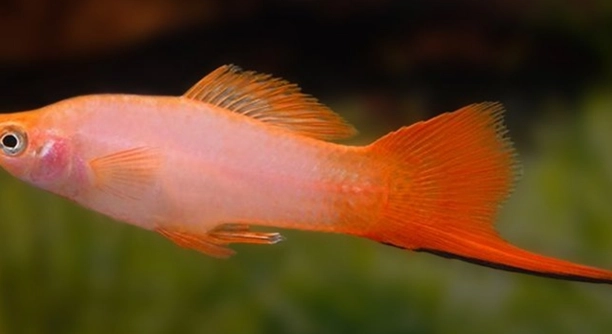
Swordtail fish are lively and beautiful additions to any aquarium, but aggression between them can be a problem. Understanding why this happens and how to prevent it will ensure a harmonious environment for your fish.
Managing aggression in swordtail tanks requires several strategies. Creating a suitable environment, adjusting tank size, providing hiding spots, and maintaining a balanced male-to-female ratio can help reduce aggressive behavior. Consistent water conditions also play an important role in minimizing stress.
These methods will help create a more peaceful environment for your swordtails. Keeping your tank’s dynamics in check ensures both the safety and well-being of all fish involved.
Adjust the Male-to-Female Ratio
One of the main reasons swordtails become aggressive is an imbalanced male-to-female ratio. Males tend to fight each other for dominance, which can result in constant aggression. By having more females than males in the tank, males can focus less on fighting and more on courting. A ratio of about one male to two or three females is ideal.
To further reduce aggression, make sure there’s enough space for the fish to swim freely. Overcrowding leads to stress, which can increase territorial disputes. Larger tanks also help distribute aggression more evenly, preventing one area from becoming a hotspot for fighting. Ensuring the ratio and space are right will keep your swordtails calm.
Even with a proper male-to-female ratio, aggression can still be a problem. If your fish continue to display aggressive behavior despite these adjustments, other factors like tank environment, water quality, and fish temperament should be considered.
Provide Hiding Spots
Swordtails, like many fish, need places to retreat when they feel threatened. Offering hiding spots, such as plants, rocks, or decorations, gives your fish a place to escape. This will reduce stress and aggression.
Providing hiding spots not only helps swordtails cope with aggression but also encourages natural behaviors. They can swim freely while knowing there’s a safe retreat available. It creates a more balanced environment in which they can thrive.
Maintain Stable Water Conditions
Water quality directly affects fish behavior. Swordtails can become stressed if water parameters like temperature, pH, and hardness are inconsistent. Fluctuating conditions can lead to aggression as the fish struggle to adapt. Regular water changes and proper filtration help keep the environment stable.
Swordtails thrive in water temperatures between 72°F and 82°F. Keeping pH levels between 7.0 and 8.0 is ideal. Regularly test the water and ensure the filtration system is working properly to avoid debris buildup and harmful chemicals. Keeping these conditions steady reduces stress, which in turn reduces aggression.
Aggression is often a sign of underlying stress. Inconsistent water conditions not only harm the fish but also increase aggression. A stable, clean environment helps swordtails feel secure, promoting natural, peaceful behavior. Over time, this will lead to a more relaxed and harmonious aquarium for everyone involved.
Ensure Adequate Tank Size
A small tank leads to overcrowding, which is a major cause of aggression. Swordtails need enough room to swim and establish territories. A cramped environment will encourage fighting as fish struggle to find space. Aim for at least 30 gallons for a small group of swordtails.
In larger tanks, swordtails can swim more freely and avoid one another when needed. This creates a more peaceful atmosphere where each fish has its own space. Additionally, larger tanks allow for better filtration and more plants or decorations, further reducing aggression by providing hiding spots. More space helps create a balanced and peaceful community.
Aggressive behavior is more likely when swordtails feel crowded or unable to retreat from one another. In an adequately sized tank, fish are less likely to feel stressed. Providing ample space encourages healthier, happier fish and reduces the chances of fighting. This results in a much more harmonious aquarium.
Add Live Plants to the Tank
Live plants help create a more natural environment and provide hiding spots for swordtails. Plants reduce the feeling of confinement, giving fish areas to retreat when they feel threatened. This lowers stress and helps reduce aggression.
Plants also provide a natural food source for swordtails. They can nibble on algae or plant matter, keeping them occupied and less focused on aggression. Dense plant coverage gives fish the freedom to explore their tank without feeling overcrowded. The more natural the environment, the less likely swordtails are to engage in aggressive behavior.
Adjust Feeding Frequency
Swordtails can become aggressive if they’re hungry or competing for food. Ensure that feeding times are regular and that each fish gets enough to eat. By providing balanced portions, you can prevent unnecessary competition, which leads to aggression.
Feeding your swordtails regularly with appropriate portions can help keep them content and reduce territorial behavior. Inadequate feeding often results in fish fighting over limited food. A steady, balanced diet keeps aggression levels down while promoting a peaceful atmosphere.
FAQ
Why are my swordtails fighting?
Swordtails are naturally territorial, and males can become aggressive, especially when competing for females or space. This behavior is common in smaller tanks where they feel crowded or stressed. Poor water conditions can also contribute to aggression, as fish are more likely to act out when stressed. Providing enough space, hiding spots, and maintaining good water quality can help reduce fighting.
Can I keep male swordtails together without them fighting?
It’s difficult to keep multiple male swordtails together without some level of aggression. Males tend to establish territories and will compete for dominance. To minimize fighting, it’s best to limit the number of males in the tank and maintain a higher ratio of females. Giving them enough space and hiding spots can also help reduce aggressive behavior.
What is the best tank size for swordtails?
Swordtails need plenty of space to swim freely. A minimum of 30 gallons is recommended for a small group of swordtails. Larger tanks are better, especially if you plan to keep multiple males or other species. A bigger tank provides more room for swimming, better filtration, and a more peaceful environment for the fish.
How can I reduce stress in my swordtail tank?
Reducing stress in a swordtail tank involves maintaining stable water conditions, providing adequate space, and offering plenty of hiding spots. Plants and decorations help create a more natural environment. A balanced diet and regular feeding schedule also help prevent competition and aggression. Keeping the water clean and free of toxins is essential to keeping swordtails calm.
Can overfeeding cause aggression in swordtails?
Yes, overfeeding can lead to aggression. When swordtails feel like there’s not enough food, they may become competitive and fight. It’s important to feed swordtails in appropriate portions to ensure they get the right amount of nutrition without encouraging territorial behavior. Overfeeding can also result in poor water quality, which adds to stress and aggression.
How do I know if my swordtails are stressed?
Signs of stress in swordtails include hiding frequently, reduced activity, faded colors, and a lack of appetite. They may also swim erratically or exhibit more aggressive behavior. Stress is often linked to poor water conditions, overcrowding, or aggression from other fish. Monitoring water quality and ensuring a peaceful environment can help reduce stress.
Can I mix swordtails with other fish?
Swordtails can coexist with other peaceful species, but they may become aggressive if housed with overly territorial or aggressive fish. It’s important to choose tankmates that are compatible with swordtails, such as other peaceful livebearers, tetras, or mollies. Avoid species that may stress or provoke swordtails, as this can lead to aggression.
How can I tell if my swordtails are mating or fighting?
Swordtails often show aggression during mating rituals, but the behavior is different from fighting. During mating, males will chase females, but the interactions are usually brief and non-violent. Fighting, on the other hand, tends to involve prolonged chasing, nipping, and displays of dominance. If you notice injuries or persistent aggression, it’s likely fighting.
Should I separate aggressive swordtails?
If aggression persists and affects the overall health of your tank, separating aggressive swordtails may be necessary. This is especially true if they are harming each other or causing stress to other fish. Consider adding more hiding spots or rearranging the tank to disrupt territorial boundaries. In some cases, keeping the aggressor in a separate tank for a short time can help reduce tension.
How can I improve the breeding environment for swordtails?
To encourage breeding, create a comfortable environment with plenty of hiding spots and stable water conditions. Swordtails breed best in a tank with a temperature between 75°F and 80°F. Adding live plants and ensuring a balanced male-to-female ratio will also help. Keep the tank clean and provide nutritious food to keep the fish healthy and ready to reproduce.
Can swordtails be kept with bettas?
Swordtails and bettas do not always get along. Betta fish, especially males, are highly territorial and may attack swordtails, particularly if they are brightly colored or have flowing fins. It’s best to avoid keeping them together in the same tank, as the risk of aggression is high. If you do decide to house them together, ensure there is plenty of space and hiding spots to reduce the chance of conflict.
Why are my swordtail’s fins being nipped?
Nipping behavior can be a sign of aggression or dominance. Swordtails’ fins may be targeted by other tankmates, particularly more aggressive species. To prevent fin nipping, ensure your swordtails are housed with compatible species, provide enough space, and maintain good water conditions. If nipping persists, consider separating the aggressive fish.
How can I tell if my swordtail is male or female?
Male swordtails have longer, more noticeable tails with a sword-like extension, which is where they get their name. Females are generally larger and lack the long tail extension. Additionally, males are more colorful, especially during mating season, while females tend to have a more subdued appearance.
What should I do if my swordtail’s tail is damaged?
If your swordtail’s tail is damaged, ensure that the water quality is high, as poor conditions can slow the healing process. Depending on the extent of the damage, the fish may recover on its own. If the injury is severe, consider isolating the fish in a separate tank for a while to reduce stress. Keep the tank clean and provide a balanced diet to support healing.
Can swordtails live with other livebearers?
Yes, swordtails can live with other livebearers, such as guppies, mollies, and platies. These fish share similar water requirements and peaceful temperaments, making them good tankmates for swordtails. Just be mindful of the male-to-female ratio to prevent aggression, and ensure there’s enough space for all the fish to thrive.
Final Thoughts
Managing swordtail aggression can be a challenge, but with a few simple steps, it is possible to create a peaceful environment for your fish. One of the most important factors is providing enough space in the tank. Swordtails are active swimmers and need plenty of room to move around. Overcrowding can lead to increased competition and stress, which often results in aggression. A tank size of at least 30 gallons is recommended for a small group of swordtails, and larger tanks are even better for preventing territorial issues.
Another key factor in reducing aggression is maintaining proper water conditions. Swordtails thrive in clean, well-filtered water with stable temperature and pH levels. Poor water quality can cause stress, which may increase the likelihood of aggressive behavior. Regular water changes and ensuring the tank is properly cycled are essential for creating a healthy environment. Additionally, adding live plants and hiding spots can help reduce aggression by giving the fish places to retreat when they feel threatened. A more natural environment with plants can lower stress levels and allow swordtails to feel secure.
Finally, managing the fish’s social structure is important for preventing aggression. The male-to-female ratio is crucial. Males tend to be more aggressive towards each other, especially if there are too many in a small space. Keeping more females than males can reduce competition and prevent fighting. Regular feeding, ensuring each fish gets enough food, and offering a varied diet can also help maintain peace in the tank. By taking these simple steps, you can reduce aggression and create a harmonious environment for your swordtails.

Hello,
If you enjoy the content that we create, please consider saying a "Thank You!" by leaving a tip.
Every little bit helps us continue crafting quality advice that supports the health, happiness, and well-being of pets around the world, for pets of all shapes, sizes, and species.
We really appreciate the kindness and support that you show us!