
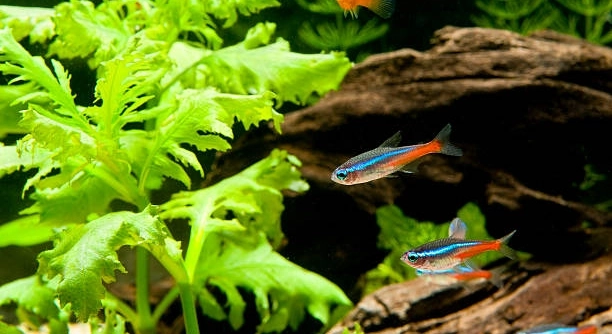
Moving neon tetras to a new aquarium can cause stress for both the fish and the owner. The transition requires careful attention to maintain the health and well-being of these delicate creatures. Stress can be minimized with proper preparation.
To reduce stress when moving neon tetras, ensure the water parameters in the new aquarium match the old one. Gradually acclimate the fish to the new environment and avoid sudden temperature or light changes. Proper handling and minimizing disturbances are also essential.
The right steps will help your neon tetras adjust smoothly to their new home, ensuring they stay healthy and stress-free.
Proper Water Preparation for Neon Tetras
One of the most important factors when moving neon tetras is ensuring that the water conditions in the new tank match the old one. Neon tetras are very sensitive to changes in water quality, so even small shifts in temperature, pH, or hardness can stress them out. Before moving them, test the water in both the current and new aquarium. This includes checking the temperature, pH, ammonia, nitrite, and nitrate levels. If needed, adjust the water in the new tank to match the old tank’s parameters.
If there is a significant difference in water conditions, make the changes gradually. Sudden shifts can overwhelm the tetras, so slowly acclimating them is the best approach. Use a drip acclimation method or float the fish in a bag for 20-30 minutes to let the water temperatures balance. This process will make the transition smoother, giving the fish time to adjust without stress.
Ensuring the water parameters are closely matched is key to reducing stress during the move. This step also minimizes the risk of shock, keeping the neon tetras healthy in their new environment.
Handle with Care
Neon tetras are small and delicate, so handling them properly is essential to reduce stress.
Use a fishnet with fine mesh when transferring them. Avoid using hands directly, as oils from your skin can harm their sensitive skin. Always move them gently and quickly into the new aquarium to minimize exposure to air or stress-inducing environments.
Proper handling avoids unnecessary stress and ensures the neon tetras are safely moved to their new home. Keep them in the water as much as possible to prevent drying out.
Acclimate Your Neon Tetras Gradually
Neon tetras are highly sensitive to sudden changes in their environment. Gradual acclimation is the best way to help them adjust to the new tank.
To start, float the fish in a sealed bag or container inside the new aquarium for about 20-30 minutes. This allows the water temperatures to match. Afterward, slowly mix small amounts of the new aquarium water into the bag or container every 10-15 minutes. This process ensures that the fish are gradually exposed to the new water chemistry.
Acclimating neon tetras slowly reduces stress and prevents shock. Never rush the process. Taking your time can help them adjust without causing harm. Also, keep the aquarium lights dim during this time to minimize additional stressors. If the tetras seem uncomfortable, extend the acclimation process by adding water slowly.
#
Limit Disruptions During the Transition
Try to keep disturbances to a minimum when moving your neon tetras.
Ensure that the new tank is set up properly before introducing the fish. Arrange decorations, plants, and filtration systems beforehand. When transferring the tetras, do so quietly and calmly. Any sudden movements or loud noises can cause unnecessary stress. Keep pets or other distractions away from the area during the transition.
Neon tetras are sensitive to environmental changes and any disturbances can cause them to become stressed. It’s also important to avoid overfeeding during the initial days after the move, as this can worsen water quality and cause further stress to the fish.
Minimize Lighting Changes
Changes in lighting can stress neon tetras. Keep lighting in the new aquarium dim or at a similar level to the old tank.
Sudden light intensity changes can cause confusion and anxiety in neon tetras. Gradually adjust the lighting over several days to help the fish adapt. This will reduce the likelihood of them hiding or becoming overly stressed due to bright lights.
#
Ensure Stable Water Temperature
Temperature fluctuations are harmful to neon tetras and can lead to stress or illness.
Monitor the water temperature before and after transferring the fish. It should be within the range neon tetras are used to, typically between 72-80°F. Use a heater or chiller to maintain a stable temperature. Consistency is key for their well-being.
#
Monitor the Fish Closely
Keep a close eye on the neon tetras after moving them.
Observe their behavior for the first few days. If they seem lethargic or are hiding excessively, this could be a sign of stress. Early detection of unusual behavior helps address any issues before they escalate, ensuring the tetras stay healthy.
FAQ
What should I do if the neon tetras seem stressed after the move?
If the neon tetras seem stressed after moving, it’s important to check their environment closely. Make sure the water temperature and quality are stable and match the conditions they were previously accustomed to. Keep the lighting dim to prevent overstimulation. Check for signs of injury or disease as well. If the tetras continue to show signs of stress, consider extending the acclimation process by slowing down the introduction of new water into their environment.
How can I prevent my neon tetras from getting sick during the move?
To prevent sickness, ensure the water parameters are consistent between the old and new tanks. Make sure the new aquarium has been properly cycled before introducing the tetras. Sudden changes in water chemistry can weaken their immune system, making them more susceptible to diseases. Keep the new aquarium clean and monitor the fish for any signs of illness, such as changes in behavior or appearance.
Can I move my neon tetras to the new tank without acclimating them?
It’s never recommended to move neon tetras without acclimating them first. Moving them directly to a new tank without gradually adjusting them to the water can cause shock. Neon tetras are sensitive to environmental changes, and skipping the acclimation process can result in stress or even death. It’s always best to take the time to acclimate them gradually to the new environment.
How long should I wait before adding other fish to the new tank?
It’s best to wait at least a week or two before adding any other fish to the new tank. This allows the neon tetras time to settle in and adjust to their new environment without the added stress of other tank mates. Introducing new fish too soon can disrupt the stability of the tank and cause further stress to the tetras. After the settling period, you can slowly introduce new fish if desired, but always ensure that the water conditions remain stable for everyone in the tank.
What should I do if the neon tetras are hiding after the move?
Hiding is common for neon tetras after a move, as they may feel insecure in their new surroundings. Ensure the tank has plenty of hiding spots, like plants or decorations, to make them feel safe. If they continue hiding for an extended period, check the water conditions to rule out environmental stressors. Over time, they should become more comfortable as they adjust to the new environment.
How can I reduce the stress of the move for neon tetras?
To reduce stress, make sure the new tank is well-prepared before moving the fish. Maintain similar water parameters to the old tank, keep the lighting dim, and avoid sudden temperature changes. Gradually acclimate the tetras to the new water by floating them in a bag and slowly mixing the new water with the water from their original tank. Additionally, minimize disturbances during the move to keep the fish calm. Handling the fish gently with a soft fishnet can also reduce stress.
What are the signs of stress in neon tetras?
Signs of stress in neon tetras include erratic swimming, excessive hiding, loss of appetite, and a lack of social interaction with other fish. If the tetras are darting around the tank or staying at the bottom, this could also be a sign of distress. You may also notice them swimming near the surface or breathing heavily. Pay attention to these signs and address any potential causes of stress, such as poor water quality or inappropriate tank conditions.
How can I keep my neon tetras healthy in the new tank?
To keep neon tetras healthy in their new tank, maintain stable water parameters, including temperature, pH, and ammonia levels. Feed them a balanced diet, and don’t overfeed, as this can affect water quality. Ensure the tank has proper filtration and clean the tank regularly. Monitor the tetras for any signs of illness and handle them gently when necessary.
Is it normal for neon tetras to be more active after the move?
After settling into the new tank, neon tetras may become more active as they adjust to their new environment. However, they should not be overly active or appear stressed. A balanced level of activity is normal, as they are exploring their new space. If they seem to be swimming erratically or excessively, it could be a sign of stress or poor water conditions.
How do I know when the neon tetras have fully adjusted to the new tank?
Neon tetras are fully adjusted to their new tank when they start swimming normally, interacting with other fish, and eating regularly. They should appear calm and confident, not hiding constantly or showing signs of distress. When their behavior returns to normal, it’s a good indication that they have adapted to their new environment. Regular monitoring during the first few days after the move can help ensure their successful transition.
Final Thoughts
Moving neon tetras to a new aquarium can be a delicate process, but with the right preparation, they can adjust smoothly. Gradual acclimation is essential to minimize stress and ensure that the fish are comfortable in their new environment. By maintaining stable water conditions, avoiding sudden temperature changes, and keeping the lighting dim, you can provide the best chance for a successful transition. Taking the time to ensure that the tank is properly prepared before introducing the fish is a key step that will help ease the move.
It’s important to monitor your neon tetras closely during the first few days in the new aquarium. Watch for any signs of stress, such as erratic swimming, loss of appetite, or excessive hiding. These behaviors can indicate that the fish are not adjusting well to their new environment. If these signs persist, recheck the water quality, and make any necessary adjustments. While some stress is normal, especially during the initial stages, it’s important to ensure the fish are not overwhelmed by environmental changes.
Over time, your neon tetras will begin to settle into their new tank, and you’ll notice a return to their natural, active behavior. Maintaining a calm, stable environment will keep them healthy and reduce the chances of long-term stress. Keeping the tank clean and ensuring good water quality will go a long way in maintaining the health of your tetras. By following the proper steps and being patient, you will help your neon tetras thrive in their new home.

Hello,
If you enjoy the content that we create, please consider saying a "Thank You!" by leaving a tip.
Every little bit helps us continue crafting quality advice that supports the health, happiness, and well-being of pets around the world, for pets of all shapes, sizes, and species.
We really appreciate the kindness and support that you show us!