
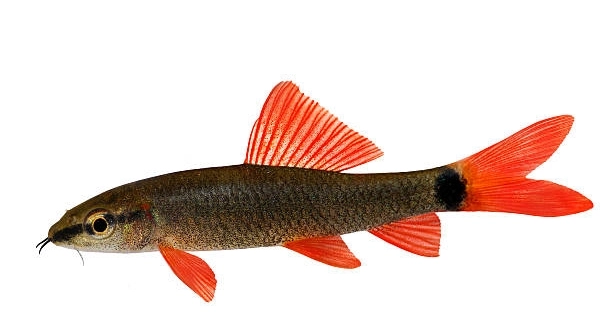
Many fish owners enjoy keeping rainbow sharks for their vibrant colors and lively behavior. However, these fish can become stressed if their environment is not well maintained. Ensuring a calm habitat is essential for their health and well-being.
Stress in rainbow sharks often results from poor water quality, overcrowding, insufficient hiding places, and improper tank conditions. Reducing stress requires careful attention to water parameters, tank size, compatible tank mates, and providing adequate shelter within the aquarium.
Improving your rainbow shark’s environment will promote a healthier, more active fish. Small changes can make a significant difference in their overall comfort and happiness.
Maintain Clean Water Conditions
Keeping the water clean is one of the most important steps to reduce stress in your rainbow shark. Regular water changes help remove waste and toxins that can build up in the tank. Testing the water for ammonia, nitrites, and nitrates ensures it stays within safe levels. Using a good filtration system also supports water quality by removing debris and harmful substances. It is helpful to change about 20-30% of the water every week, but this can vary depending on tank size and fish load. Avoid using harsh chemicals or soaps when cleaning the tank, as these can harm the fish. Clean water promotes better breathing and reduces the risk of disease, which are key to a stress-free environment for your rainbow shark.
A clean tank with balanced water parameters greatly reduces stress and supports healthy behavior in your rainbow shark.
Creating a stable environment takes effort but leads to a happier, healthier fish. Keeping water conditions consistent helps prevent sudden changes that may startle or harm your rainbow shark. Along with regular water changes, removing uneaten food and cleaning substrate also prevent water quality issues. A well-maintained filter should run continuously, and its media replaced as needed without disturbing beneficial bacteria. Monitoring water temperature is equally important; rainbow sharks prefer 72-79°F (22-26°C). Sudden shifts in temperature can cause stress and illness. Setting up the tank away from direct sunlight or drafts prevents fluctuations. Overall, investing time in water care keeps your rainbow shark calm and thriving, which makes caring for your fish easier and more enjoyable.
Provide Adequate Space and Hiding Spots
Rainbow sharks need enough space to swim freely and places to hide. Overcrowding increases stress and aggression, so selecting the right tank size is essential.
A tank of at least 30 gallons is recommended for one rainbow shark to ensure sufficient swimming room.
A spacious tank reduces territorial disputes and helps the fish feel secure. Providing hiding spots with decorations like caves, plants, or driftwood lets the fish retreat when feeling threatened. These shelters help lower stress levels and encourage natural behavior. Avoid sharp or rough decorations that could injure your fish. Proper arrangement of hiding places throughout the tank ensures your rainbow shark can choose its preferred spot. Combining open swimming areas with secure shelters creates a balanced environment, promoting calmness. This balance supports the fish’s overall health and reduces chances of stress-related illness. Taking time to plan the tank layout benefits both the fish and the owner by making observation and maintenance easier.
Choose Compatible Tank Mates
Rainbow sharks can be territorial, so selecting peaceful tank mates is important to reduce stress. Avoid aggressive or fin-nipping species.
Keeping calm species such as small tetras, danios, or gouramis can help maintain harmony. Avoid fish that are overly aggressive or slow-moving, as this can cause bullying. Rainbow sharks prefer bottom or mid-level swimming areas, so tank mates that occupy different water levels reduce conflict. Introducing tank mates gradually and monitoring interactions helps prevent stress and injuries. When done correctly, compatible companions contribute to a balanced tank environment.
A well-chosen community promotes natural behavior and decreases stress-related aggression. Mixing species with different temperaments and swimming zones ensures that your rainbow shark can establish its own territory without constant challenges.
Maintain Proper Lighting and Temperature
Consistent lighting and temperature play key roles in reducing stress. Sudden changes in light intensity or temperature can startle rainbow sharks and disrupt their routine. Use a timer to provide a regular light cycle, ideally 10-12 hours a day. Avoid placing the tank in direct sunlight to prevent overheating and algae growth.
Rainbow sharks thrive in temperatures between 72-79°F (22-26°C). Using an aquarium heater with a reliable thermostat helps maintain a stable temperature. Fluctuations outside this range can lead to stress and illness. Keeping the environment predictable supports natural behaviors such as feeding and resting. Proper lighting also encourages plant growth, which benefits water quality and offers additional hiding spots. Stable conditions improve your fish’s immune system, helping to prevent disease and maintain long-term health.
Provide a Balanced Diet
A varied diet helps keep rainbow sharks healthy and stress-free. Offer high-quality pellets, flakes, and occasional live or frozen foods.
Feeding small amounts twice daily prevents overfeeding and maintains water quality. Consistent feeding routines support their natural behavior and reduce stress.
Avoid Overcrowding
Too many fish in one tank increase competition for space and resources, leading to stress and aggression. Maintain proper stocking levels based on tank size.
Overcrowding causes poor water quality and limits swimming space, both of which negatively affect your rainbow shark’s health and comfort.
Regular Tank Maintenance
Consistent cleaning and upkeep prevent harmful build-up in the tank. Removing waste and checking equipment keep the environment stable and safe.
Regular maintenance reduces stress by providing a comfortable, healthy habitat where your rainbow shark can thrive without constant environmental changes.
How can I tell if my rainbow shark is stressed?
Signs of stress in rainbow sharks include hiding excessively, loss of appetite, erratic swimming, or fading colors. You may notice your fish rubbing against objects or gasping at the surface. These behaviors often indicate poor water quality, overcrowding, or illness. Monitoring your fish daily helps catch stress early, allowing you to adjust their environment promptly.
What water parameters are best for rainbow sharks?
Rainbow sharks thrive in water with a pH between 6.5 and 7.5, a temperature range of 72-79°F (22-26°C), and low levels of ammonia, nitrites, and nitrates. Regular testing ensures these parameters remain stable. Maintaining these levels reduces stress and supports overall fish health.
How often should I change the water in my rainbow shark’s tank?
Performing a partial water change of 20-30% weekly is ideal. This helps remove toxins and replenish minerals. Avoid full water changes, as sudden shifts can stress your fish. Regular changes keep the tank clean and the fish comfortable.
What are the best hiding spots for rainbow sharks?
Rainbow sharks appreciate caves, dense plants, and driftwood as hiding places. These shelters give them safe retreats from light or tank mates. Avoid sharp or rough decorations that might injure your fish. Position hiding spots throughout the tank to allow choice.
Can rainbow sharks live with other fish?
Yes, but tank mates must be chosen carefully. Peaceful, mid- to upper-level swimmers like tetras, danios, or gouramis work well. Avoid slow-moving or aggressive species to prevent stress and conflict. Always observe interactions after introducing new fish.
How much space does a rainbow shark need?
A minimum tank size of 30 gallons is recommended for one rainbow shark. This provides enough swimming room and territory to reduce stress. Larger tanks are preferred if keeping multiple fish or community species to avoid overcrowding.
What do rainbow sharks eat?
Rainbow sharks eat a variety of foods including high-quality flakes, pellets, live or frozen bloodworms, brine shrimp, and vegetable matter. Offering a balanced diet promotes health and reduces stress caused by poor nutrition. Feed small amounts twice daily.
Why is water temperature important for rainbow sharks?
Rainbow sharks are sensitive to temperature changes. Consistent temperatures between 72-79°F (22-26°C) support their metabolism and immune system. Sudden drops or spikes can cause stress and illness. Using a heater with a thermostat maintains stable conditions.
How can I reduce aggression in rainbow sharks?
Providing enough space, hiding spots, and compatible tank mates reduces territorial behavior. Avoid overcrowding and maintain good water quality. If aggression persists, consider separating fish or upgrading the tank size. Balanced environments lower stress and aggression.
What maintenance tasks help keep my rainbow shark stress-free?
Regular water testing, partial water changes, filter cleaning, and removing uneaten food help maintain water quality. Inspect equipment to ensure proper function. Consistent tank upkeep prevents harmful conditions that cause stress and disease.
How does lighting affect rainbow sharks?
Proper lighting with a regular day-night cycle helps regulate your fish’s natural behavior. Avoid bright, direct sunlight or sudden changes in lighting intensity, which can cause stress. Using a timer for 10-12 hours of light daily creates a stable environment.
Can stress cause illness in rainbow sharks?
Yes, prolonged stress weakens the immune system and makes fish more vulnerable to infections like ich, fin rot, or fungal diseases. Keeping stress low through good care practices helps prevent illness and supports recovery if disease occurs.
Taking care of a rainbow shark involves more than just feeding and cleaning. Creating a peaceful environment is essential for the fish’s health and happiness. Stress can affect their behavior, immune system, and lifespan, so it is important to keep stress factors low. Paying attention to water quality, tank size, and tank mates are some of the most important steps to achieve this. Regular maintenance and monitoring of the tank will help you notice any issues early on. These small efforts make a big difference in how comfortable your fish feels.
The details in the tank setup matter. Providing enough swimming space and hiding spots helps the rainbow shark feel secure. Overcrowding and aggressive companions increase stress and can lead to injuries or illness. Balanced lighting and stable temperatures also support a calm environment. Feeding a varied and balanced diet helps keep your fish strong and healthy. Consistency in daily care routines reduces sudden changes that may upset your fish. All these factors together contribute to a healthier, longer life for your rainbow shark.
By paying attention to the needs of your rainbow shark, you create a better home for it. Understanding how different conditions affect stress levels helps improve the fish’s well-being. Regular observation and small adjustments in care prevent problems before they become serious. Taking the time to maintain a good environment shows respect for your pet and improves your experience as an aquarium keeper. A happy rainbow shark is easier to care for and more enjoyable to watch.

Hello,
If you enjoy the content that we create, please consider saying a "Thank You!" by leaving a tip.
Every little bit helps us continue crafting quality advice that supports the health, happiness, and well-being of pets around the world, for pets of all shapes, sizes, and species.
We really appreciate the kindness and support that you show us!