
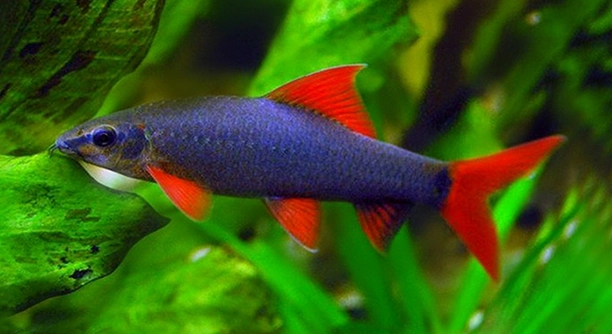
Is your rainbow shark showing signs of stress like hiding too often, aggressive behavior, or faded colors in the tank?
The best way to reduce stress in your rainbow shark tank is by maintaining proper water conditions, offering enough hiding spaces, and avoiding overcrowding. These steps help create a calm, balanced environment that supports their natural behavior.
Small changes in their surroundings can have a big impact on your fish’s well-being, and knowing what to adjust can make all the difference.
Keep the Tank Peaceful
Rainbow sharks don’t do well in tense or busy tanks. They like their own space and can become territorial if housed with the wrong tank mates. It’s important to give them enough room and reduce visual stress by adding plants, caves, or driftwood. These not only create hiding spots but also help break lines of sight, which prevents chasing or fighting. Avoid putting them in tanks with other bottom dwellers like red-tailed sharks or aggressive fish. Peaceful mid-to-top swimmers are a safer option. Keeping the tank quiet and steady also helps. Avoid loud noises, banging the glass, or turning lights on suddenly. Even small stressors can add up, making your rainbow shark uneasy or aggressive. Choose calm tank mates, monitor interactions, and be ready to rearrange the setup if needed. A peaceful tank keeps your fish healthy and makes the aquarium more relaxing to watch, too.
Avoiding aggression starts with smart tank design and thoughtful stocking.
If your rainbow shark still seems stressed, try watching how it behaves throughout the day. Is it pacing, hiding more than usual, or acting jittery when you approach the tank? These are signs it’s not feeling safe. Making small changes like adding more cover or dimming the lights can help. Giving your fish some alone time also matters—avoid constant tapping or rearranging things just for fun. Let it get used to a routine. Rainbow sharks prefer a steady rhythm in their space, and too much change can throw them off. A calm, organized setup supports their natural instincts. Once they feel safe, they’re more likely to show their active and curious side. That’s when they really start to shine.
Monitor Water Conditions Closely
Poor water quality is one of the main causes of stress in rainbow sharks.
To keep them healthy, test your water often for ammonia, nitrite, nitrate, and pH. Rainbow sharks like slightly acidic to neutral water (around 6.5–7.5 pH), and temperatures between 75–81°F. Unstable or dirty water affects their breathing and weakens their immune system. Make partial water changes weekly—usually 25% is enough. Avoid large or sudden changes, as that can shock them. Use a good-quality filter and rinse it gently in tank water during maintenance. Tap water should always be treated with a water conditioner to remove chlorine and chloramine. It’s not just about keeping it clean—consistency is what matters most. When parameters are stable, your fish will feel more at ease. If something looks off—cloudy water, a strong smell, or algae blooms—check your filter and feeding habits. Overfeeding is a common issue that leads to waste build-up. Stick to a feeding schedule and don’t crowd the tank with uneaten food.
Avoid Overcrowding
Too many fish in one tank can lead to stress, fighting, and dirty water. Rainbow sharks need space to swim and don’t like being crowded, especially by fish that get too close to their territory.
Stick to one rainbow shark per tank unless your setup is very large—over 100 gallons. Even then, it’s risky. Choose tank mates that prefer different areas of the aquarium, like top or mid-level swimmers. This helps prevent conflict and keeps your shark from feeling trapped. Overstocking can also make it harder to keep the water clean and stable, which adds more stress. Every fish you add increases the bio-load, and that puts pressure on your filter system. It’s better to keep a small, well-balanced group than to fill the tank with too many fish. Give your rainbow shark room to breathe, and it’ll be healthier and more relaxed.
A good rule is one inch of fish per gallon, but that doesn’t always apply with active or territorial fish like rainbow sharks. They’re fast swimmers and need both open space and quiet spots. If other fish are always near them, they may start acting aggressive or hiding more. Also, too many fish competing for food creates tension during feeding time. You might notice your rainbow shark darting around more or refusing to eat. These are signs it feels overwhelmed. Before adding any new fish, think about how much space you really have. Consider not just tank size, but also how each fish behaves and where it spends most of its time.
Limit Light Exposure
Bright, constant lighting can cause stress for rainbow sharks. They’re naturally drawn to darker, shaded areas, especially during the day. Keeping the tank lights on too long or using overly strong bulbs can leave them feeling exposed and unsettled.
Keep your tank lights on for about 8–10 hours a day. If possible, use a timer to stay consistent. Try adding floating plants or dim lighting in one section to give your rainbow shark a place to retreat when it needs to. If your tank gets a lot of sunlight, be careful about where it’s placed. Direct sunlight not only raises the temperature but can also lead to algae growth. Both of these can change the tank’s balance and add more stress. It helps to mimic a natural day-night rhythm. During nighttime hours, make sure the room stays dark or use a very low, soft light if needed.
Feed a Balanced Diet
Feeding the right mix of food helps lower stress and keeps your rainbow shark healthy. They do best on a mix of sinking pellets, algae wafers, and the occasional frozen or live food.
Avoid overfeeding, which can dirty the water and lead to health problems. Feed small amounts once or twice a day.
Maintain a Steady Routine
Rainbow sharks prefer stability. Keep a consistent schedule for feeding, lighting, and water changes. Avoid rearranging tank decorations often, as sudden changes can cause confusion and anxiety.
Stress often increases when their environment changes too frequently. If you need to move things, do it slowly and watch how your fish reacts. Even small shifts in daily routines can make a difference. Try to limit tapping on the glass or any activity around the tank that causes sudden movement. Calm surroundings, predictable feeding times, and steady lighting patterns all work together to help your rainbow shark feel safe.
Quarantine New Tank Mates
Always quarantine new fish for at least two weeks before adding them to the main tank. This keeps your rainbow shark safe from sudden illness or parasites.
How can I tell if my rainbow shark is stressed?
Signs of stress in rainbow sharks include hiding more than usual, losing color, refusing to eat, or showing aggressive behavior. You might also notice erratic swimming, such as darting around the tank or rubbing against objects. These behaviors usually mean something in their environment isn’t right. It’s important to check water conditions, tank mates, and tank setup to find the cause quickly.
What is the ideal tank size for a rainbow shark?
A single rainbow shark needs at least a 55-gallon tank to thrive. They are active swimmers and require plenty of space to avoid feeling crowded or territorial. Bigger tanks allow for better water quality and help reduce stress by giving the fish room to explore. Smaller tanks often lead to aggressive behavior and poor health.
Can rainbow sharks live with other fish?
Yes, but choosing compatible tank mates is key. Rainbow sharks do best with peaceful mid-to-top swimmers like tetras or danios. Avoid other bottom dwellers or aggressive fish, as they compete for space and cause stress. It’s best to research each species’ temperament before mixing them.
How often should I clean my rainbow shark tank?
Perform partial water changes of about 25% weekly. This keeps the water clean and stable without shocking the fish. Clean the filter monthly, rinsing it gently in tank water. Over-cleaning or full water changes can cause sudden shifts in water chemistry that stress your fish.
What foods are best for rainbow sharks?
Rainbow sharks are omnivores. Feed them sinking pellets designed for bottom feeders, algae wafers, and occasional treats like bloodworms or brine shrimp. Avoid overfeeding; give small portions once or twice a day. Uneaten food should be removed to prevent water pollution.
How do I reduce aggression in my rainbow shark?
Provide plenty of hiding places and break the tank’s line of sight with plants or decorations. Keep one rainbow shark per tank unless it’s very large. Choose peaceful tank mates and avoid overcrowding. Maintaining good water quality and a calm environment also helps reduce aggression.
Is lighting important for rainbow sharks?
Yes. Too much bright light can stress rainbow sharks since they prefer shaded areas. Keep lights on for 8–10 hours daily and provide dim areas or floating plants for retreat. A natural day-night cycle supports their well-being.
What temperature and pH do rainbow sharks prefer?
Rainbow sharks thrive in water between 75°F and 81°F. The pH should be slightly acidic to neutral, around 6.5 to 7.5. Keeping these stable helps reduce stress and supports their immune system.
How long do rainbow sharks live?
With proper care, rainbow sharks can live 5 to 8 years. Stress, poor water quality, and overcrowding shorten their lifespan. Providing a stable, clean environment and a good diet helps them live longer and healthier lives.
Why is my rainbow shark hiding all the time?
Hiding often signals stress or discomfort. This can be caused by aggressive tank mates, poor water quality, or lack of hiding spots. It can also mean your fish is sick. Check water parameters, tank conditions, and behavior closely to identify the issue.
Should I quarantine new fish before adding them?
Yes. Quarantining new fish for at least two weeks helps prevent diseases and parasites from entering the main tank. This protects your rainbow shark and other fish from sudden illness.
What can cause sudden color fading in rainbow sharks?
Color fading usually indicates stress, illness, or poor water conditions. It can happen due to changes in temperature, high ammonia levels, or bullying from other fish. Test your water regularly and monitor tank mates’ behavior to keep your rainbow shark vibrant.
How often should I feed my rainbow shark?
Feed your rainbow shark once or twice daily with small amounts. Overfeeding pollutes the tank and stresses the fish. If you notice uneaten food, reduce the portion size. A consistent feeding schedule helps maintain health and routine.
Can rainbow sharks tolerate other bottom feeders?
It’s best to avoid keeping rainbow sharks with similar bottom dwellers like red-tailed sharks or clown loaches. They compete for space and often become aggressive. Choosing fish that occupy different tank levels reduces stress for everyone.
What is the best way to introduce new fish to the tank?
Introduce new fish slowly by floating their bag in the tank to equalize temperature. Then, add small amounts of tank water to the bag over 15–30 minutes. Finally, gently release the fish. Keep the environment calm and watch for signs of aggression or stress.
How important is water filtration for rainbow sharks?
Water filtration is critical. Rainbow sharks produce waste that can quickly pollute the tank. A good filter removes toxins and keeps water clear, reducing stress and illness. Clean the filter regularly but avoid harsh cleaning to preserve beneficial bacteria.
Can stress cause illness in rainbow sharks?
Yes. Stress weakens the immune system, making rainbow sharks vulnerable to infections like ich or fin rot. Preventing stress through proper care, tank setup, and water quality helps keep your fish healthy.
How do I handle aggressive behavior in my rainbow shark?
If aggression starts, try rearranging the tank to break sight lines. Add more hiding spots or consider separating the fish temporarily. Avoid overcrowding and keep the water clean. Monitoring their behavior daily helps catch problems early.
Are rainbow sharks nocturnal?
They are most active during the day but often hide or rest at night. Providing dark areas in the tank helps mimic their natural behavior and reduces stress.
What should I do if my rainbow shark stops eating?
Loss of appetite can signal stress or illness. Check water quality first, then review tank mates and environment for stressors. If the problem continues, consider consulting a vet or fish expert. Offering varied foods might help stimulate interest.
How do I prevent algae buildup in the tank?
Control light exposure, avoid overfeeding, and perform regular water changes. Adding algae-eating species like snails or shrimp can also help. Keeping the tank clean reduces stress on your rainbow shark.
Taking good care of your rainbow shark means paying close attention to its environment and needs. Stress in these fish can show up in many ways, like hiding, losing color, or acting aggressively. The best way to help your fish stay calm and healthy is by making sure the tank conditions are just right. This includes keeping the water clean, maintaining proper temperature and pH, and avoiding overcrowding. Giving your rainbow shark enough space and peaceful tank mates will also reduce stress. When the fish feels safe and comfortable, it will be more active and show off its beautiful colors.
Another important factor is providing a steady routine. Rainbow sharks do better when their environment stays stable. Feeding them the right food on a regular schedule helps maintain their health and lowers stress. It is also important to keep the lighting balanced — too much bright light can make them uneasy, so having some shaded areas or floating plants is a good idea. Additionally, making sure new fish are quarantined before adding them to the tank protects your rainbow shark from disease and keeps the whole tank healthier. Small actions like these go a long way in keeping your fish happy.
Overall, reducing stress in your rainbow shark tank takes attention and care but is very rewarding. By monitoring water quality, avoiding overcrowding, and creating a calm, natural setting, you support your fish’s well-being. Changes should be introduced slowly and carefully, giving the fish time to adjust. Watching your rainbow shark regularly helps you spot any problems early so you can fix them quickly. When your rainbow shark thrives, it brings beauty and life to your tank, making all the effort worthwhile.

Hello,
If you enjoy the content that we create, please consider saying a "Thank You!" by leaving a tip.
Every little bit helps us continue crafting quality advice that supports the health, happiness, and well-being of pets around the world, for pets of all shapes, sizes, and species.
We really appreciate the kindness and support that you show us!