
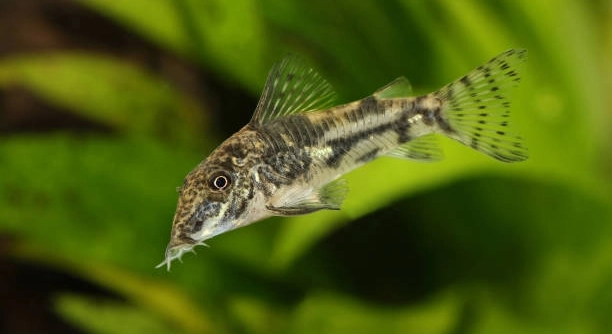
Maintaining a healthy aquarium can sometimes be stressful for both you and your Corydoras catfish. Knowing how to reduce their stress during maintenance is crucial for their well-being. This guide explores simple ways to help your fish stay calm and happy.
To reduce stress in your Corydoras catfish during tank maintenance, focus on minimizing disturbances, maintaining water quality, and ensuring proper tank conditions. These steps will help keep your catfish comfortable and prevent unnecessary stress or harm.
By following these methods, your Corydoras can enjoy a calmer, more stable environment. With these tips, you will be able to maintain a healthy tank while ensuring your fish are less stressed.
Minimize Water Disturbance During Cleaning
One of the best ways to reduce stress in your Corydoras catfish is by minimizing water disturbance during maintenance. Corydoras are bottom dwellers and prefer calm water with minimal agitation. When cleaning the tank, try to avoid sudden movements or loud noises that could startle them. Instead, gently remove debris and perform water changes with slow, controlled actions. This helps maintain a peaceful atmosphere, making the experience less disruptive for the fish.
Maintaining a calm environment while cleaning the tank keeps your Corydoras feeling secure. Avoid any sudden splashes or changes in water flow that may cause anxiety.
Additionally, using a siphon to remove waste without disturbing the substrate can help maintain the stability of the tank. Be sure to use a gentle, steady hand when cleaning the bottom of the tank, as Corydoras are sensitive to changes in their surroundings. The less disruption during tank maintenance, the more likely your fish will stay comfortable and healthy.
Maintain Stable Water Temperature
Corydoras catfish are sensitive to sudden temperature changes, so it’s crucial to keep the water temperature stable during maintenance. When performing water changes, always match the new water’s temperature with that of the tank. Rapid shifts can cause unnecessary stress and even health issues for your fish.
Using a reliable thermometer in the tank ensures the temperature remains steady. Avoid adding water that is too hot or too cold, as this can shock the fish. It’s also helpful to use a heater with a thermostat to prevent fluctuations in the tank temperature, especially in colder environments.
If you need to change a large amount of water, do it gradually. Adding small amounts of water at a time allows the fish to adjust more easily without feeling overwhelmed. Keeping the temperature consistent helps maintain a stable environment for the Corydoras, reducing stress levels and promoting their overall health.
Keep the Tank Environment Quiet
Corydoras catfish are easily startled by loud noises and vibrations. Keeping the area around the tank quiet during maintenance can help reduce their stress. Try to avoid slamming doors, tapping the glass, or playing loud music near the aquarium.
Creating a peaceful environment helps your Corydoras feel safe and secure. Fish are naturally sensitive to vibrations, so even small disturbances can cause stress.
Use a Gentle Filter System
A gentle filter is crucial for Corydoras catfish, as they are sensitive to strong currents. Using a filter with adjustable flow helps maintain water quality without stressing your fish. A low flow rate ensures the fish can swim comfortably without being swept away by powerful currents.
Choose a filter designed for smaller, calmer fish. These filters provide essential filtration without disturbing the water too much. You can also add filter sponges to further reduce flow if necessary.
FAQ
How often should I clean my Corydoras catfish tank?
It’s important to clean your Corydoras catfish tank regularly, but not too often. Aim for a full cleaning every 2 to 4 weeks. This includes removing debris, changing about 25% to 30% of the water, and cleaning the decorations. Weekly, you can do smaller tasks like removing excess waste or algae from the tank. Avoid disturbing the substrate too much as Corydoras prefer stable environments.
Can I use a gravel vacuum to clean the substrate?
Yes, using a gravel vacuum is a great way to clean the substrate without stressing your Corydoras. It helps remove waste and uneaten food that settles in the gravel. Just be gentle and avoid disturbing too much of the substrate. This keeps your fish’s environment clean while minimizing stress.
Do Corydoras catfish need a specific tank setup?
Corydoras don’t require elaborate setups, but they do benefit from a soft substrate like sand, which is easier on their sensitive barbels. Ensure the tank has plenty of hiding spots, such as plants or caves, where they can feel secure. A well-planted tank with low to moderate lighting is ideal for them.
What is the best water temperature for Corydoras catfish?
Corydoras catfish thrive in water temperatures between 72°F and 78°F (22°C to 26°C). Keeping the water within this range reduces stress and helps maintain their overall health. Sudden temperature changes can harm them, so always match the temperature of new water with that of the tank.
How do I know if my Corydoras catfish are stressed?
Signs of stress in Corydoras include erratic swimming, hiding more than usual, or not eating. They may also display rapid gill movements or swim near the surface of the water more frequently. If you notice these behaviors, check your tank conditions like water quality, temperature, and lighting, and make sure the environment is calm and stable.
Can Corydoras catfish live with other species?
Yes, Corydoras are peaceful fish that typically get along well with other non-aggressive species. However, avoid keeping them with larger or more aggressive fish that may bully them. Other small, peaceful fish such as tetras, guppies, and small rasboras make great tank mates for Corydoras.
What type of filter is best for Corydoras?
A gentle filter is the best choice for Corydoras. They don’t like strong currents, so avoid filters that create too much water movement. A sponge filter is often a good option, as it provides filtration without disturbing the water too much. Make sure the filter is rated for the size of your tank.
Can I use chemical treatments in my Corydoras tank?
Chemical treatments should only be used when absolutely necessary. Corydoras are sensitive to chemicals, and many treatments can harm or stress them. Always read the label carefully, and if possible, use natural alternatives like salt baths or plant-based treatments. Be sure to remove any chemicals or medications once treatment is complete.
What should I feed my Corydoras catfish?
Corydoras are omnivores and should be fed a balanced diet. High-quality sinking pellets designed for bottom feeders are ideal, but you can also offer frozen or live foods like bloodworms, brine shrimp, or daphnia. Supplement with vegetables like blanched zucchini or spinach for variety. Be sure to avoid overfeeding.
How can I tell if my Corydoras catfish is sick?
Common signs of illness in Corydoras include loss of appetite, abnormal swimming behavior, faded colors, or visible lesions. If you notice these symptoms, check the water quality immediately, as poor conditions are often the cause. If the problem persists, consider isolating the sick fish and consulting an aquarium vet.
Final Thoughts
Corydoras catfish are generally resilient fish, but maintaining a calm and stable environment is essential for their well-being. During tank maintenance, it’s important to minimize stress factors such as water disturbance, sudden temperature changes, or loud noises. By creating a peaceful atmosphere, you help your Corydoras feel more secure, which can lead to healthier and happier fish. Keeping the tank clean, stable, and quiet ensures they thrive in their environment, reducing the risk of stress-related health issues.
Taking care of your Corydoras doesn’t have to be difficult, but it does require regular attention. From performing water changes to monitoring water temperature, each task plays a role in creating a safe space for your fish. The key is consistency—keeping their tank environment as stable as possible. A simple, low-flow filter system and gentle cleaning methods will go a long way in reducing stress for your Corydoras during tank maintenance. They’ll appreciate the calm and will be able to focus on their natural behaviors instead of feeling anxious from their surroundings.
By following the advice provided in this article, you can keep your Corydoras catfish happy and healthy for a long time. These small but important adjustments to your maintenance routine can significantly improve their quality of life. It’s all about understanding their needs and working to meet them in a way that minimizes stress. With patience and a little care, you’ll ensure that your Corydoras live in a comfortable, low-stress environment, and you’ll be able to enjoy observing them in their best health.

Hello,
If you enjoy the content that we create, please consider saying a "Thank You!" by leaving a tip.
Every little bit helps us continue crafting quality advice that supports the health, happiness, and well-being of pets around the world, for pets of all shapes, sizes, and species.
We really appreciate the kindness and support that you show us!