
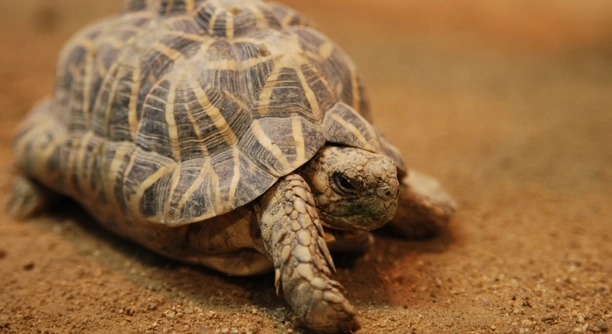
Turtles, like many animals, can experience stress, which may affect their health and overall well-being. Understanding how to reduce stress in turtles can help them live a happier and healthier life.
There are various ways to reduce stress in turtles, such as creating a calm environment, maintaining proper water conditions, and providing appropriate food. Regular interaction and handling should be done gently to avoid causing unnecessary anxiety.
By focusing on these strategies, you can improve your turtle’s quality of life. Making small changes can lead to noticeable benefits, so let’s take a look at some simple ways to help your turtle feel more relaxed.
Creating a Calm Environment
Turtles thrive in peaceful surroundings, and minimizing stress starts with their environment. If they are kept in a tank, make sure the habitat is quiet and free from loud noises or sudden movements. Too much noise or rapid changes in their surroundings can make them anxious. A tank in a quiet room is ideal, away from high-traffic areas. Additionally, lighting should be gentle. Bright, harsh lights can disturb them. Natural light, along with a proper basking area, creates a calming atmosphere. Make sure the tank has plenty of hiding spots where your turtle can retreat when feeling stressed.
It’s also important to check the tank’s placement. Turtles don’t like to feel exposed. They prefer a space where they feel safe, so positioning the tank in a corner or away from windows helps them avoid feeling threatened by movements outside.
Ensure that their space allows them to retreat. A proper setup reduces unnecessary stress and encourages more natural behavior. Having places where they can feel secure, especially at night, helps them thrive.
Water Quality and Temperature Matters
Water conditions play a big role in your turtle’s stress levels. Keep the water clean and ensure the temperature stays stable. Turtles are sensitive to temperature fluctuations, so use a heater to maintain warmth, especially in colder months. A consistent temperature helps your turtle feel comfortable, while sudden changes may stress them out.
Make sure the water is filtered regularly, as dirty water can lead to health problems and stress. Stale or polluted water can make your turtle uneasy. Regular water changes and a good filtration system are essential for keeping the water safe. Turtles need a water environment that feels fresh and clean to be at ease.
When water quality is optimal, your turtle is more likely to stay healthy and happy. They are less likely to become stressed, which can lead to health issues. Paying attention to these details creates a much more stable and peaceful living space for them.
Proper Diet and Feeding Routine
A balanced diet can help reduce stress in turtles. Offer a variety of foods such as leafy greens, pellets, and occasional protein sources like insects or fish. Ensure they get the right nutrients for healthy growth and energy. Stick to a consistent feeding schedule to reduce any food-related anxiety.
Turtles prefer routine when it comes to feeding. Feeding them at the same time each day creates a sense of stability and comfort. Inconsistent feeding can cause stress as they may become uncertain about when to expect their meals. Pay attention to how much food your turtle consumes. Overfeeding or underfeeding can also lead to stress and health issues.
Healthy food and regular feeding help keep your turtle’s body in balance. When their nutritional needs are met, it’s easier for them to stay calm and active. Offering fresh, clean food boosts their overall mood and health, making them less likely to experience unnecessary stress.
Gentle Handling and Interaction
Handling your turtle with care is key to reducing stress. Avoid picking them up too often or too roughly. They may feel threatened by sudden movements or excessive handling. Instead, interact with them calmly and gently, allowing them to come to you if they feel comfortable.
Let your turtle adjust to you at their own pace. Keep interactions short and calm, especially when introducing new people or pets. Too much stimulation or being held for too long can overwhelm them. Respect their personal space and avoid crowding them, as this can make them anxious.
Turtles do not need constant attention, and forcing them to engage when they need quiet time can increase stress. Understanding their need for peace and quiet can make all the difference in their well-being. Keep interactions positive and light, allowing them the space to thrive.
Avoiding Overcrowding
Overcrowding can cause stress for your turtle. Ensure that their tank is big enough to provide enough space to move around freely. Too many turtles in one tank leads to competition for food and territory, causing anxiety and fighting.
Make sure there’s enough room for each turtle to have its own space. If you have multiple turtles, a larger tank or separate tanks may be necessary. This helps prevent territorial behavior and keeps everyone calmer.
Temperature and Lighting Balance
Maintaining the right temperature and lighting is essential for your turtle’s well-being. Turtles need both warm water and a basking area to regulate their body temperature. Proper lighting mimics natural day and night cycles, which help them maintain a healthy routine.
A basking light for warmth and UVB lighting helps turtles stay active and healthy. If the lighting is too bright or harsh, it may stress your turtle out. Provide a variety of temperature zones to allow your turtle to regulate its body temperature as needed.
FAQ
How do I know if my turtle is stressed?
A stressed turtle may display changes in behavior, such as hiding more than usual, refusing food, or becoming more aggressive. They might also bask excessively or appear lethargic. Changes in their shell or skin, like discoloration, can also be signs of stress. Monitor their behavior closely, and adjust their environment if you notice any of these signs. Stress can affect their immune system, making them more prone to illness.
What’s the best way to reduce stress in a turtle?
Reducing stress in a turtle involves creating a peaceful environment, maintaining clean water, providing a proper diet, and ensuring they have a consistent routine. Avoiding loud noises and rapid movements around their tank will help them feel secure. Regular but gentle handling also contributes to their comfort. Focus on their habitat, diet, and health, and stress should decrease over time.
Can turtles get stressed from being handled too much?
Yes, turtles can get stressed from excessive handling. They are not creatures that naturally seek attention like some pets. Too much interaction can make them feel vulnerable and anxious. Handle your turtle only when necessary, and always gently. Allow them to move at their own pace. If you notice signs of stress, it’s best to limit handling.
How often should I feed my turtle?
Most adult turtles are fed every other day, while younger turtles may need to eat daily. It’s important to keep feeding consistent so your turtle knows when to expect food. Offering them meals at the same time each day helps establish a routine, reducing any stress related to feeding times. Be mindful of portion sizes to avoid overfeeding or underfeeding.
Can water quality affect a turtle’s stress levels?
Absolutely. Poor water quality is a common cause of stress in turtles. Dirty water can lead to health issues and irritate their skin, causing discomfort. Regularly change the water and clean the tank to ensure it stays fresh. The water temperature should also be monitored closely. A clean, balanced water environment is essential for keeping your turtle relaxed and healthy.
What type of lighting should I provide for my turtle?
Turtles need both heat and UVB lighting. The heat source should provide warmth for basking, while the UVB light helps them synthesize vitamin D3, which is crucial for shell and bone health. The UVB light should be on for 10-12 hours per day to mimic natural sunlight. Ensure the lights are not too bright or hot, as this can cause stress.
Should I have more than one turtle in the same tank?
If you want multiple turtles in one tank, make sure the tank is large enough to accommodate all of them. Overcrowding can lead to stress, territorial disputes, and unhealthy competition for food. Some species of turtles do better alone, while others can coexist peacefully. Always research the specific needs of the species you have to determine if they can share space.
How do I provide a proper basking area for my turtle?
A basking area is essential for your turtle to regulate its body temperature. Use a flat rock or a floating dock that stays dry and allows your turtle to climb out of the water. The area should be exposed to a heat source (like a basking light), so your turtle can bask in warmth. Make sure the basking area is easily accessible, and it should have enough space for your turtle to feel comfortable.
What can I do if my turtle refuses to eat?
If your turtle refuses to eat, check their environment first. Stress, poor water quality, or improper lighting may be affecting their appetite. Make sure their habitat is calm and that they’re offered a variety of appropriate foods. If they continue to refuse food for more than a few days, consult with a vet to rule out any underlying health problems.
Can stress make my turtle sick?
Yes, chronic stress can weaken your turtle’s immune system, making it more susceptible to illness. Stress can lead to digestive problems, skin issues, and other health concerns. Reducing stress is essential for your turtle’s overall well-being. A healthy, low-stress environment will help prevent many health problems.
How long can a turtle live?
Turtles can live a long time, with some species reaching over 50 years in captivity. The lifespan depends on the species, diet, habitat, and overall care. Reducing stress and providing proper care throughout their life will help your turtle live a long, healthy life. Keep in mind that some species, like box turtles, can live up to 100 years. Proper care over time is crucial for their longevity.
What should I do if I see my turtle acting aggressively?
Aggressive behavior can be a sign of stress, especially if they are feeling crowded or threatened. Make sure your turtle has plenty of space and a comfortable environment. Reducing competition for food and creating separate areas for each turtle can help. If aggression continues, check for other signs of stress or illness and consider consulting a vet.
Are there any special needs for aquatic turtles to prevent stress?
Aquatic turtles need both a clean, spacious environment and a proper balance of water quality, temperature, and lighting. Make sure they have a place to bask and access to both warm water and UVB light. Regular maintenance of their tank, along with appropriate food and feeding habits, helps prevent stress. Aquatic turtles thrive when their habitat is kept stable and consistent.
Final Thoughts
Taking care of a turtle requires attention to detail and a commitment to providing a safe, calm environment. Stress can have a significant impact on your turtle’s health and behavior, so it’s essential to address the factors that contribute to it. Whether it’s adjusting the tank setup, maintaining water quality, or creating a routine for feeding and handling, each element plays a role in keeping your turtle happy and stress-free. By paying attention to their needs and ensuring a peaceful environment, you can prevent many of the common stressors that turtles face.
Understanding the importance of water quality, proper lighting, and space in the tank will help create a suitable habitat. A balanced diet, gentle handling, and regular maintenance are all simple steps that go a long way in promoting your turtle’s well-being. Turtles are creatures of habit, so providing a consistent routine is also key to reducing anxiety. It may take time to fine-tune their environment, but the effort will pay off in a more relaxed and healthy pet. Keeping your turtle’s surroundings stable and free of unnecessary changes is one of the easiest ways to reduce stress.
Remember that stress is often caused by environmental factors or improper care. While turtles are resilient creatures, they can still experience anxiety and discomfort. Paying attention to their behavior and making small adjustments can help prevent issues before they become serious. Ultimately, by creating a calm and nurturing environment for your turtle, you help ensure they lead a long, healthy, and stress-free life. With the right care and a bit of patience, your turtle can thrive, feeling secure and content in its home.

Hello,
If you enjoy the content that we create, please consider saying a "Thank You!" by leaving a tip.
Every little bit helps us continue crafting quality advice that supports the health, happiness, and well-being of pets around the world, for pets of all shapes, sizes, and species.
We really appreciate the kindness and support that you show us!