
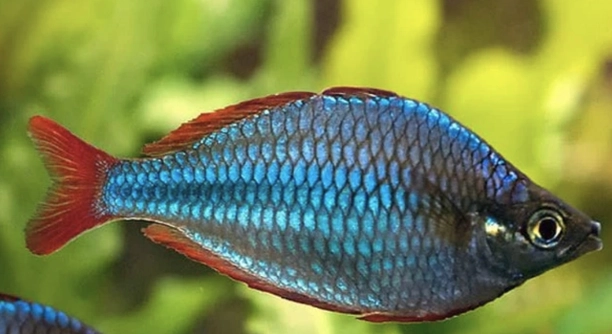
Stress is a common issue that can affect rainbow fish in their aquarium environment. This can lead to health problems and behavioral issues. Understanding how to reduce stress in your fish is essential for their well-being and happiness.
To reduce stress in rainbow fish, maintain stable water conditions, provide hiding spots, avoid sudden changes in their environment, limit aggressive tank mates, ensure proper feeding, reduce tank light intensity, and allow adequate space for swimming.
By following these simple methods, you can help ensure a peaceful and healthy environment for your rainbow fish. Keep reading to find out how these strategies contribute to stress reduction.
Stable Water Conditions
Rainbow fish are sensitive to changes in water quality, making stable conditions essential for their comfort. Sudden fluctuations in temperature, pH, or salinity can cause stress. Ensure the water remains within the optimal range for rainbow fish: temperature between 74°F to 80°F, pH around 6.8 to 7.8, and soft to moderate hardness. Regular water changes help maintain these conditions and reduce the risk of pollutants building up. A reliable filtration system is also important to keep the water clean and oxygenated.
By monitoring the water regularly, you can spot problems before they become severe. Invest in a good thermometer and water testing kits to ensure accurate readings.
Making water maintenance a regular part of your routine can save your fish from unnecessary stress and help them thrive. A stable environment not only keeps them healthy but also improves their colors and behavior.
Hiding Spots and Tank Setup
Creating hiding spots is an easy way to reduce stress in your rainbow fish.
Add plants, rocks, and caves to your aquarium to give your fish places to retreat when feeling threatened or overwhelmed. These hiding spots allow them to feel secure and safe, preventing excessive stress.
Avoid Sudden Environmental Changes
Rainbow fish are sensitive to sudden changes in their environment. Quick shifts in temperature, water chemistry, or even lighting can cause them stress. Keep the aquarium’s conditions stable by avoiding drastic water changes or sudden rearranging of tank decor. Gradual changes, when necessary, will help your fish adjust without feeling overwhelmed.
Consider using a heater with a thermostat to maintain consistent water temperature and invest in a reliable water filter. Monitoring the water regularly helps ensure it remains in the right range and prevents problems that could stress your fish.
Keeping the environment consistent will also allow rainbow fish to flourish and exhibit their vibrant colors. They feel more secure in a stable tank, reducing the chances of stress-related illness or aggression toward other fish. It’s a simple way to promote a healthier, happier aquarium.
Limit Aggressive Tank Mates
Rainbow fish thrive in peaceful tanks with non-aggressive tank mates.
Choosing fish that are calm and social will help prevent stress from constant chasing or territorial disputes. Avoid aggressive species that could harm or intimidate your rainbow fish. Fish like tetras, guppies, or peaceful barbs are often ideal companions for rainbow fish, ensuring a harmonious aquarium environment.
Proper Feeding
Rainbow fish need a balanced diet to stay healthy and reduce stress. Feed them small amounts of high-quality flakes or pellets once or twice a day. Avoid overfeeding, as excess food can pollute the water and cause stress to your fish.
Make sure to provide a variety of foods, such as live or frozen options like brine shrimp, to keep them nourished and satisfied. Too much food left in the tank also leads to bacterial growth, which could harm the fish.
Maintaining a proper feeding routine ensures your fish get the nutrients they need without causing water quality issues. This helps them feel more at ease in their environment and reduces stress factors.
Light Intensity
Rainbow fish prefer softer lighting, as harsh light can cause stress.
Provide lighting that mimics their natural environment, such as LED lights with adjustable intensity.
FAQ
What are the signs that my rainbow fish are stressed?
Rainbow fish show signs of stress in various ways. Common indicators include erratic swimming, hiding more than usual, fading colors, loss of appetite, or showing aggression toward tank mates. If your fish are frequently staying near the surface or appear lethargic, it might be a sign of stress. Additionally, you may notice them rubbing against objects in the tank or darting quickly from side to side. Keeping an eye on their behavior will help you catch stress early.
How can I reduce stress for my rainbow fish without changing the tank setup?
Even without changing the tank setup, you can still reduce stress by focusing on their feeding schedule and water quality. Avoid overfeeding, as uneaten food can lead to poor water quality. Performing regular water changes and maintaining stable temperature conditions are essential. If you notice aggressive behavior, consider removing or adding peaceful tank mates. You can also add plants or decorations that provide hiding spots, as this can help your fish feel more secure without having to change the whole setup.
Can water temperature affect my rainbow fish’s stress levels?
Yes, water temperature plays a significant role in the health of rainbow fish. If the water is too cold or too hot, it can cause stress and even lead to illness. Rainbow fish prefer a temperature range between 74°F and 80°F. Keeping the water at a consistent temperature within this range will help reduce stress. Sudden shifts in temperature can cause shock, so it’s essential to use a reliable aquarium heater and thermometer.
Do rainbow fish need tank mates to avoid stress?
Rainbow fish are generally peaceful and social, so they do better with other non-aggressive tank mates. Being alone for extended periods can lead to stress due to loneliness and lack of stimulation. Choose peaceful species like tetras or guppies to ensure a harmonious environment. However, overcrowding or adding aggressive fish can cause tension and stress, so balance is key.
Is it okay to have too many plants in my tank for rainbow fish?
Having plenty of plants in the tank can actually help reduce stress for rainbow fish. Plants provide hiding spots, which can make your fish feel more secure. However, it’s important to maintain balance. Too many plants can make the tank feel cramped, limiting swimming space and reducing oxygen levels. It’s best to have a good mix of plants and open swimming areas, so your rainbow fish have the option to explore.
How often should I clean the tank to reduce stress?
Regular cleaning is essential for maintaining a stress-free environment for your rainbow fish. Aim for partial water changes of 25-30% every one to two weeks. Remove debris and uneaten food, and clean the filter every few weeks to maintain optimal water quality. Over-cleaning, however, can disturb the fish and their environment, so be careful not to disrupt their setup too much.
Are rainbow fish sensitive to bright aquarium lights?
Yes, rainbow fish can be sensitive to bright or harsh lighting. In the wild, they live in environments with more diffuse light, so intense lighting can cause stress. It’s best to use low-intensity LED lights and provide dark periods for rest. If you notice your fish hiding more than usual or becoming agitated, consider adjusting the light intensity or duration.
Can I use a filtration system to help reduce stress in my rainbow fish tank?
A good filtration system is crucial for reducing stress in rainbow fish. It keeps the water clean and oxygenated, which is essential for their health. However, ensure the filter isn’t too strong, as strong currents can stress out your fish. A filter with adjustable flow settings is ideal, as it will allow you to customize the water movement to suit the needs of your rainbow fish.
What should I do if my rainbow fish are being aggressive towards each other?
Aggression among rainbow fish can sometimes occur, especially if there are too many males or they feel their space is threatened. To reduce aggression, consider adding more hiding spots in the tank, rearranging decorations, or introducing more females to balance the male-to-female ratio. If aggression continues, you may need to separate the most aggressive fish into a different tank.
How do I know if my rainbow fish are healthy or stressed?
Healthy rainbow fish are active, vibrant in color, and have a good appetite. They swim gracefully and interact with other tank mates. Stressed fish, on the other hand, might show faded colors, swim erratically, or hide excessively. Monitoring their behavior regularly and watching for any sudden changes can help you identify stress early.
What should I do if my rainbow fish are not eating?
If your rainbow fish aren’t eating, it may indicate stress or an underlying health issue. Check the water parameters and ensure they are within the proper range. Overfeeding or offering the wrong food could also affect their appetite. Try offering different food types, including live or frozen options, to entice them. If the issue persists, consider consulting an aquarium professional.
Final Thoughts
Reducing stress in your rainbow fish is crucial for their health and well-being. By creating a stable environment with proper water conditions, appropriate tank mates, and providing places for your fish to hide, you can ensure they feel secure. Stress can lead to health problems and poor behavior, so it’s important to address any issues as soon as they arise. Regular maintenance, such as water changes and monitoring water temperature, is key to keeping your fish in top shape.
While it may take time to see results, consistency is essential when reducing stress. Pay attention to your fish’s behavior and make small adjustments when needed. For example, adjusting the lighting, providing varied food options, or rearranging tank decor can help make them feel more comfortable. You don’t need to make drastic changes all at once. Gradual improvements will create a more peaceful environment for your rainbow fish. Healthy, happy fish are more likely to thrive and show off their beautiful colors when they’re not under stress.
Taking the time to understand your rainbow fish’s needs and recognizing stress signs can go a long way in improving their quality of life. By staying observant and proactive, you’ll create a comfortable and enjoyable space for your fish. In the end, reducing stress not only benefits your fish’s health but also enhances the overall beauty and harmony of your aquarium. When your rainbow fish feel safe, you’ll be able to enjoy their vibrant colors and playful behaviors for years to come.

Hello,
If you enjoy the content that we create, please consider saying a "Thank You!" by leaving a tip.
Every little bit helps us continue crafting quality advice that supports the health, happiness, and well-being of pets around the world, for pets of all shapes, sizes, and species.
We really appreciate the kindness and support that you show us!